

The second and last keynote of day 2 for Computex comes from Intel. And, with close-rival AMD not presenting at this year’s show, Intel is the sole x86 vendor holding a keynote this year.
As with the other keynote addresses at this year’s show, Intel’s main focus will be AI, with CEO Lip-Bu Tan delivering a keynote titled “The Next Era of AI.” Among other things, Tan will be discussing Intel’s vision for what they term the “Intelligence Era” and what it means to engineer AI across the client, edge, and data center markets.
Intel Computex 2026 Preview
After skipping Computex 2025 and leaving AMD as the sole x86 vendor keynoting at the show, for 2026 Intel and AMD have switched places. This year AMD is sitting things out while Intel is presenting a keynote.
As with all of the other keynotes at this year’s show, the main theme of Intel’s presentation is going to be AI. This is something of a sore spot for Intel – or at least, Intel’s investors – as the company has largely missed out on the explosion in demand for GPUs to power AI data center. More recently, though, the company has been benefitting from the emergence of agentic AI systems, which has driven up demand for data center CPUs to orchestrate these agents and actually carry out the workloads they generate.
Intel’s keynote will be a bit more unusual in that the company did not hold back its major data center hardware announcements for the keynote, opting to release those at the start of the show. This included the launch of Intel’s E835 Ethernet controller, the launch of Intel’s many-core 18A-fabbed Xeon 6+ CPU (Clearwater Forest), and confirming that the next-generation big-core Xeon silicon, Diamond Rapids, will not be released until 2027. As well, the company has also already previewed its forthcoming data center GPU, Crescent Island, which will be based on Intel’s Xe3P architecture, backed by LPDDR5X memory, and will be shipping in a 350 Watt PCIe card form factor.
Consequently, we are not expecting Intel’s keynote to feature much in the way of hardware or roadmap reveals. Which is not to say that the company will not tease something like Jaguar Shores, its upcoming high-end data center AI accelerator, but Intel has already largely presented/disclosed its Computex 2026 data center hardware. Meanwhile on the consumer side of matters, Intel has previously launched its complete Panther Lake (and Wildcat Lake) stack for mobile, and announced its Arc G3 products for gaming handhelds. Though being that it’s Computex, we can’t rule out that Intel will quickly promote some of the devices partners have made using these chips.
With that in mind, Tan’s keynote is set to focus on how Intel is a heavily diversified company with a broad reach into the data center, client, and edge markets, giving them a breadth of reach that most other companies lack – and how that presents them with an advantage. In other words, it is likely to be more of a visionary keynote than a product keynote.
The Intel keynote is scheduled to run for 60 minutes, and will kick off at 10:30pm PT/01:30am ET/01:30om CST/05:30 UTC.
Intel Computex 2026 Keynote Coverage Live
We’re just two minutes from showtime for the Intel keynote. People are taking their seats, and according to Patrick, the venue is “PACKED.”
Intel is the largest PC CPU vendor by volume, so the company (still) carries a lot of weight in Taiwan.
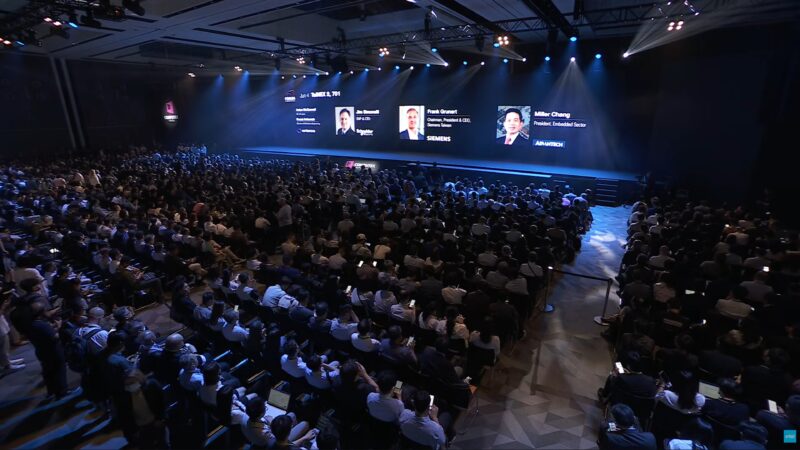
And here we go. Intel is starting things off by rolling an intro video about silicon being the heart of modern technology.
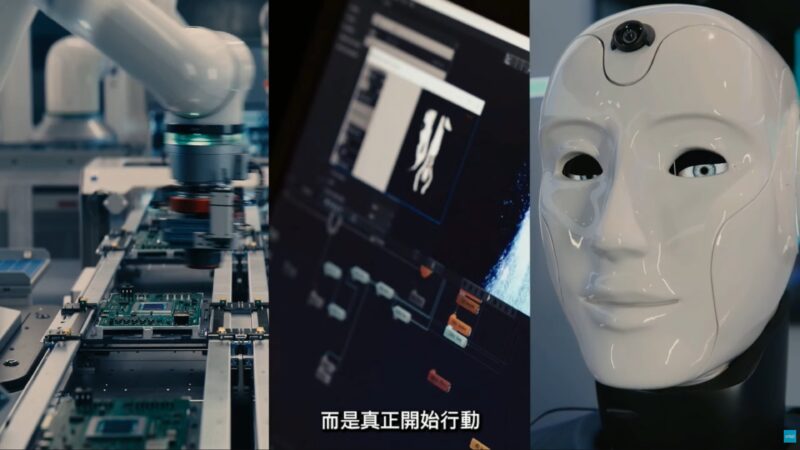
As well as the importance of ecosystems (a very partner-centric message).
Here’s Lip-Bu Tan.
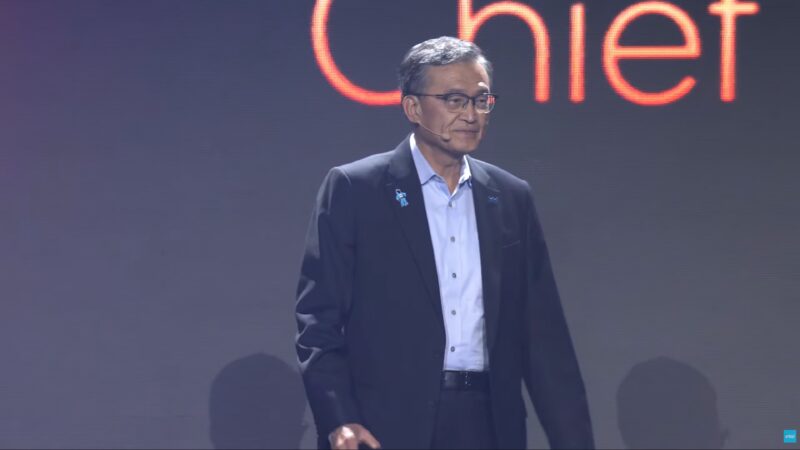
Apparently Tan went on a bit of a hike for some local sight-seeing earlier. So he’s a bit sore.
Intel and the other major players in the Silicon Valley were started nearly six decades ago.
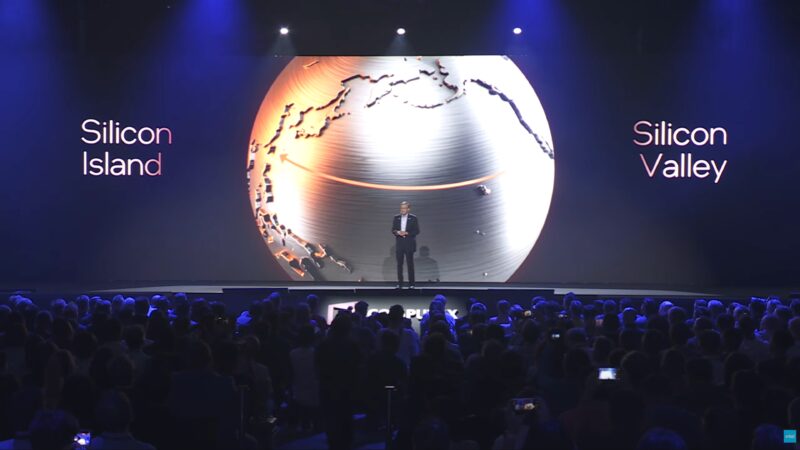
Meanwhile Tan has a vision of Taiwan becoming Silicon Island.
And Tan is continuing to talk about the history of tech investment and venture funds in Taiwan. Tan is excited to be a part of all of this.
Taiwan plays a critical role in the PC ecosystem. OEMs, ODMs, partners, parts suppliers, and more are all there. And Tan is taking a moment to thank all the local partners.
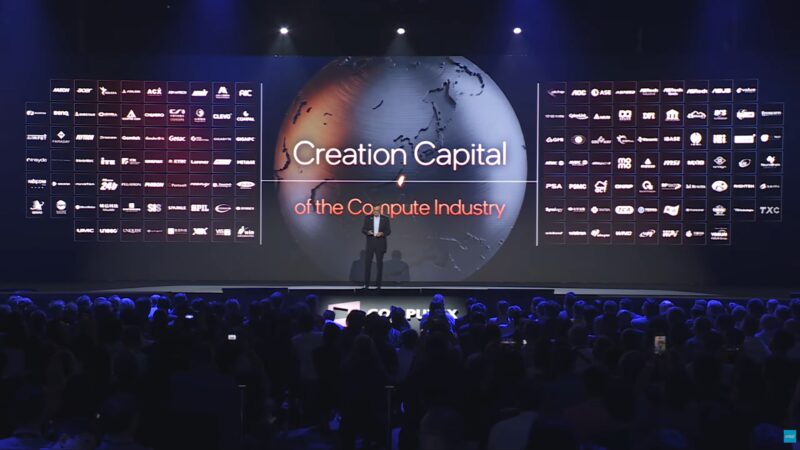
Tan is also reflecting on the fact that he is the first Intel CEO that can speak Mandarin. So he considers himself part of the Taiwanese community.
At its heart, Intel is an engineering company. All the engineering groups report to Tan.
“We are just getting started. Stay tuned, we have a journey ahead of us.”
Every year Intel ships hundreds of millions of SoCs/CPUs.
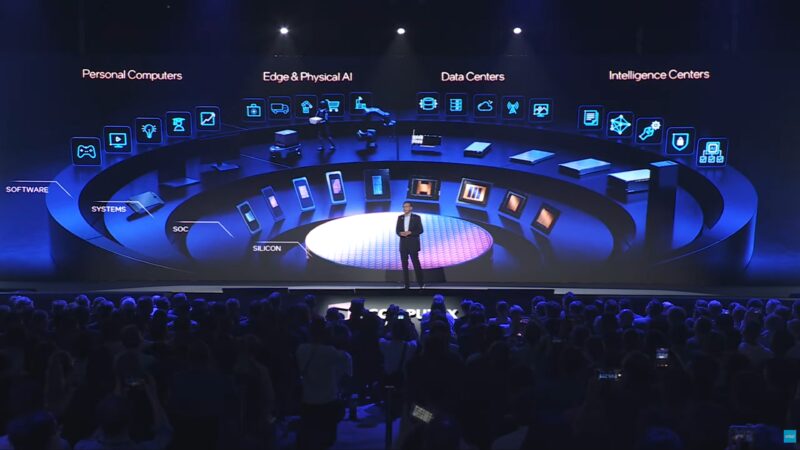
This is spread across four market segments: PCs, edge & robotics (physical AI), data center, and emerging intelligence centers (e.g. AI).
And for each market they develop chips to meet the needs of each of those ecosystems.
First up is a talk on PCs.
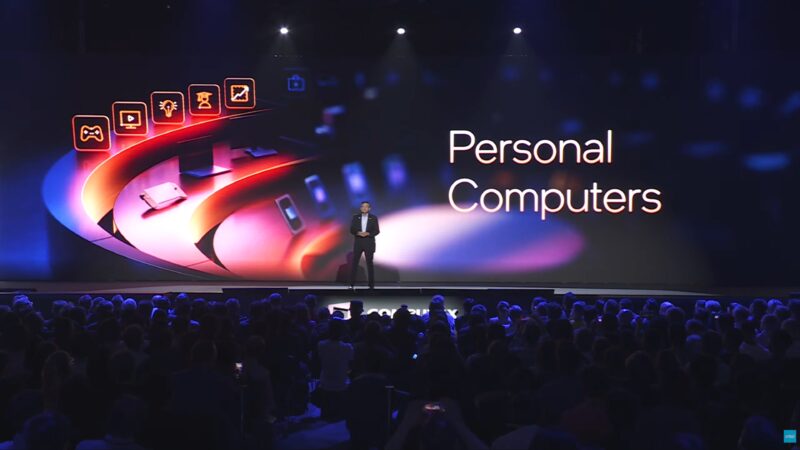
Now on stage, Intel’s Alex
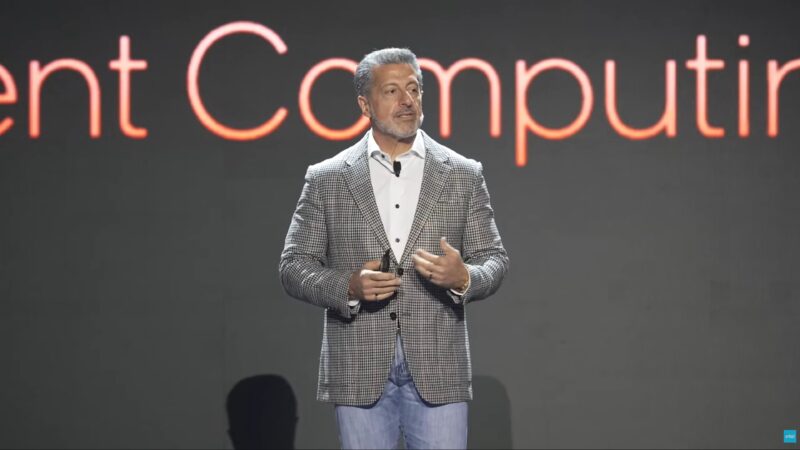
“I can’t wait to plan and build a future with you guys.”
Intel has accelerated its pace across all PC segments.
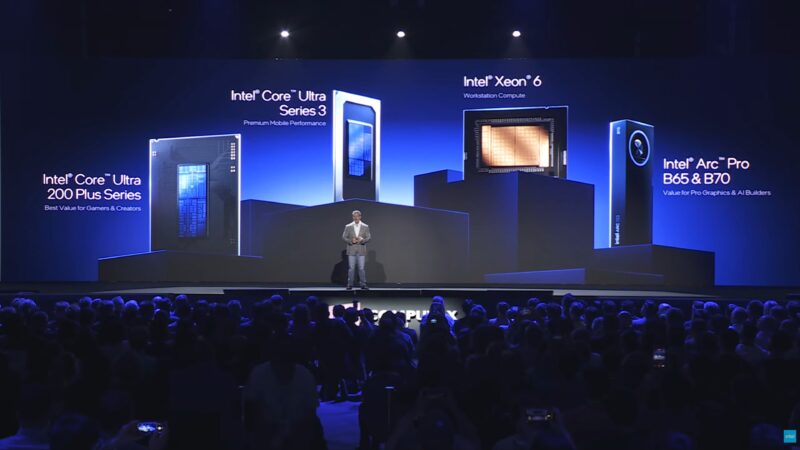
Every segment is driven by an Intel solution.
Adding to that, the Intel 18A process is now at full scale.
Alex is recapping the Core Ultra Series 3’s features.
Ultra Series 3 is helping Intel transform every PC to an agentic AI platform. And with over 300 designs to date.
And this was recently joined by the non-ultra Series 3, Wildcat Lake. Which is already at over 70 designs in just a few months.
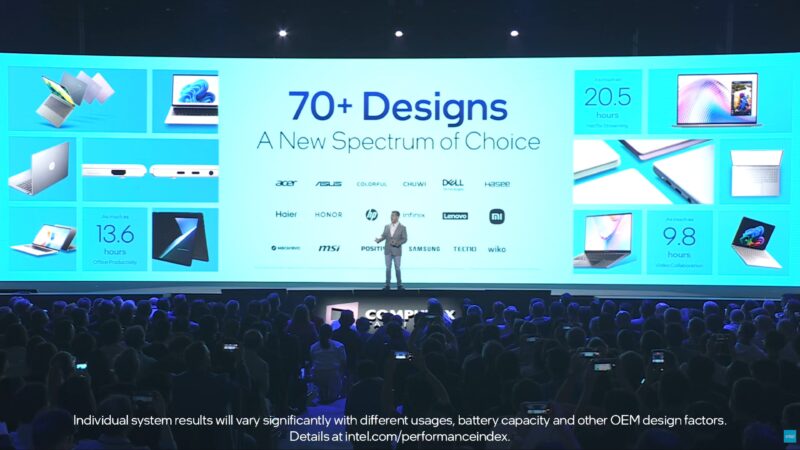
Katouzian says that Intel is delivering laptop battery life longer than the work day.
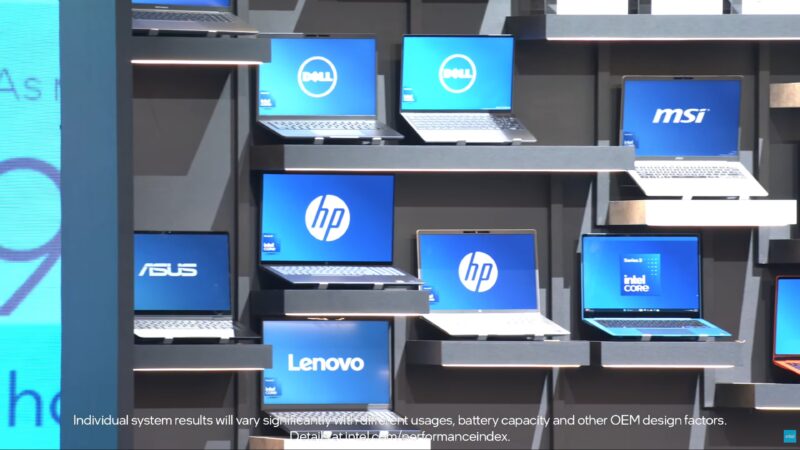
Next up is scaling the 18A process into growing markets.
Now rolling a promo video on Intel’s Arc G3 chips for handheld gaming, which were announced last week. These are new SKUs based on Panther Lake silicon.
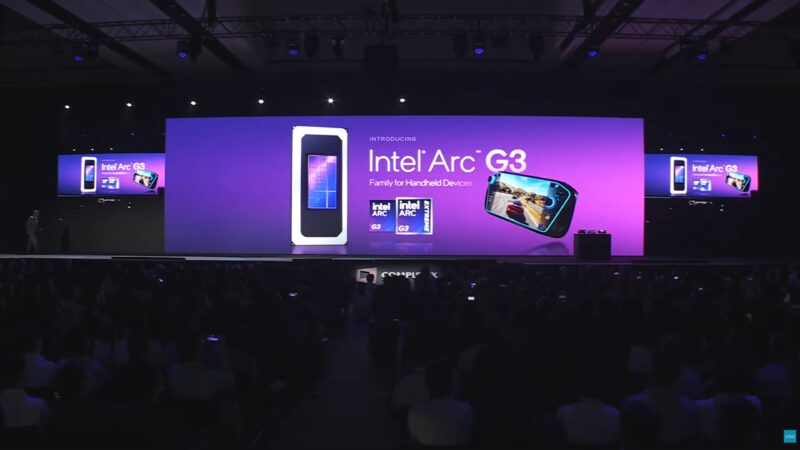
The chip is tuned for gaming and according to Intel is providing great battery life.
As well as running most AAA games at 1080p, with many over 100fps.
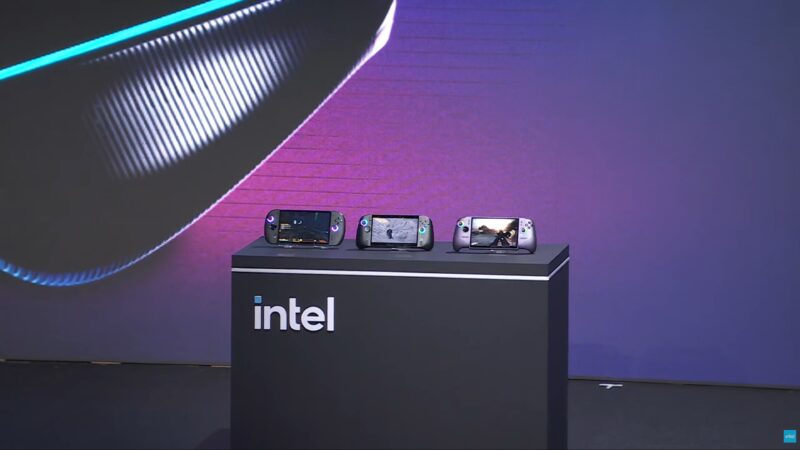
This same silicon is also being used in the edge and physical AI markets.
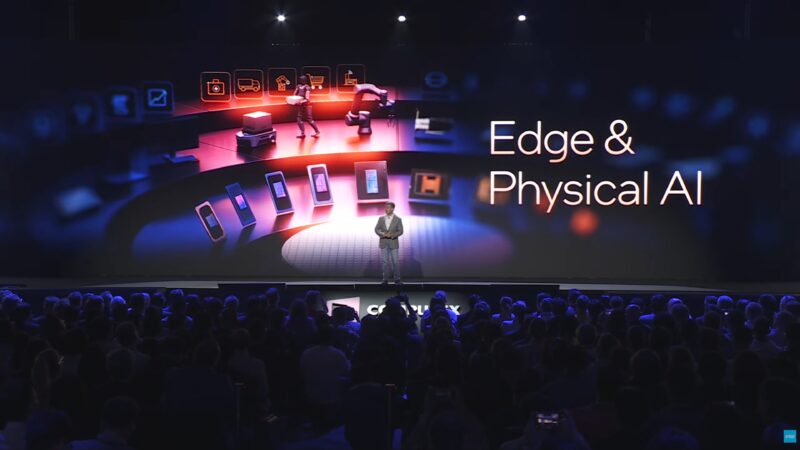
Intel recently announced its Core Series 3 Ultra SKUs for the edge market.
Intel has over 4000 edge ecosystem partners.
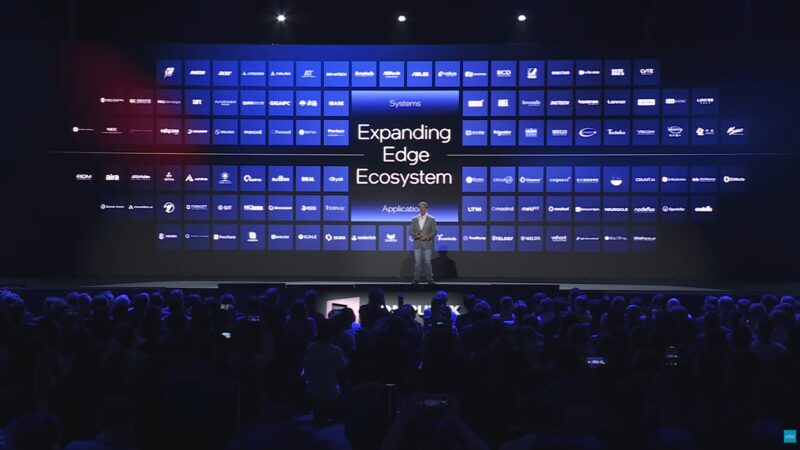
Meanwhile there is also the growing field of robotics/physical AI. Which will leverage all of Intel’s scale in the PC ecosystem.
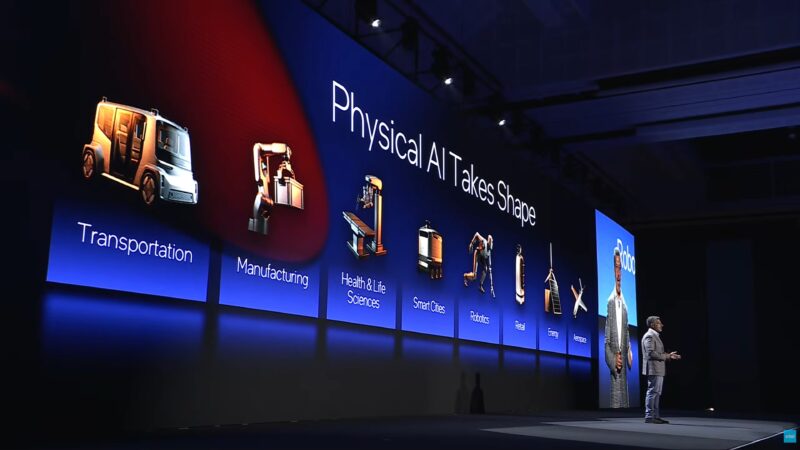
Intel will support the market not only with powerful chips, but also reference platforms and other things that the local OEMs and other customers need to build their products.
And that’s PCs.
Now back to Lip-Bu Tan to talk about AI.
And joining him on stage is Aravind Srinivas of Perplexity.
Talking about running smaller models on the Core Ultra Series 3 GPU.
What they are showing today is just the start. Hybrid executing, across both the cloud and local hardware, is how they maximize tokens per user.
Now it’s demo time. Working on confidential materials with an AI chatbot.
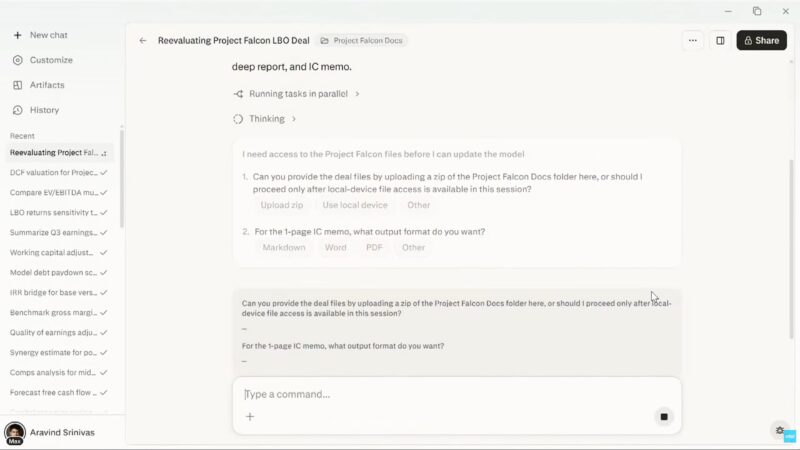
The local model flags what is sensitive and what is not, so that only non-sensitive materials are sent to the cloud AI service.
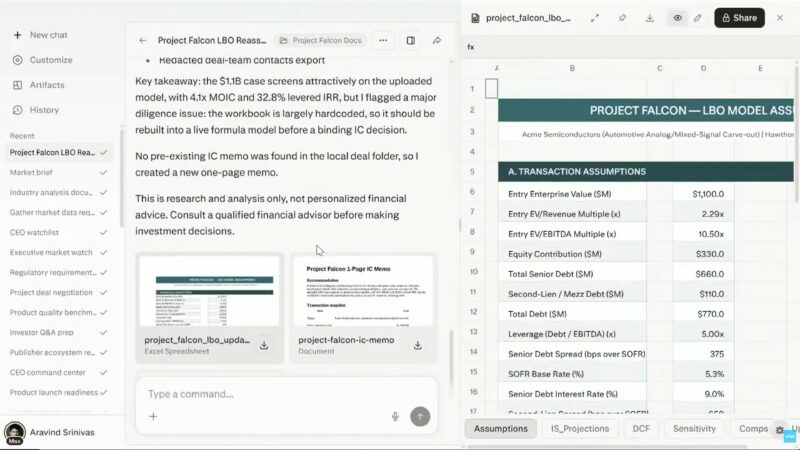
Local device models took care of sensitive materials. While cloud processing took care of the rest.
And that’s the Perplexity AI demo.
Now Tan is talking about foundational architectures. Starting with x86.
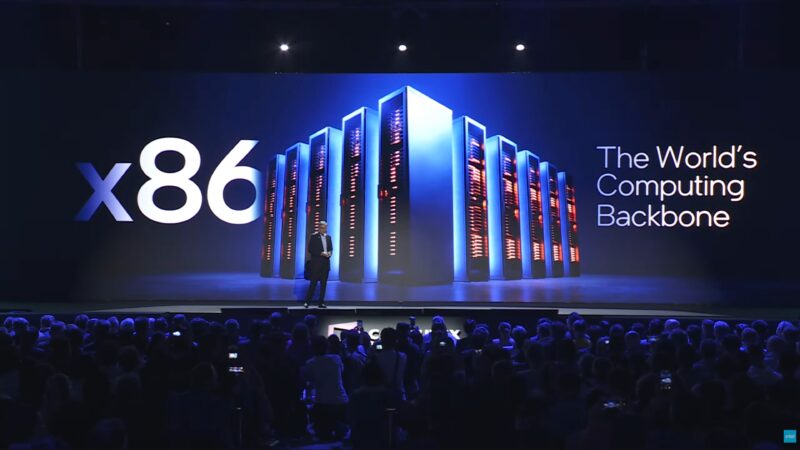
IDC expects more than 8 out of 10 servers to (still) be x86-based in 2030.
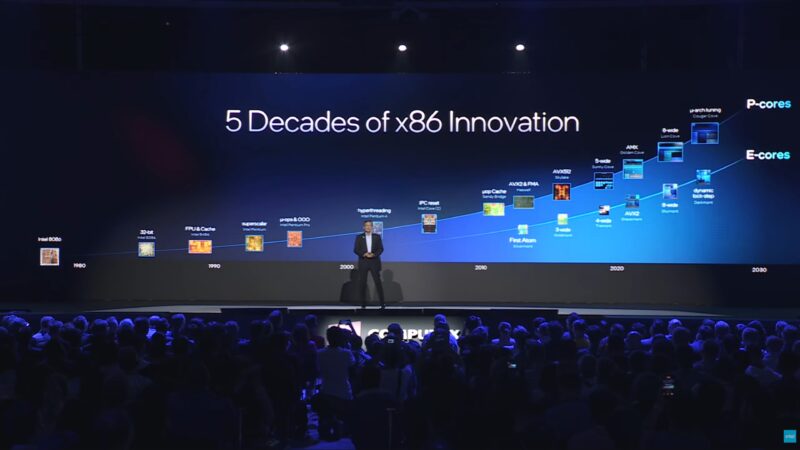
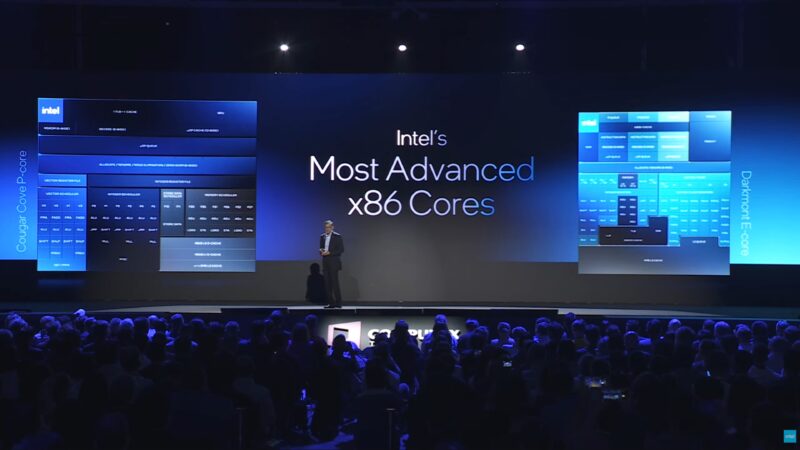
Today Intel has two flagship CPU core designs. Performance cores and Efficiency cores. They are Intel’s most advanced x86 cores.
These x86 cores power everything from PC and edge to data center and AI portfolio.
Tan is committed to building the best CPU cores in the world.
Moving on, here is Intel’s Kevork Kechichian from the company’s data center group.
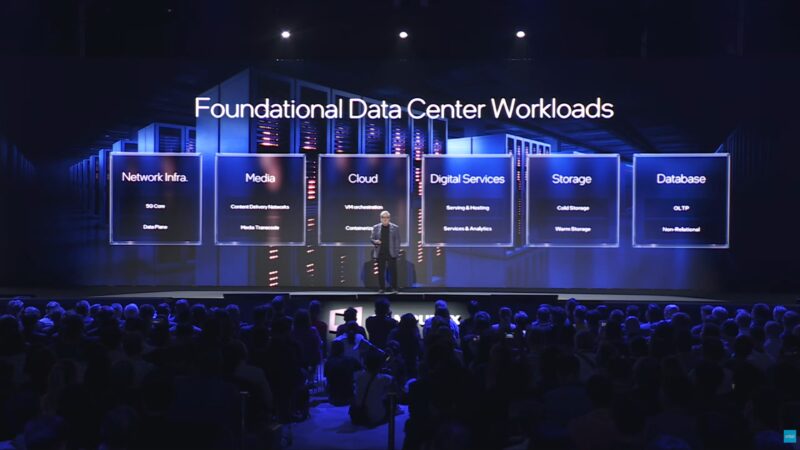
There are a great deal of foundational data center workloads that are running on Intel-based x86 servers.
Kechichian is now recapping the Xeon 6+, Clearwater Forest, which was launched at Computex yesterday.
288 CPU cores for efficiency and density.
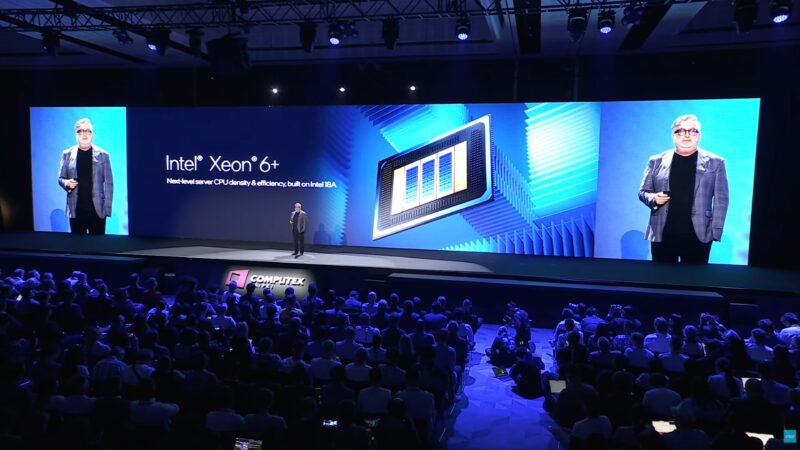
Xeon 6+ launches into Intel’s highly developed and honed ecosystem.
Xeon 6+ will be going into everything from individual servers to whole racks.
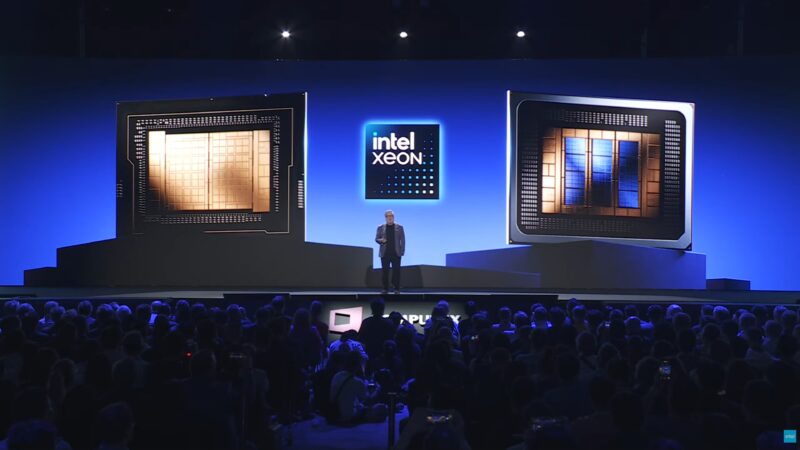
And will be joining Intel’s existing P-core Xeon, the Xeon 6 (Granite Rapids)
Kechichian is now switching gears to AI, or as Intel terms it: “Intelligence Center.”
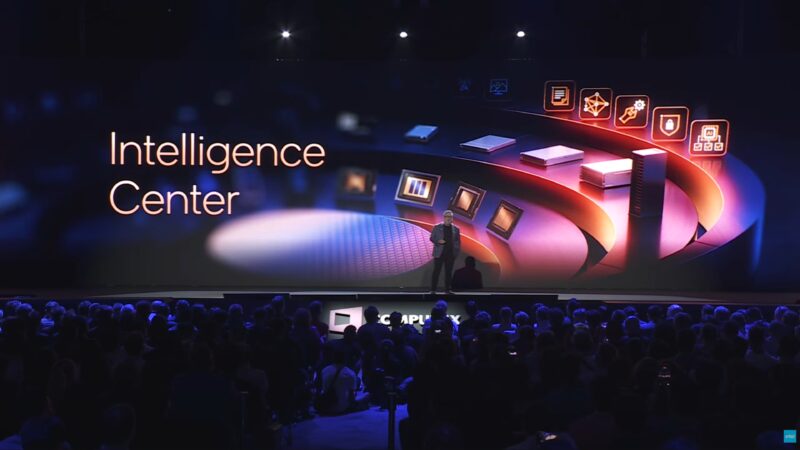
And this is where Intel and Xeon 6+ come in.
Up to now, the data center has been split into two between training and inference.
“The next wave is not just about training models, it is about putting AI to work.”
Currently a lot of time is spent processing the LLM, which is GPU-intensive.
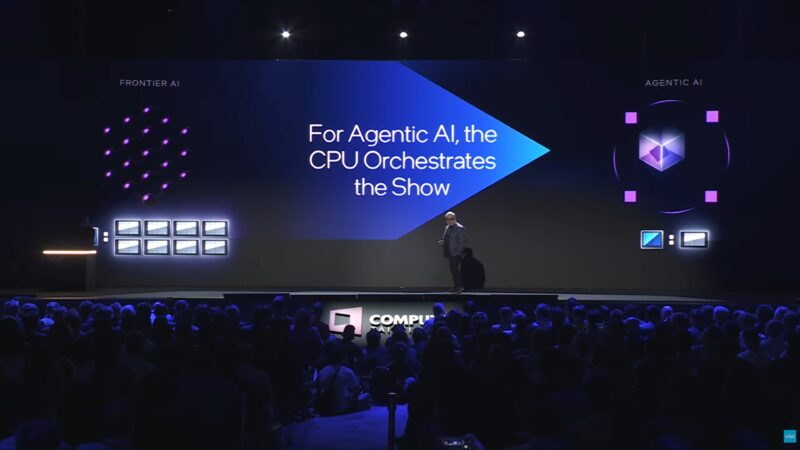
But agentic AI is more balanced. It’s not just leveraging the GPU, but needs plenty of CPU time as well.
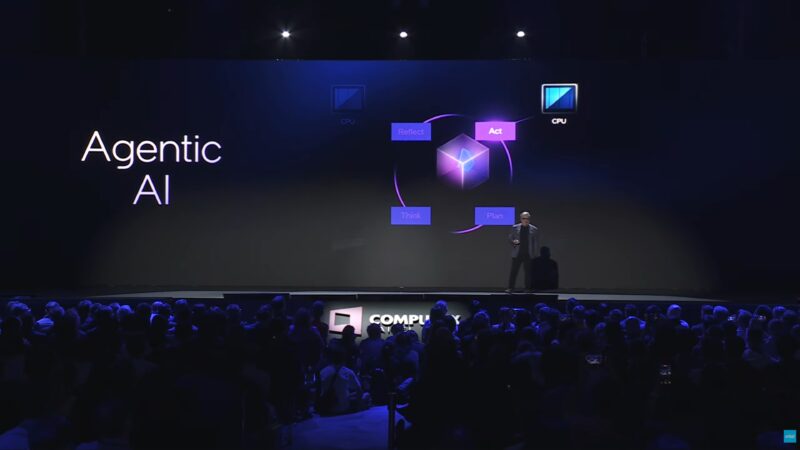
All of this has lead to a spike in demand for data center CPUs.
Demo time again. This time demoing the shift in compute demands for agentic AI.
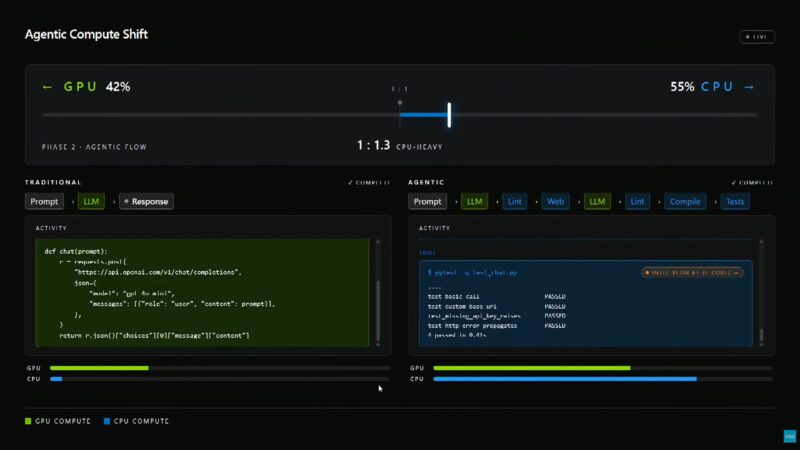
The agentic workload is heavier on CPU needs than GPU needs (though not massively so).
All of which makes the Xeon 6+ an extremely useful processor in Intel’s eyes.
One rack of Xeon 6+ CPUs can run up to 150 thousand agents.
Intel is working with its customers to make sure each chip is tailored to their needs.
Now back to Tan to talk about server and rack-scale solutions.
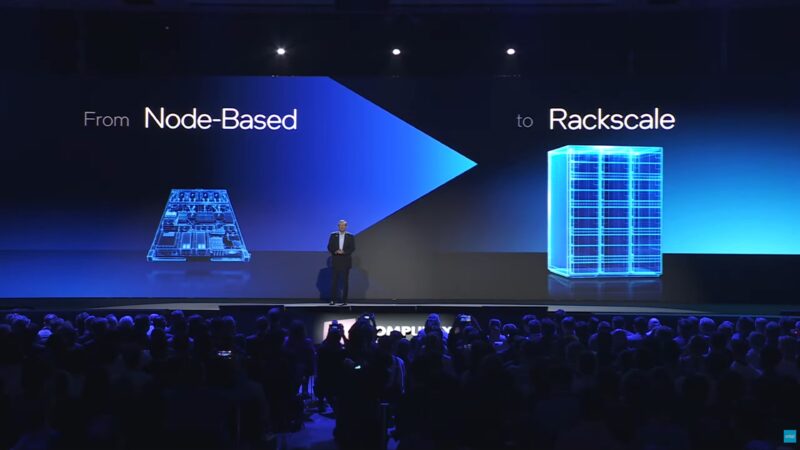
Customers are asking for system-level solutions.
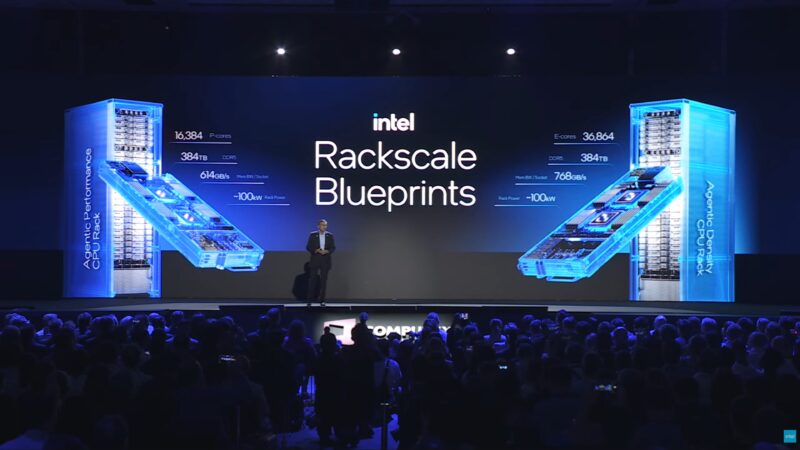
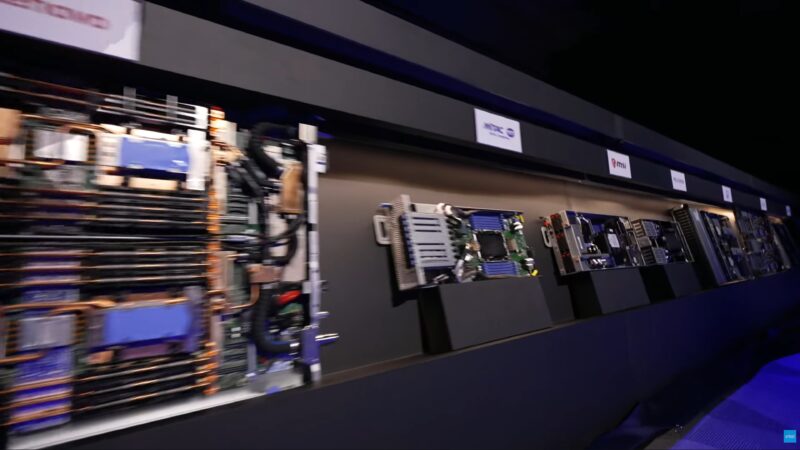
Intel has started a Rackscale Blueprints initiative to provide customers with designs to build those systems.
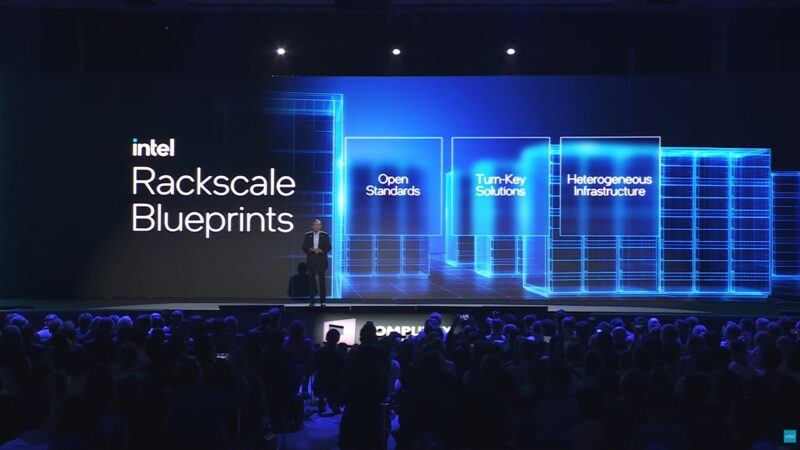
Tan is showing a couple of high-level examples of these blueprints.
Now joining Tan, Jerry Hsiao of Foxconn.
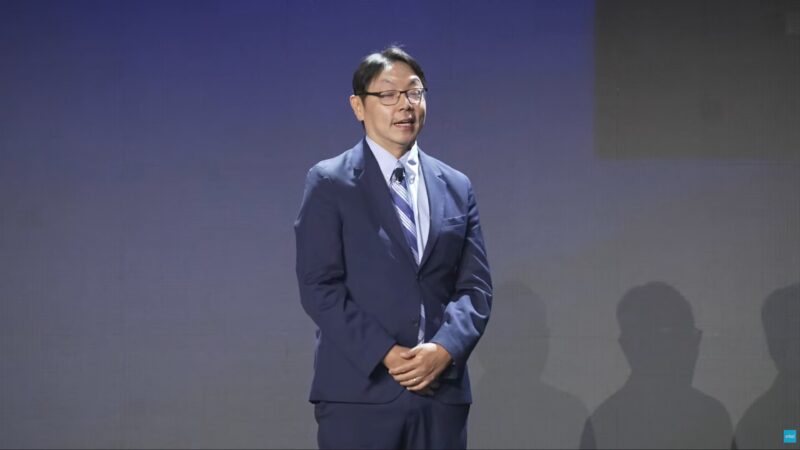
Foxconn is one of Intel’s most critical partners. The two have been working together for ages.
Today they are announcing the next stage of their partnership.
Intel and Foxconn will be working together to develop rackscale infrastructure solutions. This would seem to be Intel’s answer to NVIDIA and AMD’s rackscale initiatives.
This is largely to meet the needs of AI customers.
Tan is once again thanking the partners, this time for helping to bring the rackscale ecosystem to life.
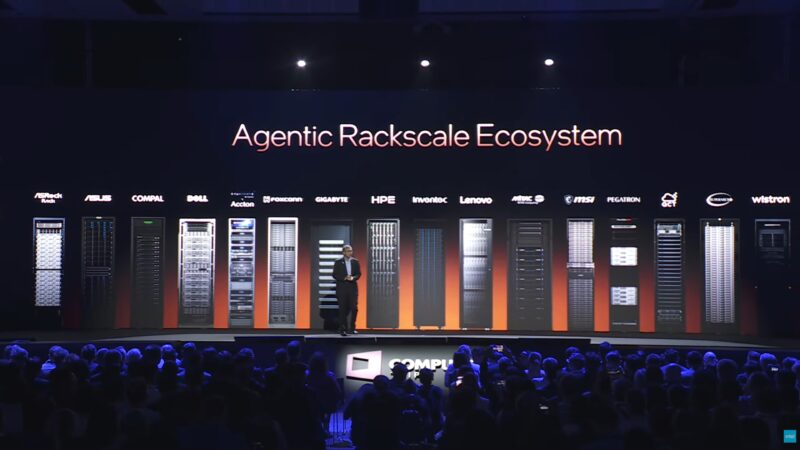
With that said, Intel does not believe in one-size-fits-all solutions. Hence custom solutions from their partners to meet the specific needs of each customer.
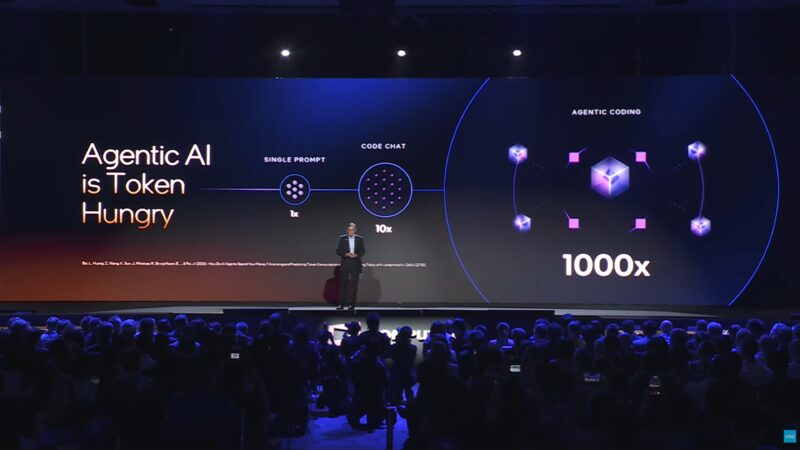
Tan is now diving even deeper into AI and token generation.
AI at scale will require heterogenous computing.
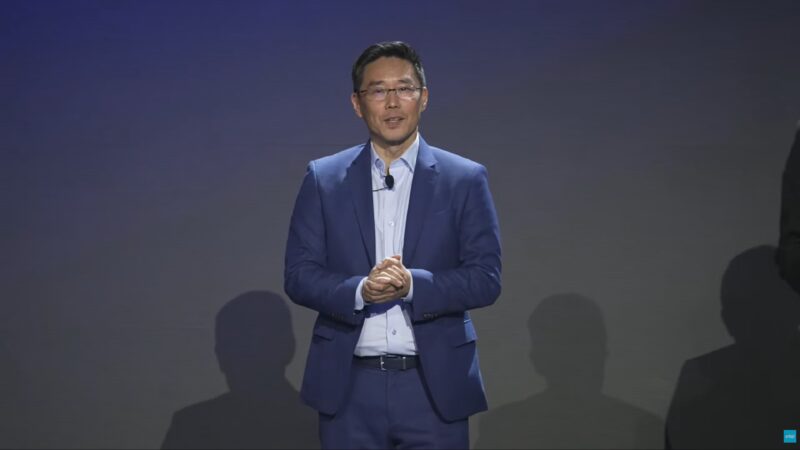
Now joining Tan on stage is Rodrigo Liang of SambaNova.
Intel has been working with SambaNova as part of their previously-announced long-term partnership.
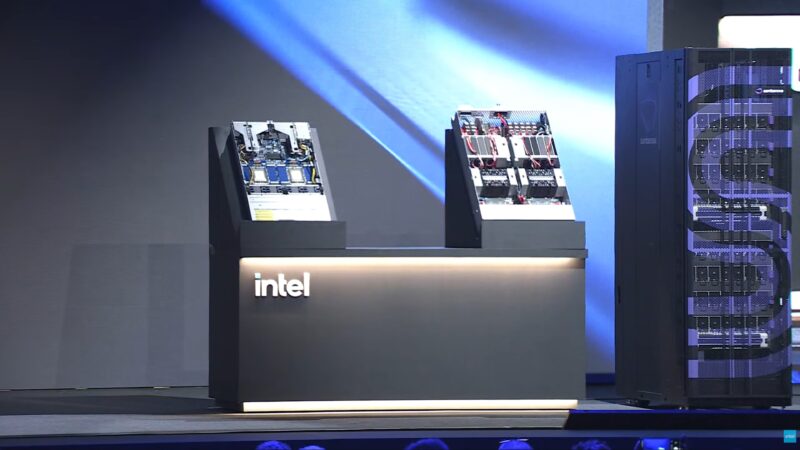
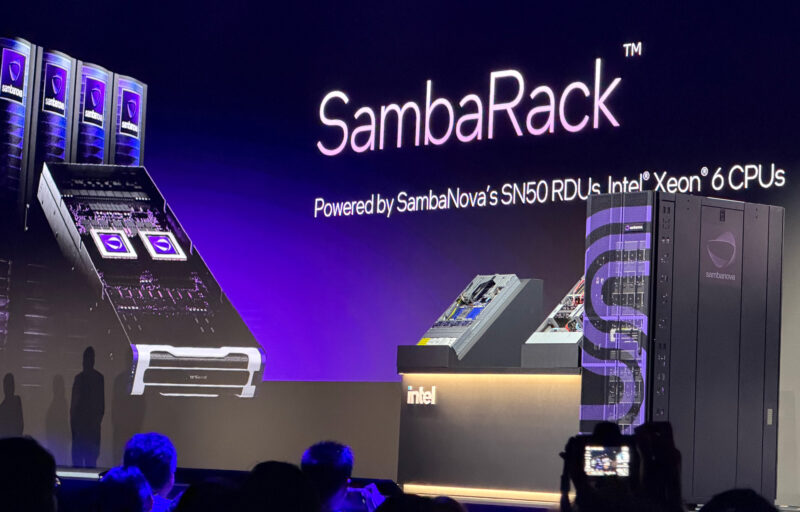
SambaNova SN-50 Rack: Intel Xeons + SambaNova’s SN-50 NPUs. Shipping later this year.
Demo time again. This time GPU-only system versus GPU + RDU + CPU – the disaggregated inference stack.
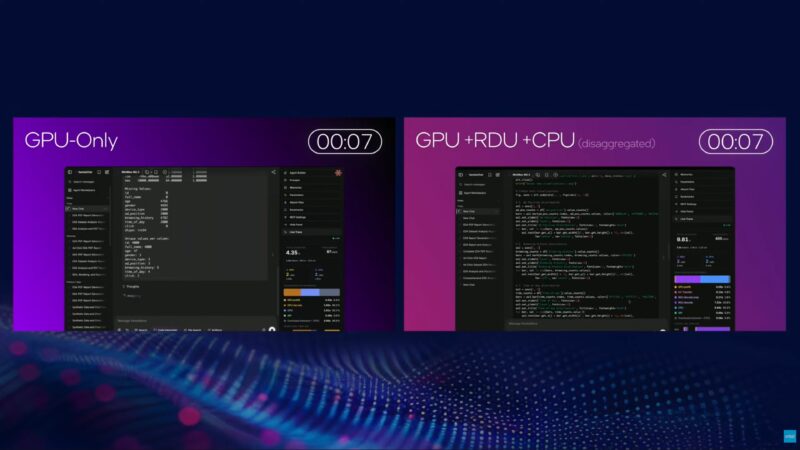
GPU: Prefill and prompt caching. RDU: Decoding and token generation. CPU: orchestration and tooling execution.
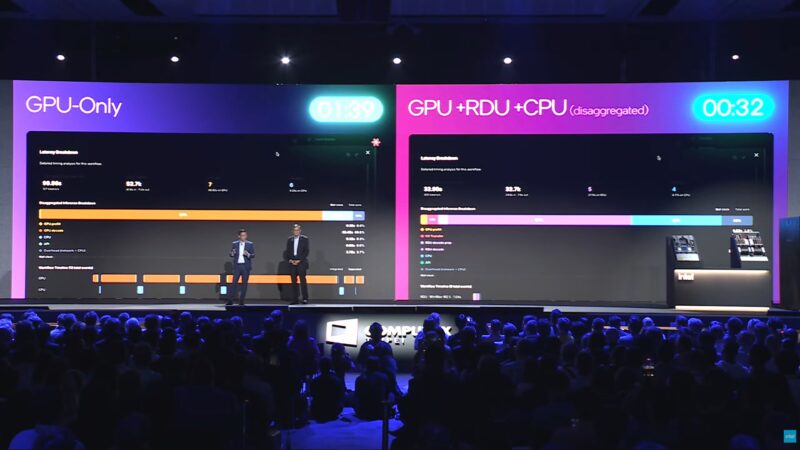
SambaNova found that disaggregated was 2-3x faster than GPU-only.
And that’s SambaNova.
Now for another partner to come up on stage. Robert Smith of Vista.
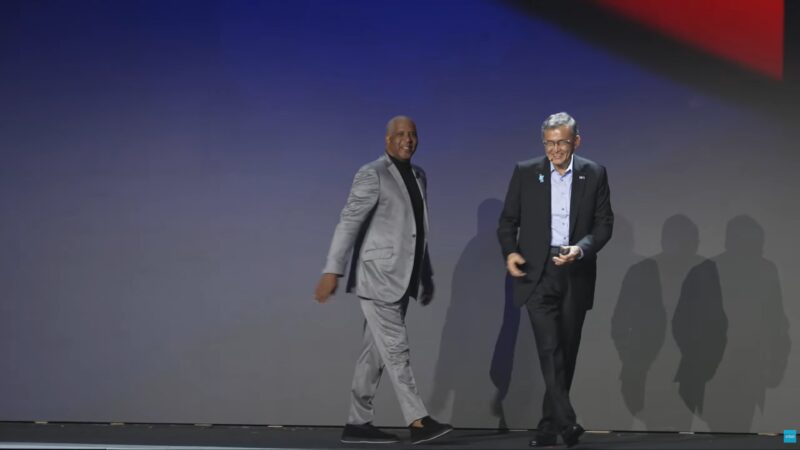
This is Vista Equity Partners, a software-focused private equity firm.
Vista has invested in something called Vector Core Compute, a cloud AI service, which is using a disaggregated setup for inference.
Vista expects many customers to migrate to disaggregated computing.
And that’s Vista.
“Picking the right silicon for your needs is critical.”
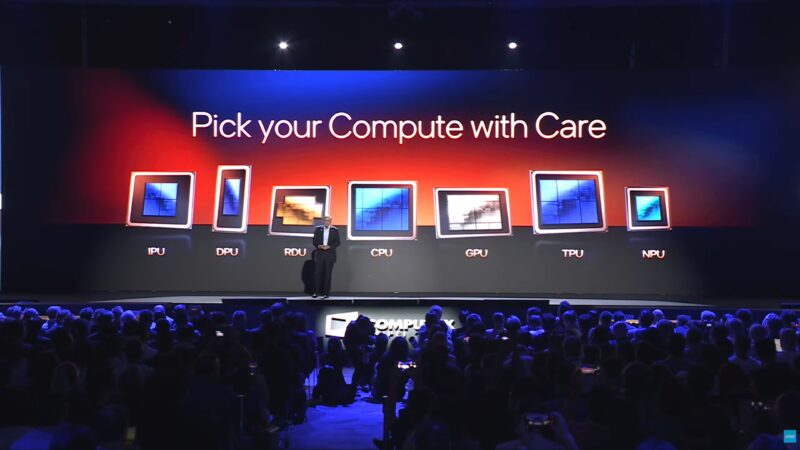
Next on stage: Intel’s Srinivasan Iyengar to talk about chip design.
Intel is delivering IPUs to Google as well as Ericsson.
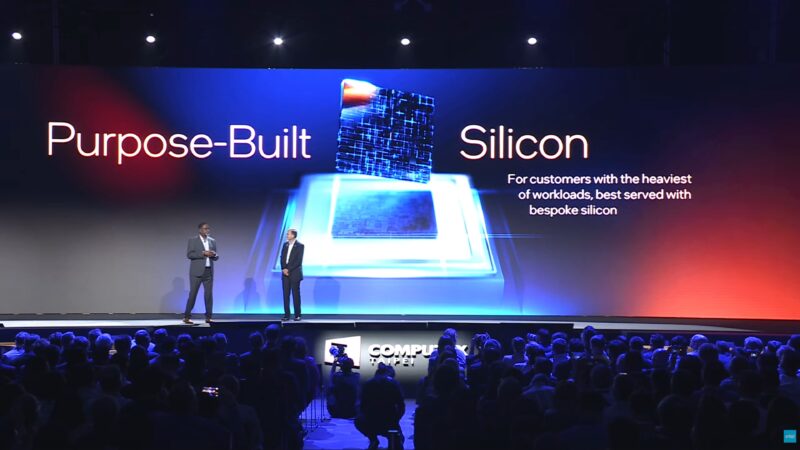
Intel sees this as a high-growth industry.
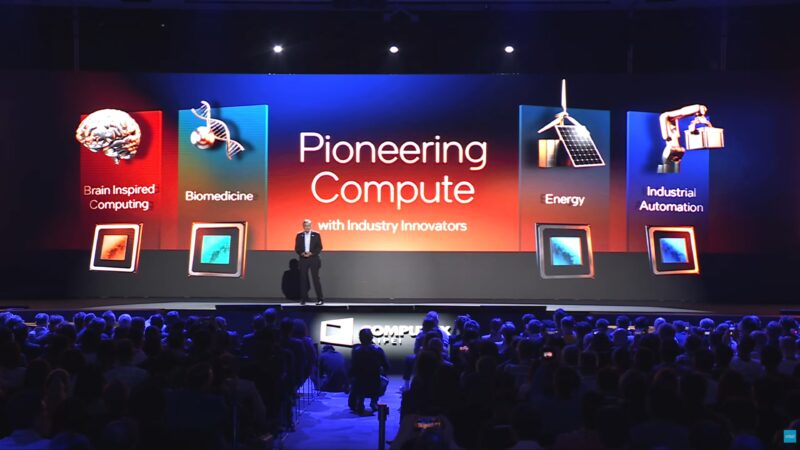
Intel has additional partnerships, which Tan is looking to quickly highlight.
Now rolling a video with Echo Neurotechnologies to talk about their partnership with Intel over neuromorphic computing.
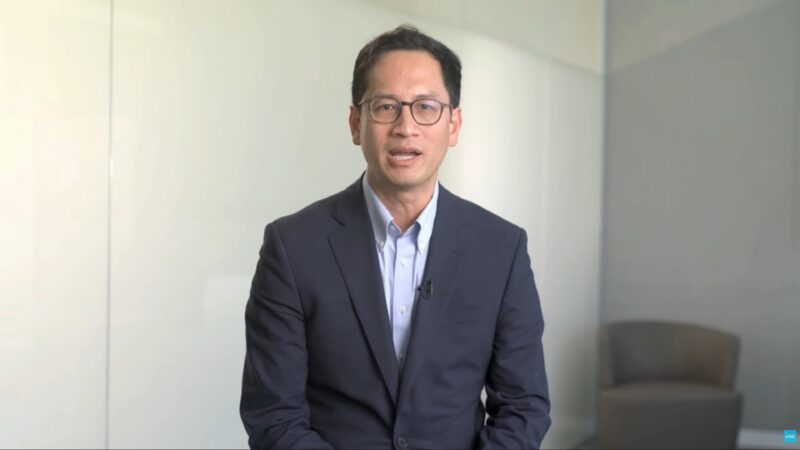
Echo can now study human speech brain activity in real time.
Together they are creating brain-trained speech algorithms that are closer to how humans think.
And another video, this time with Greenstone Biosciences.
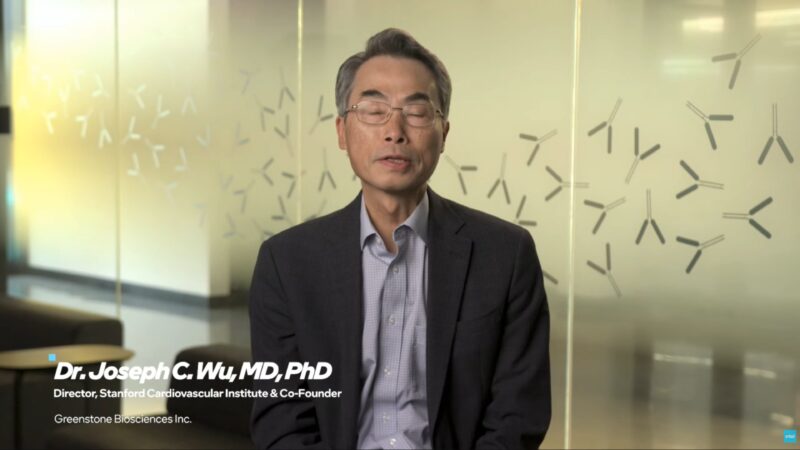
Greenstone is doing biology and medical work to speed up drug discovery.
The company can create almost any organ tissue from the stem cells in just 10cc of blood.
And a third video with Hitachi.
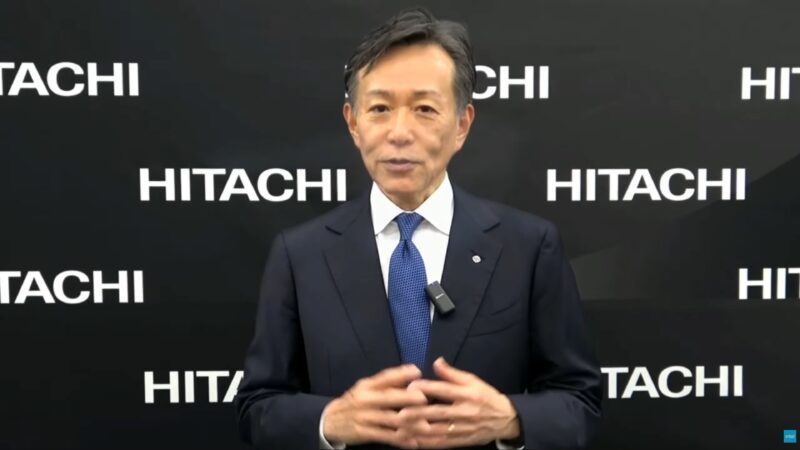
Hitachi is using Intel’s hardware for their foundry tools and quantum computing projects.
One more video: industrial automation with Siemens.

Intel and Siemens are expanding their partnership across the entire value chain. Using Siemens EDA tools to make chips, that will then go back into Siemens systems.
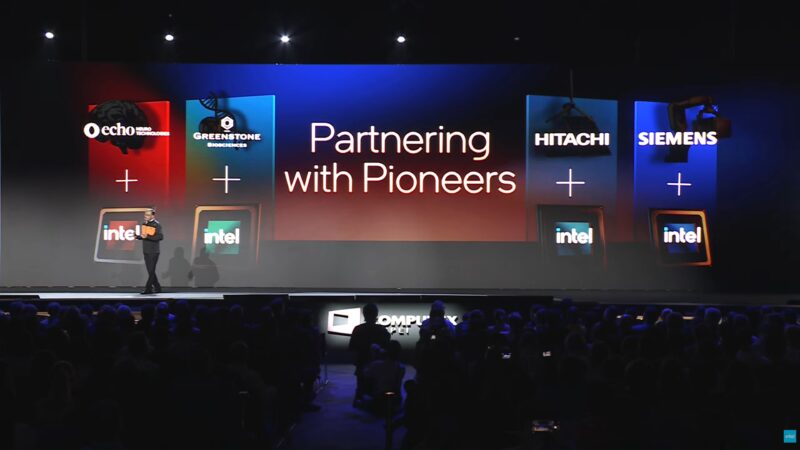
More information to come in the future.
And with that, Tan is now summarizing the keynote.
All of this is only made possible by Intel’s massive collection of partners and customers.
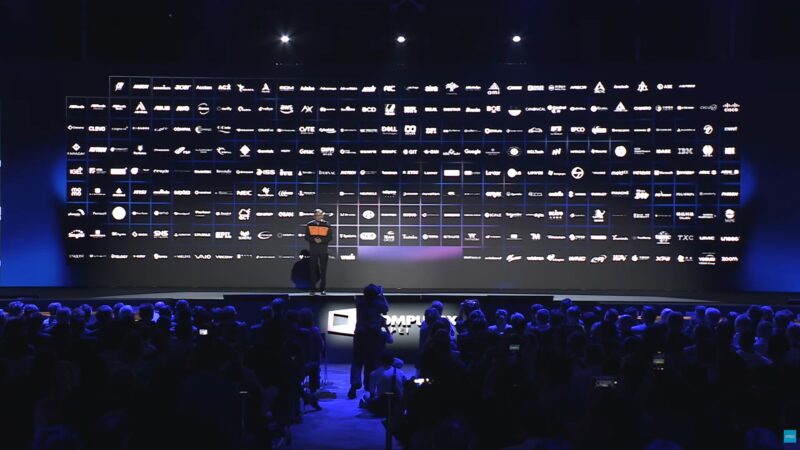
Tan has challenged Intel’s employees to build a new Intel. To not rest on their work in the past.
Intel is execution well on their advanced packing milestones. And they are making good progress on building their foundry business.
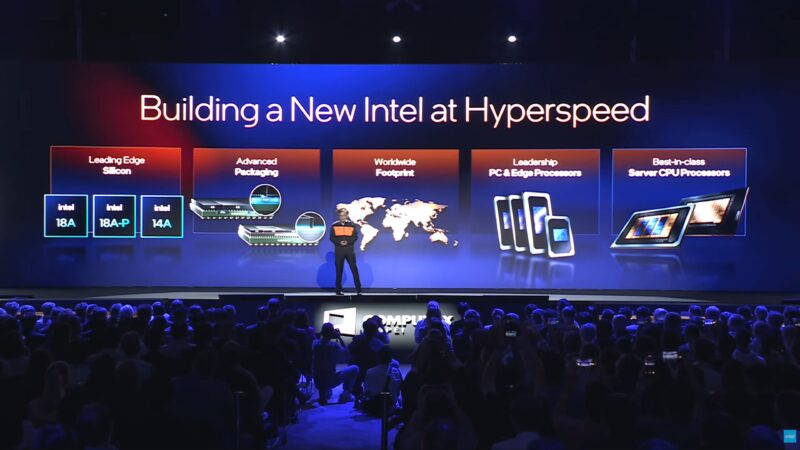
Intel is working at the forefront to reimagine computing for the AI era.
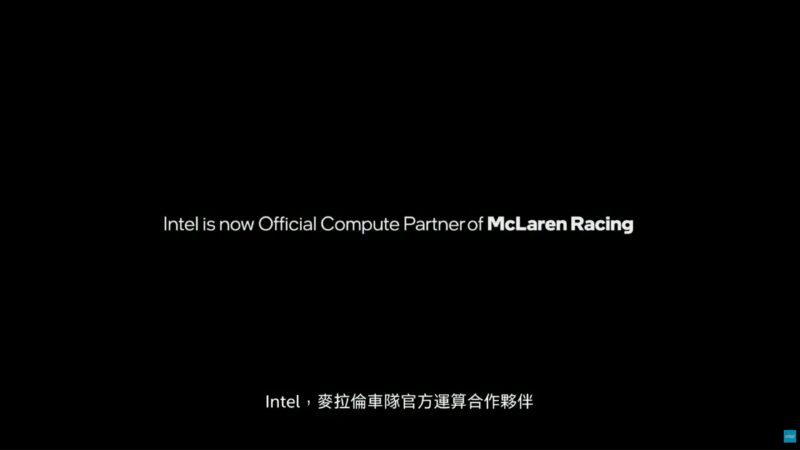
Now rolling a closing video: performance begins with compute. Intel is now the official compute partner of McLaren racing.
And that’s a wrap for the Intel keynote. Thank you for joining us.



Just keep that stock moving up….for Nana’s sake.