
Cosm Compute Infrastructure
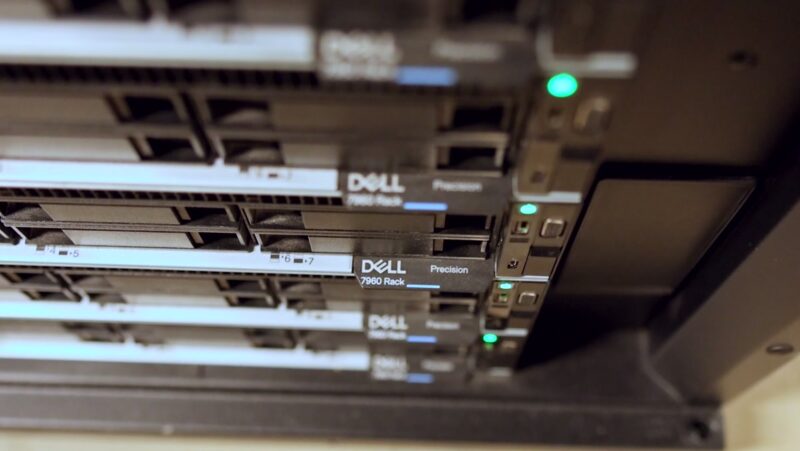
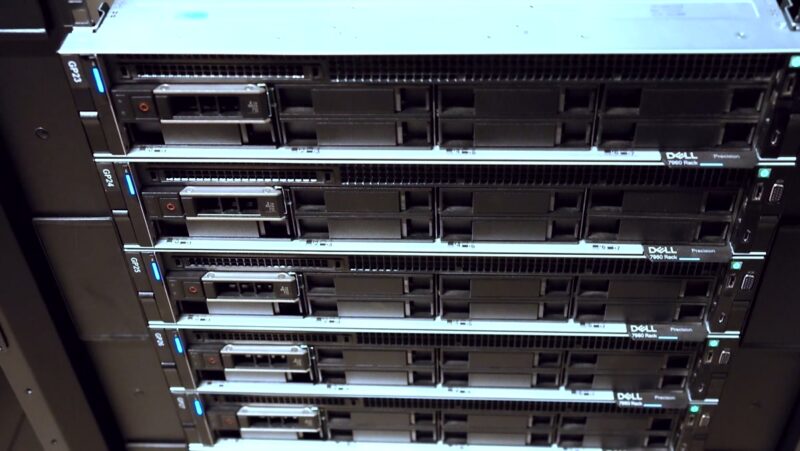
Dell serves as the compute provider for Cosm venues. Rack-mounted Dell Precision workstations equipped with NVIDIA RTX GPUs form the backbone of the rendering infrastructure. These systems handle the demanding workload of driving multiple high-resolution video streams simultaneously while maintaining synchronization across the entire dome surface. Before I arrived, I thought it might be one or two rendering servers. Instead, there were racks, and each LED panel is even calibrated for small offsets during installation.
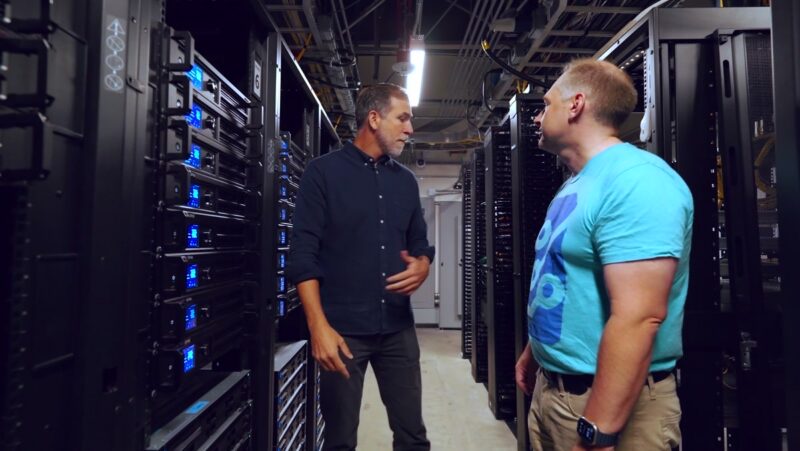
The rendering system uses a distributed architecture with approximately 50 nodes working together. Each Dell Precision workstation carries an NVIDIA RTX 6000 Ada GPU and drives a specific section of the dome display. All sections remain synchronized to deliver a seamless visual experience, with no visible boundaries between rendering zones.
Video capture operates at resolutions ranging from 8K to 10.5K for live events, with some content reaching up to 24K. The dome itself uses a cube map projection, with each face of the 360-degree surface rendered at 16K resolution. This pixel density enables viewers to see fine details even when content fills their entire peripheral vision.
Live production workflows capture four to five camera feeds per event. These streams switch in real time through cloud infrastructure before distribution to each venue. The same underlying technology that delivers live sports also powers movie events and custom entertainment programming.
Storage and Data Workflows
Dell PowerScale storage systems handle the massive data volumes that Cosm workflows generate. Petabytes of video data move through the infrastructure on a regular basis, supporting both live production and post-production workflows. The same storage platform serves multiple roles across the organization.
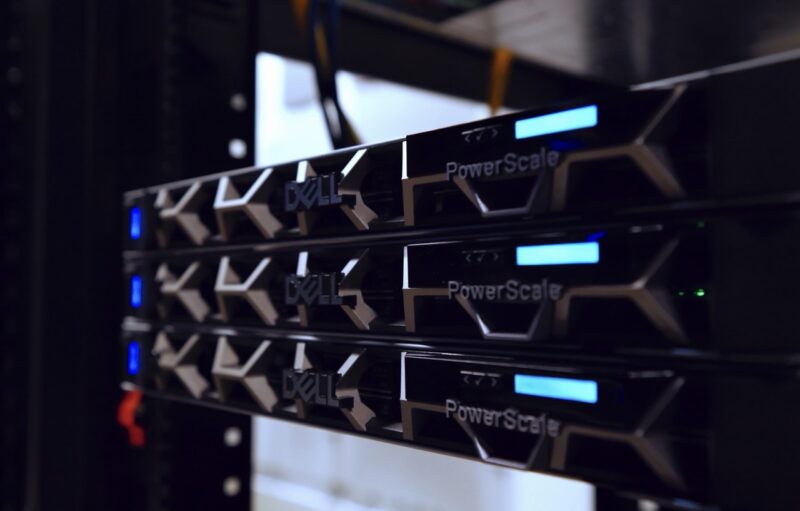
Live production workflows running on-site in each venue depend on fast access to content libraries. Non-live content creation, including visual effects work and rendering for special events, also draws from the same storage infrastructure. Consolidating these workloads onto a single platform simplifies operations while maintaining performance.
Regional programming differences require localized content management. The Los Angeles venue runs different advertising and promotional material than the Dallas location during the same football game. Real-time graphics systems must accommodate these variations while maintaining consistent visual quality across all venues.
Broadcast Integration
Cosm camera feeds serve double duty as sources for traditional television broadcasts. The high-resolution capture systems record at resolutions far exceeding broadcast requirements, which enables downstream processing to extract multiple usable outputs from a single camera feed.
AI upconversion techniques transform captured footage into super slow-motion replays suitable for broadcast use. When television viewers see silky-smooth replay sequences during games, those shots often originate from Cosm camera systems using AI enhancement to achieve the required frame rates.
Virtual camera functionality allows broadcast directors to digitally pan and zoom within the captured frame. A subsection of the full-resolution capture becomes a standalone camera angle without requiring additional physical cameras. This digital pan-zoom capability multiplies the usable outputs from each position.
Software and Calibration
The display pipeline extends far beyond simple video output. A comprehensive software translation layer handles calibration, geometric correction, and pixel mapping to ensure content appears correctly on the curved LED surface. Cosm developed proprietary tools to manage this complexity in-house.
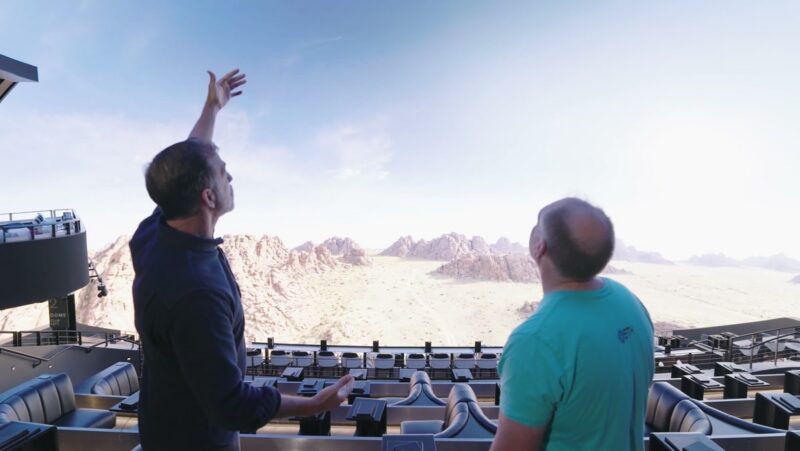
LED processing systems enable direct pixel-level control through custom software. Rather than relying on standard video processors designed for flat displays, Cosm built an end-to-end platform that addresses every pixel individually. This approach enables the unique warping and blending required for dome projection. This can be important when the custom LED panels are installed and have a few mm of variance. Cosm’s technology corrects for LED panel installation variance, so it does not look like a bunch of panels stitched together (which it ultimately is).

Real-time 3D graphics capabilities allow Cosm to import projects built for standard monitors or mobile devices and adapt them for dome presentation. Creators can develop content using familiar tools, then deploy it to the venue with minimal modification. The platform aims to support creators across multiple disciplines.
Venue Operations
Cosm venues operate as multi-purpose spaces capable of hosting different event types throughout a single day. Morning sporting events can give way to afternoon movie screenings followed by evening concerts or additional sports coverage. Flexible infrastructure makes these transitions possible without extensive reconfiguration.
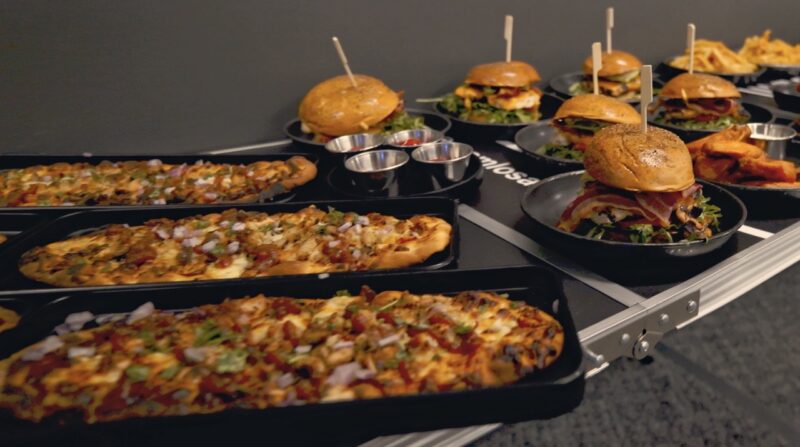
The venue includes a scratch kitchen that prepares food on-site. Dining options complement the entertainment experience, allowing guests to enjoy meals while watching events. This combination of premium viewing and quality food service differentiates Cosm from traditional sports bars or movie theaters. Near the picture of me earlier in this article with the big “COSM” letters was a big smoker that was sadly not rolling while we were there. Still, the food clearly beat the average stadium fare.
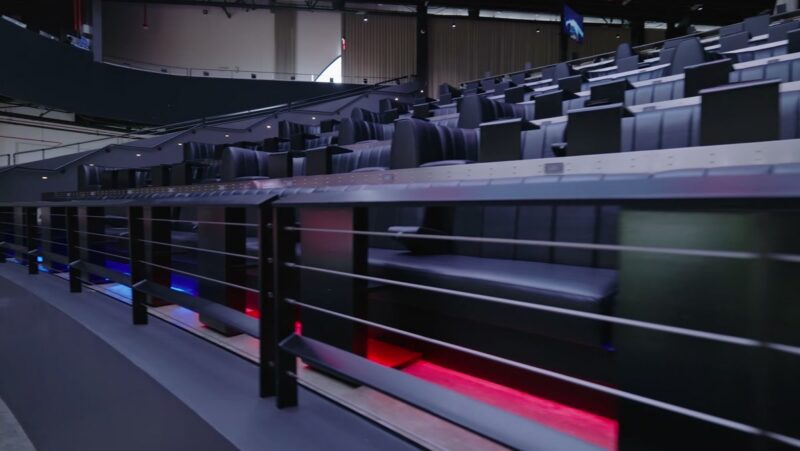
Seating arrangements encourage social interaction among fans attending the same event. Groups can gather to celebrate together while experiencing content that surrounds them visually. That shared physical space creates community dynamics that streaming at home cannot replicate. As an example, the gentleman sitting next to us while we were watching the football game was from the East Coast, attending events at multiple stadiums, but had heard about Cosm and wanted to check it out.
Final Words
If you like watching sports or movies, or are just a fan of technology, this was a neat example of how high-performance computing meets creative venue design. Those interested in understanding how modern immersive experiences work will find the video worthwhile. Written articles can describe infrastructure and workflows, but this dome was built to show video.
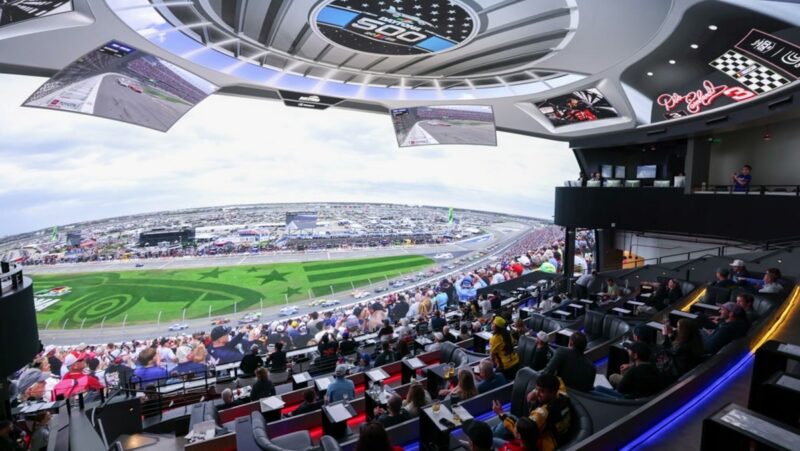
The concept is really interesting. Cosm can sell tickets (and food/ drink) for events happening all over the world. That means it can cycle through many events in a single day, whereas a typical stadium might host only one. In case you were wondering, I asked, and yes, someone has rented this out to play video games on.
Cosm plans to expand aggressively with over 100 venues planned worldwide. The technology stack proven in Los Angeles and Dallas will scale to serve fans across multiple US cities and (one day) continents. This is an experience that I will be taking my wife and friends to in the future, as it was super cool.