

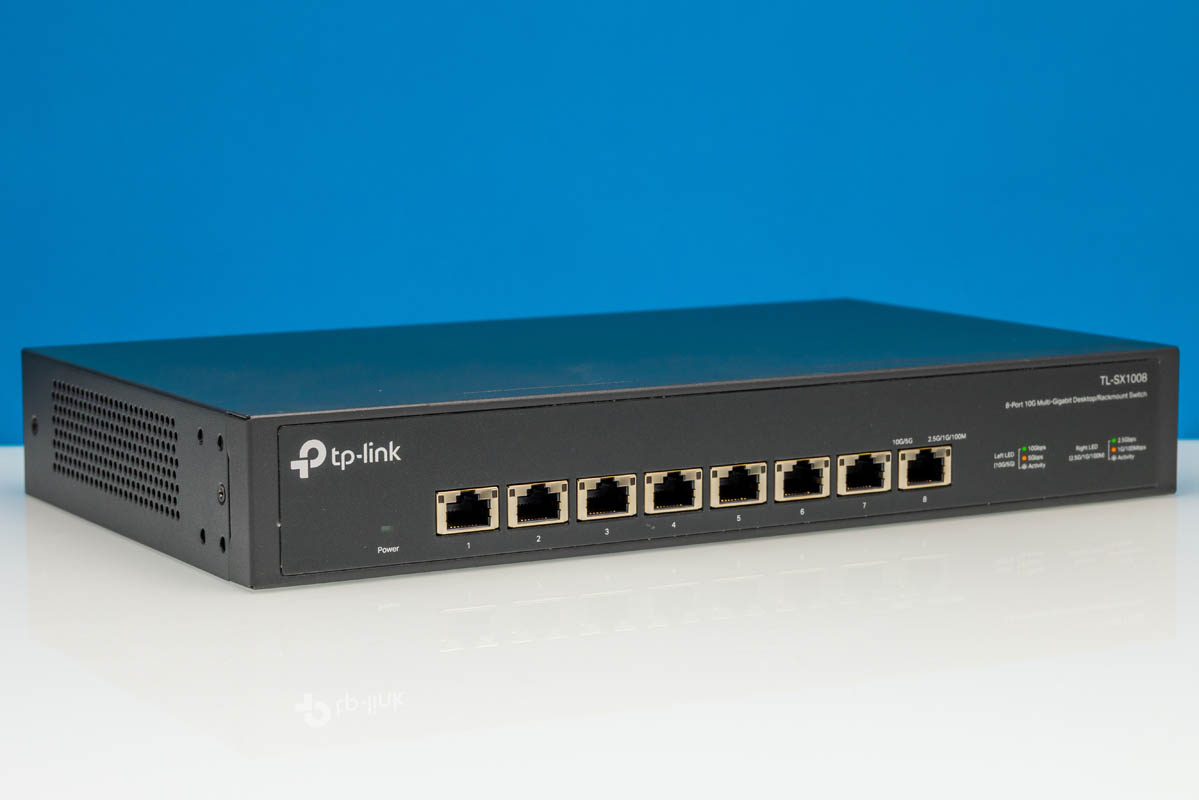
This is one that we have been asked to review for some time. The TP-Link TL-SX1008 is a simple multi-gig switch that sports eight 10Gbase-T ports. This is a bit more polished and packaged than the TP-Link TL-ST1008F we reviewed as an example. Now, we have a better test methodology, so we decided to purchase one on the lower end of the $299-349 range, which these generally sell for. That price makes it far from the cheapest 8-port 10Gbase-T switch on the market. It was also listed as a #1 best seller on Amazon when we purchased ours, so it is at least popular.
If you want to check current pricing or to buy one, here is an Amazon affiliate link to where we purchased ours.
TP-Link TL-SX1008 Hardware Overview
The switch is a 1U height and does not use any of the crazy coloring we have seen from some 8-port switches recently.
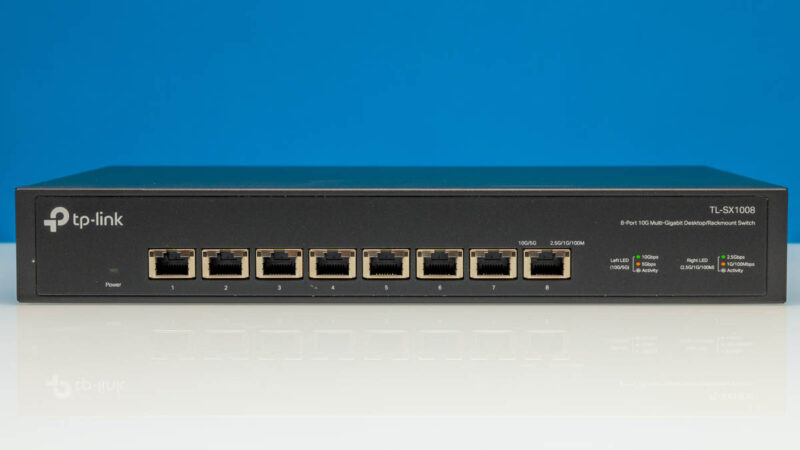
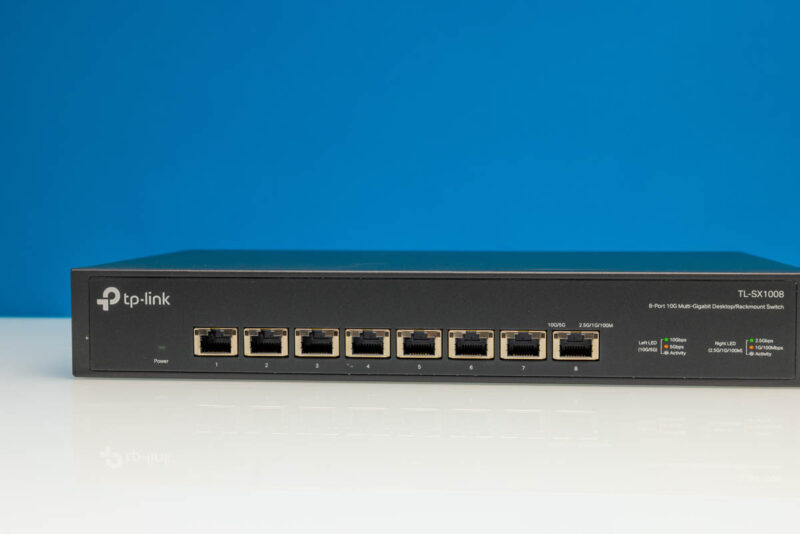
The big feature is clearly the eight 10Gbase-T ports. I think some will want the SFP+ option to uplink to other devices and switches, but there are others who are really just looking for 10Gbase-T. The switch can also do 1GbE, 2.5GbE, and 5GbE speeds. At the same time, if you are using less than 10Gbps speeds on more than one of these ports, it gets to be an expensive solution.
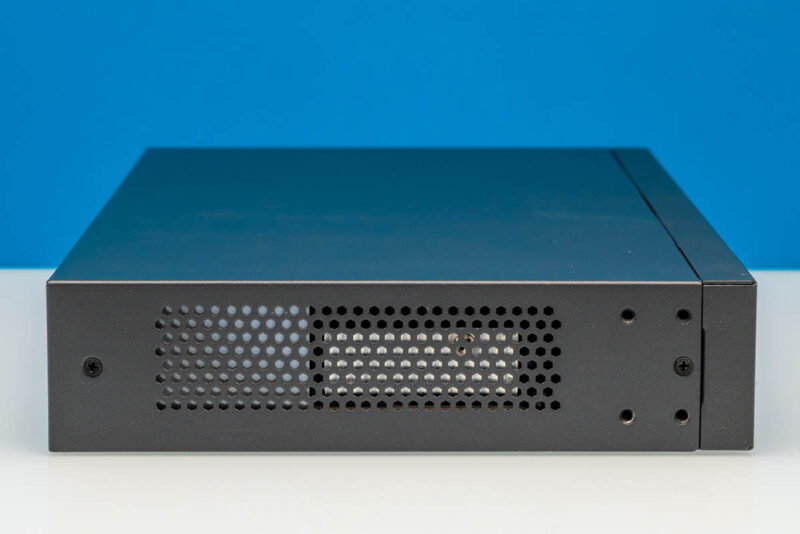
On the side, we get holes for mounting and a fan vent.
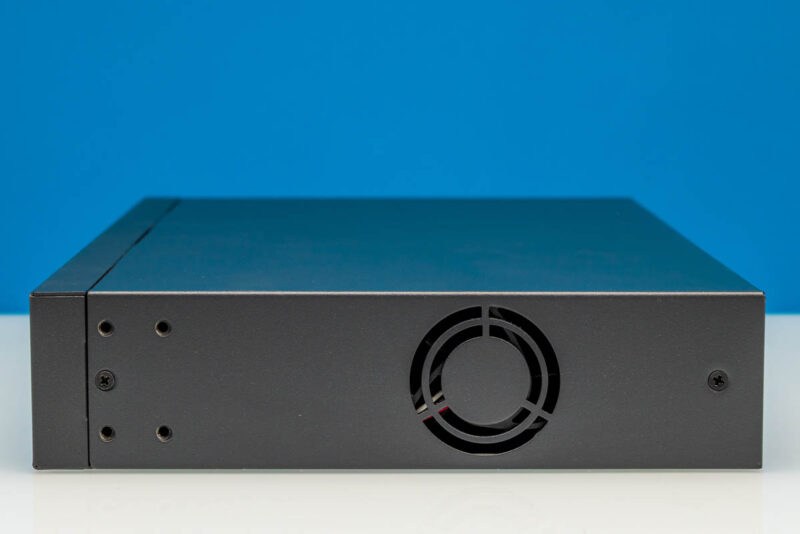
On the other side, we get a big vent.
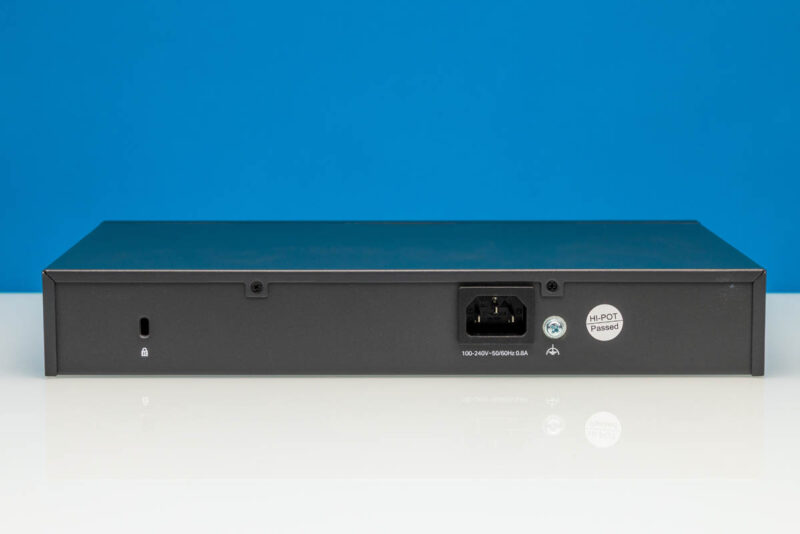
On the rear, we get a little bit more than we were expecting.
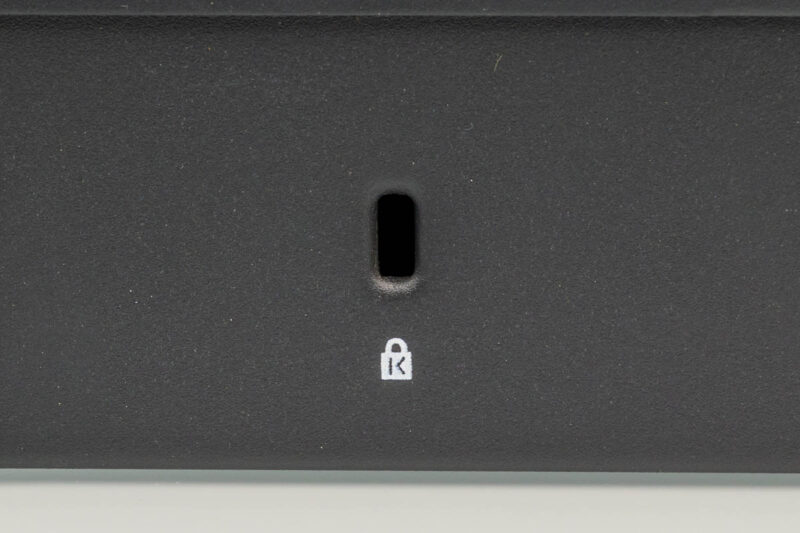
There is a Kensington lock port. In many segments, this is common, but on lower-cost small switches it is less common than you might think.
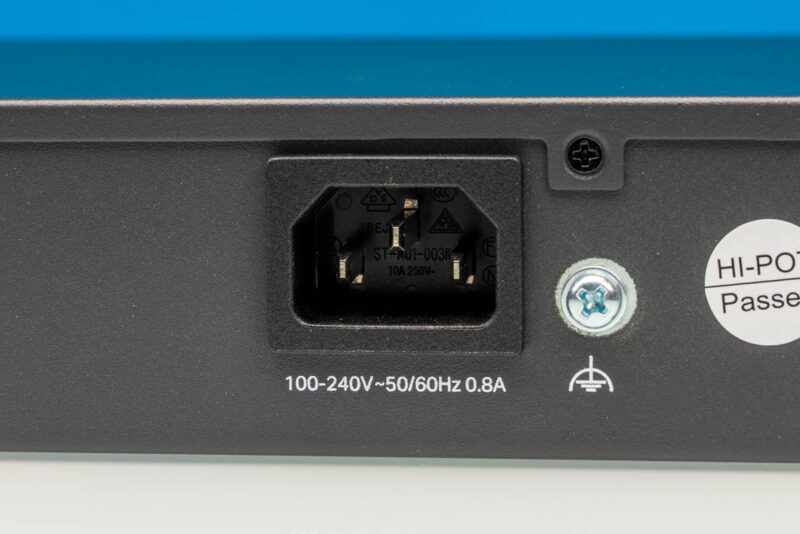
There is also an AC input and a grounding point. The power supply is internal in this one, which is good.
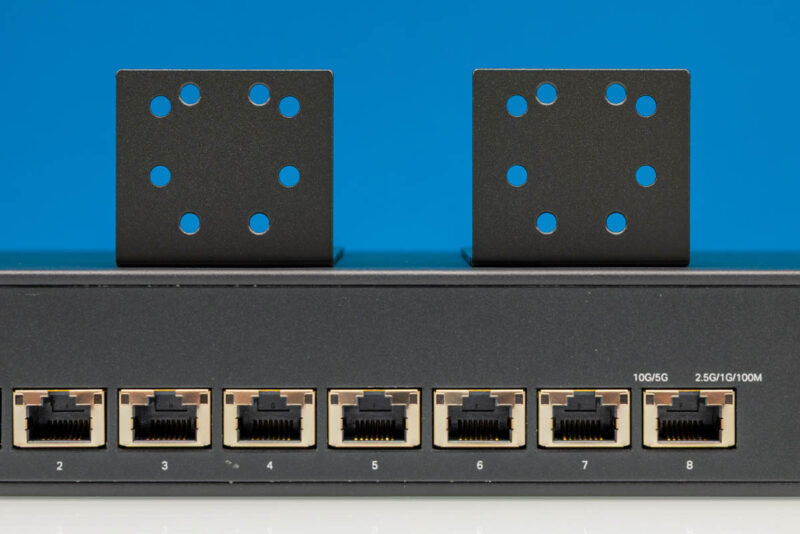
We also got rack ears, which is useful since this is a 1U switch.
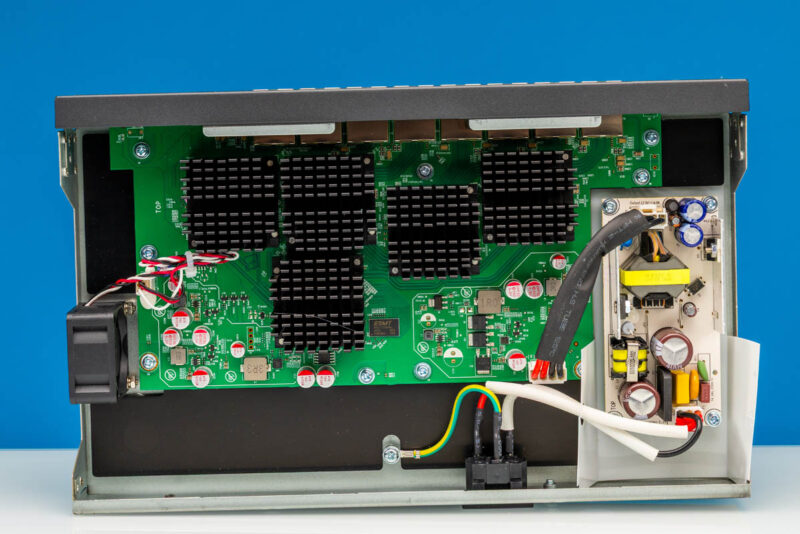
Inside, this is an interesting layout.
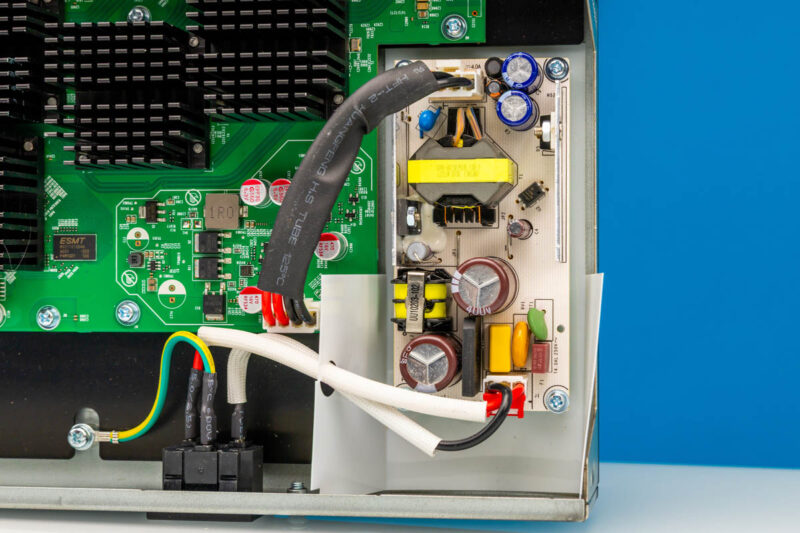
First, here is the internal power supply.
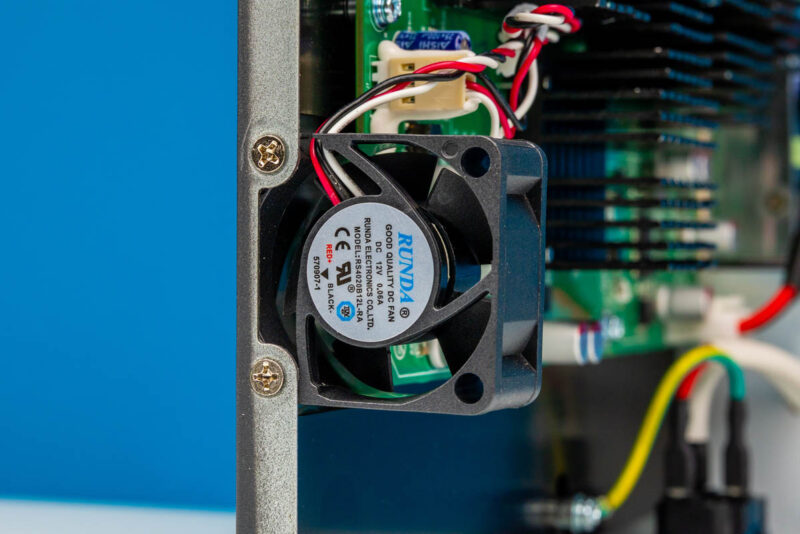
There is also a fan that is not super quiet in our switch.
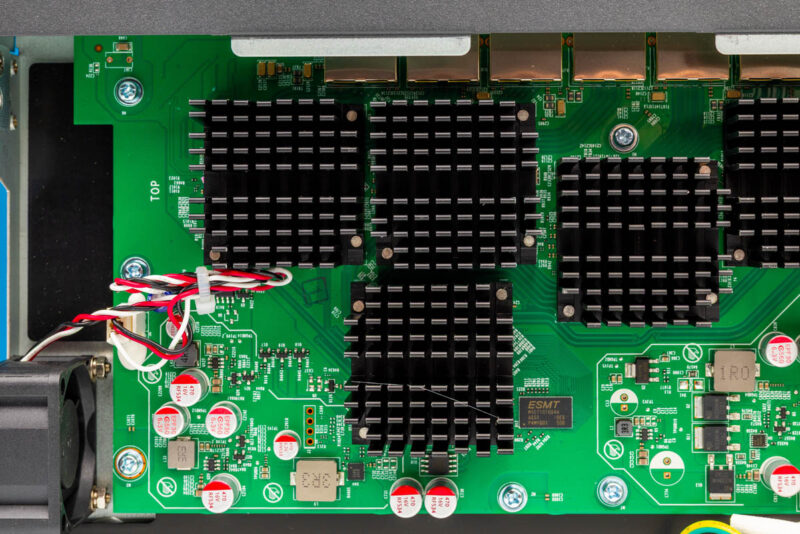
The heatsinks are huge and fixed. There appear to be four PHY heatsinks, and then the one furthest from the ports is likely a Realtek RTL9303 based on the performance profile.
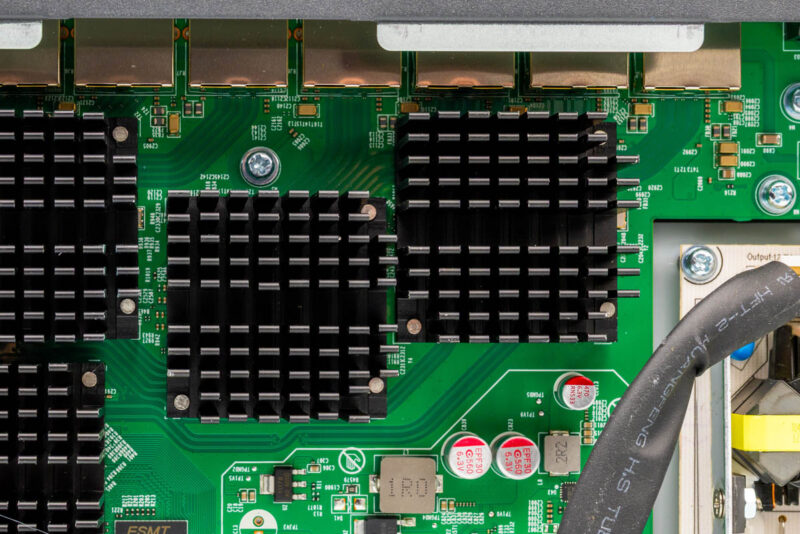
Here is a closer look at the other two heatsinks behind the ports.
Now, let us power up the switch and see how it performs.

I have this switch. The fan emits high pitched noise and it is loud for quiet room.
I drilled a hole on the top plate with hole saw / drill press and installed quiet 120mm fan protrudes outwards.
Yeah, me too. I couldn’t keep in the room, due to the noise. So I cut a hole in the top cover, put a big fan there :)
But, after six months switch started acting out. First, one half of ports semi died (worked randomly) and them a month later the second half gave in. I threw it away…
We bought 3 at work. Within a month there two units in active use began to fail. Ports would die randomly (no link light). We got the two units replaced by RMA but never used any of them due to a lack of trust.
Amazon reports “#1 Best Seller”, but that is for a different switch (listed on the same page).
Can you replace that fan with a quieter one from say, Noctua?
Using a 5.5″ hole saw, I cut a hole directly over the heatsinks and installed a noctua NF-A14 FLX. I used GE supreme clear silicone to seal the edges of the fan to the top of the switch. I also drilled some additional holes on the sides to improve airflow. The NF-A14 FLX has a very similar current draw as the stock Runda RS4020B12L-RA, but the airflow and static pressure ratings are MUCH higher. It’s also almost dead silent and the casing itself is much cooler to the touch compared to the stock Runda. I got it for an all time low on of $252.49 at the end of june on Amazon.