

My #1 Piece of Advice: Stop Wasting Money
Here is the bottom line, and it is more important than any technical detail in this article: like it or not, 2026 is going to be a challenging time for server procurement. We are seeing new generations that target even more I/O, memory bandwidth, and computational power. Simultaneously, everyone buying AI servers and high-performance computing infrastructure knows this is happening, creating additional demand pressure.
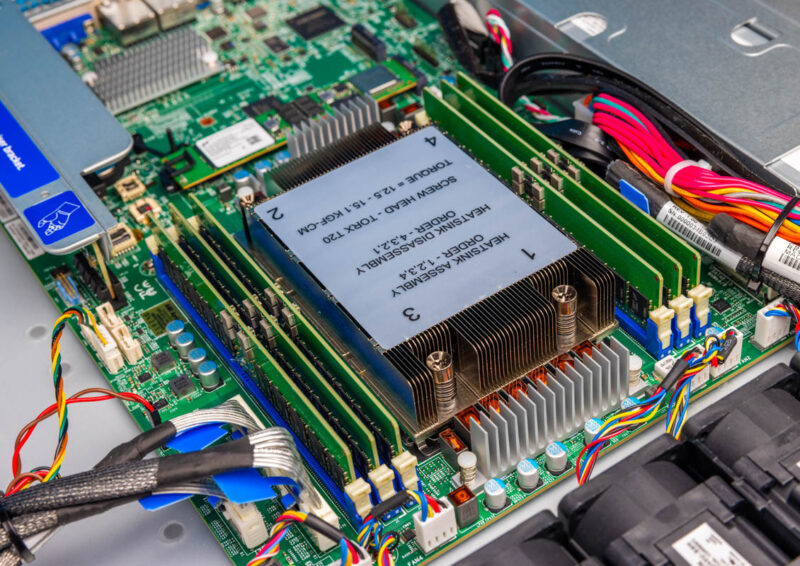
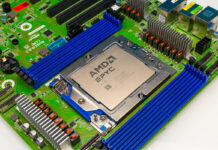
For the vast majority of existing workloads, everything that is not cutting-edge AI training or similar demanding applications, today’s AMD EPYC 9005 processors represent the smart choice, especially if you are purchasing from the lower portions in the SKU stack. We talk a lot about the high-end 128-core and 192-core parts, but if you are buying a 32 or 48-core processor, you may not need to jump to the newest server CPUs this year. That patience can save you a significant amount of money.
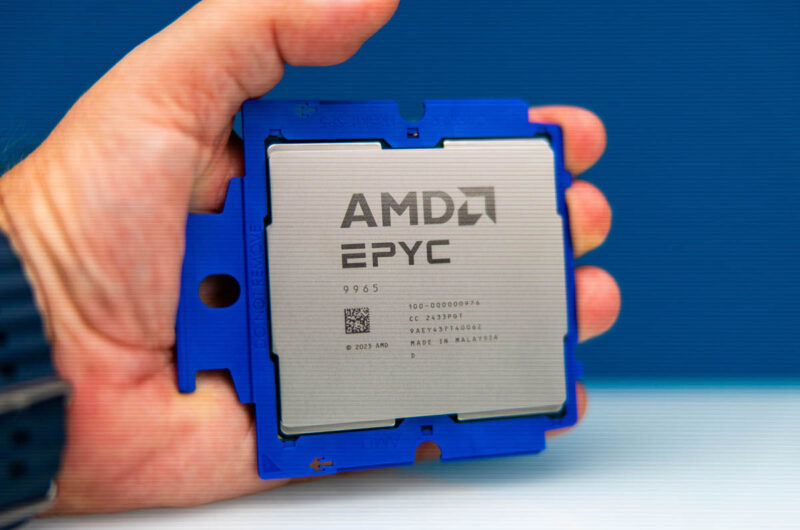
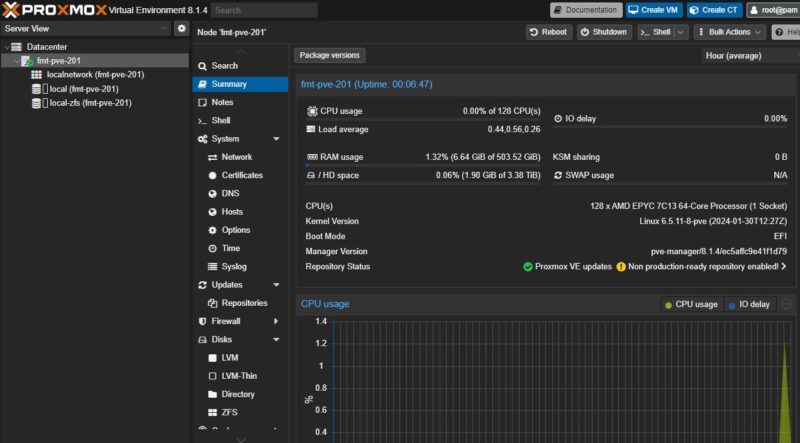
The other critical insight is that DRAM and NAND pricing are making 2026 a year that calls for an extremely careful examination of what you deploy. Challenge yourself, your teams, and certainly your vendor representatives to rigorously map hardware purchases to actual needs. If you are running servers with 20% memory utilization, it may be time to revisit your GB-per-core ratios. If you have numerous lower-core-count servers that could potentially be consolidated, maybe it is time to implement KVM virtualization it is almost 20 years old at this point and highly mature.
Build business cases around actual needs against the backdrop of genuine demands for more compute, particularly with AI agents becoming prevalent. But do not blindly continue doing what you have done for the past decade simply because it is familiar. Make a plan, execute that plan aggressively, and avoid ending 2026 in a situation where you are CPU-poor or memory-poor because you did not think strategically about your purchases.
Final Words
The server market in 2026 presents genuine challenges, but it is not hopeless. The organizations that navigate this environment successfully will be those willing to challenge assumptions about timing, configuration, and licensing. Whether that means locking in pricing now rather than hoping for future discounts, consolidating to single-socket configurations where appropriate, or carefully calculating the total cost of ownership, including software licensing, there are meaningful savings available for those willing to look.
The key is to be deliberate. Do not buy out of habit, and do not assume that last year’s purchasing playbook will work in this environment. Evaluate your actual workload requirements, understand the changing economics of component pricing, and make decisions that align with both your immediate needs and your longer-term infrastructure strategy. In a market where every dollar counts more than it did a year ago, that disciplined approach could make the difference between a successful refresh cycle and a painful budget overrun.


One sentence about the sponsored nature of the article, buried in the second paragraph, is an interesting choice.
This hits hard. We’ve been buying from a reseller for almost 10 yrs and they’ve change quote validity to 14 days. It used to be valid for 90 days
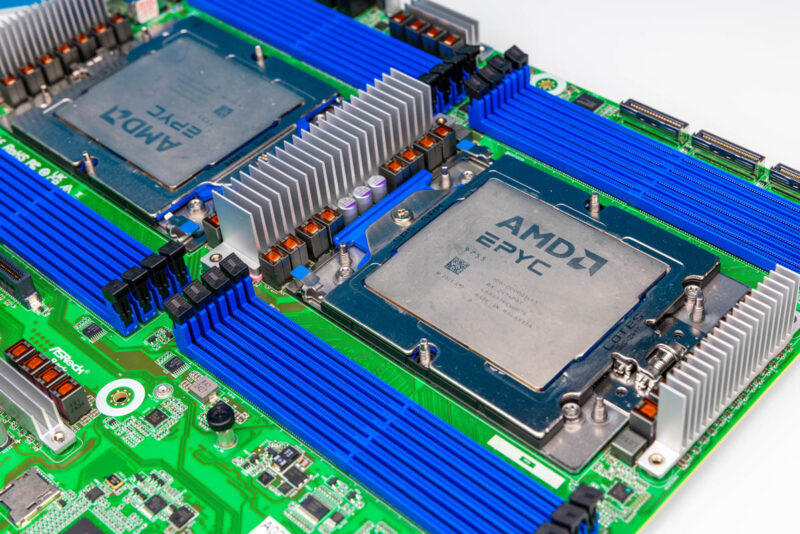
I like the article but I think there is one aspect missing. With CPU core counts going up drastically, you will have a bigger server consolidation. For the small and medium enterprises (emphasis on small), you also have to consider your n – 1 for virtualization redundancy (planning for one server failure). So less server consolidation and going towards single socket CPUs might be the better choice. Extreme case to stress the point: 4 single socket servers with each 64 cores is a much better case than 2 dual socket servers with 64 cores per socket (for comparison). With single socket servers you also have more DIMM slots per CPU, so you could go with smaller DIMM capacities (e.g. extreme case 64 instead of 256). At the end trading more memory capacity for less memory bandwidth, which might be worth depending on your workload.
How to turn water into wine in 2026!
Step 1. purchase 1 or more intel 8380 40c cpus ($1K)
2. purchase the least expensive 4 x 16GB ddr4 3200 rdimm ($100 each)
3. purchase 4 x 128GB optane pmem 200 (put into memory mode) ($69 each!)
4. purchase 1 or more mellanox 516-GCAT and cross flash to 516 CDAT (dual port 100G pci gen4) ($250 each)
5. find a new model (2026) pc gaming case that has good airflow ($150 for a good one!)
6. 2TB m.2 (hunt for a good deal at $150)
7. motherboard find someone at sth that will make your day!
this system takes care of the 95 percentile and still avoids the AI tax that most other components cost.
We’ve been seeing 3% per week price increases this year. It’s crazy out there.
The comment about not treating PCIe lanes as a number vs available speed is unfortunately not reflected in reality (admittedly, mainly for small businesses). Finding a dual 10Gb NIC at PCIe 5.0 x1 is not a thing (or even dual 25Gbit at PCIe 5.0 x2, or what would be really great would be dual 50Gbit with sfp56 at PCIe 5.0 x 4). Having a ssd backplane that offers PCIe 5.0 x2 per drive (allowing 8 drives for 16x PCIe at up to a theoretical 64GB/sec – which is still a massive improvement from SAS). Current PCIe lanes are wasted in many instances, so all we can do is go by count. For a SMB, or even an edge deployment, this would allow something much smaller like 4005 with 16 cores to still offer 8x NVMe SSD’s and 100Gb networking and 96GB ECC DDR5 (sticking with 1DPC – I do wish for 64GB ECC DDR5 UDIMMs) x 3 (or 4) for an affordable N+1 virtualization cluster (assuming software defined storage). But I guess the solution is either older hardware (like jpmomo suggests) or cloud.