

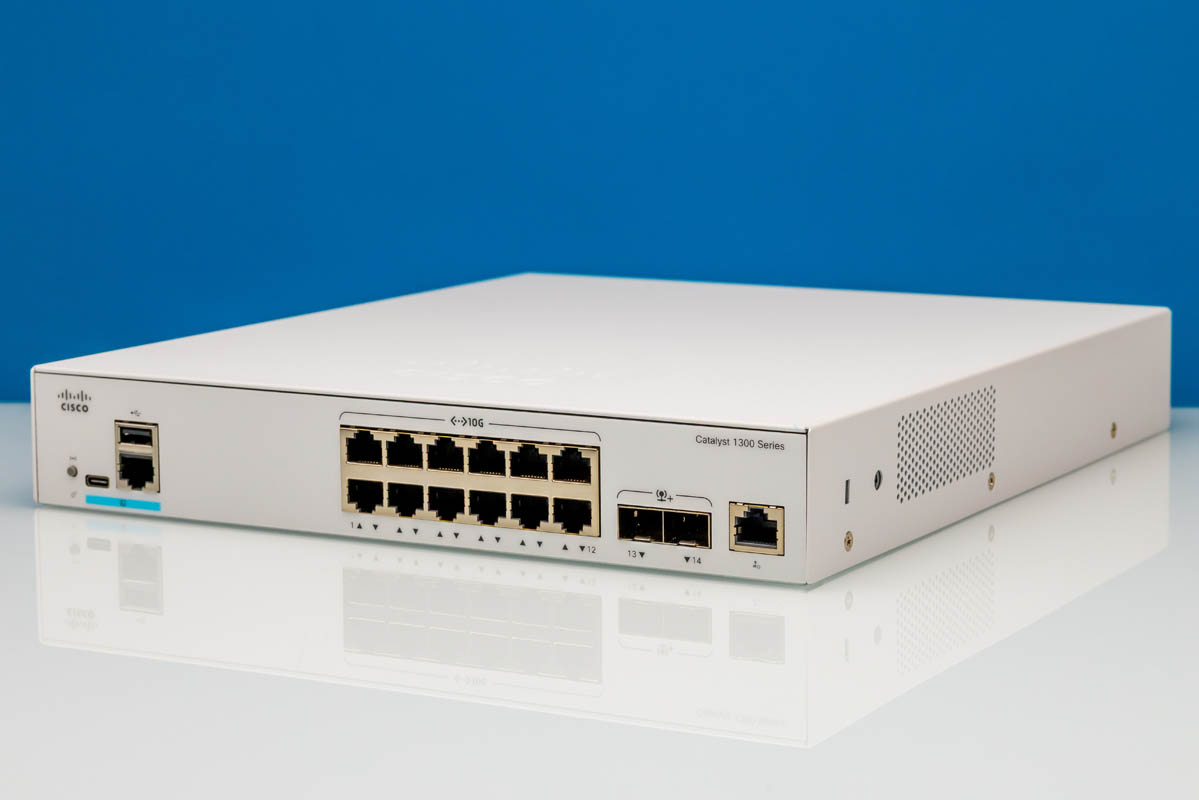
The Cisco Catalyst C1300-12XT-2X is a sweet switch. With twelve 10Gbase-T ports and two SFP+ 10G ports, this offers something many folks might want to use in a 14-port switch form factor. A fun story on this one is that we accidentally purchased the Cisco Catalyst C1300-12XS when we meant to purchase this one. On the plus side, that yielded an extra review in our series. We wanted to cover the C1300 series in a bit of detail since we think that might be an entry into Cisco switches for many folks.
If you want to purchase one of these, here is an Amazon Affiliate link. We also found them on B&H (affiliate link.)
Cisco Catalyst C1300-12XT-2X External Hardware Overview
The Cisco C1300-12XT-2X is a 1U rackmount switch. We did not have the rackmount ears for it, but they are fairly easy to find. It is also not a full 19″ EIA rack width, nor a half-width chassis at 268 x 300 x 43.94mm or 10.55 x 11.81 x 1.73in.
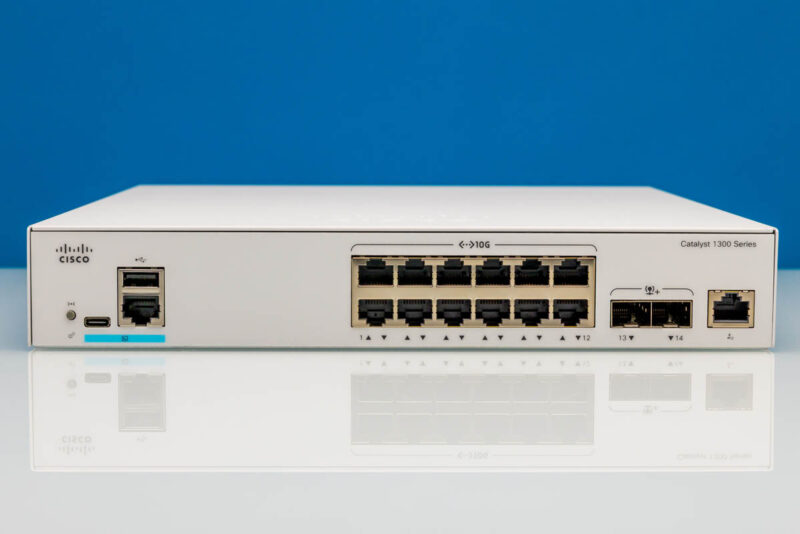
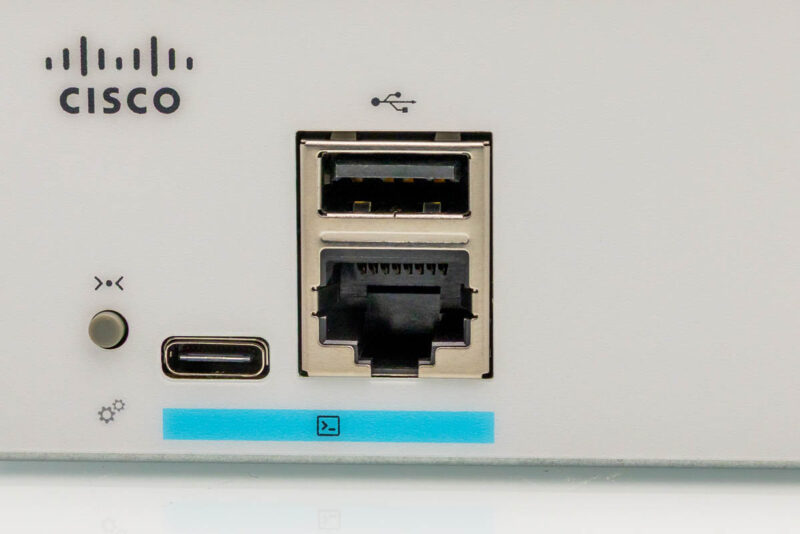
Starting off, on the left side, we have multiple ways to access Cisco’s console CLI.
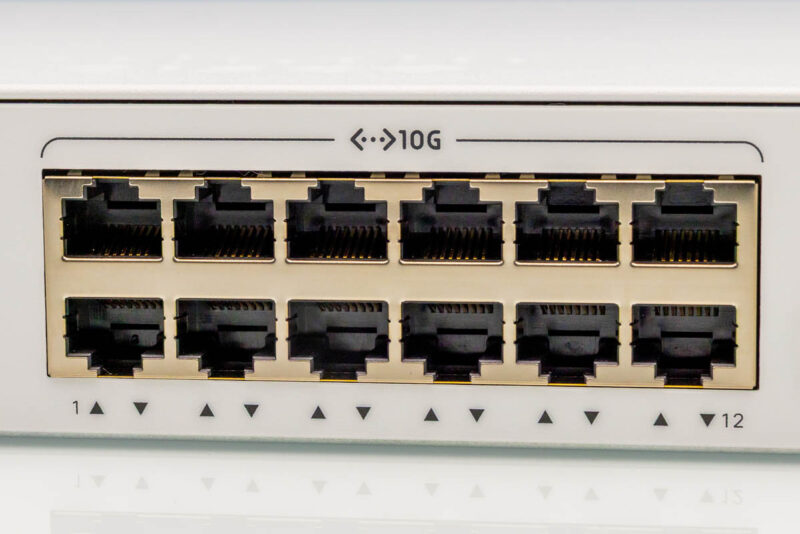
Next, there are twelve 10Gbase-T ports. Here is something that Cisco could improve upon: labeling. It would have been nice to have each port labeled instead of only ports 1 and 12. If you plug a cable into port 7, as an example, you have to look up which is port 1 and 12, figure out the numbering convention, then count the ports across until you arrive at the port. That is not difficult, but it is superfluous mental effort, since it can be solved with the common approach of simply numbering each port.
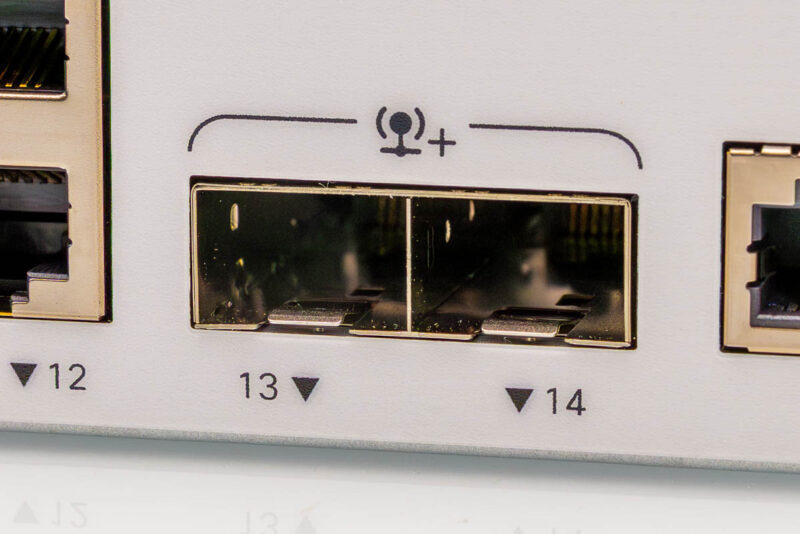
Ports 13 and 14 are labeled. These are the SFP+ 10G ports. Importantly, these are not combo ports.
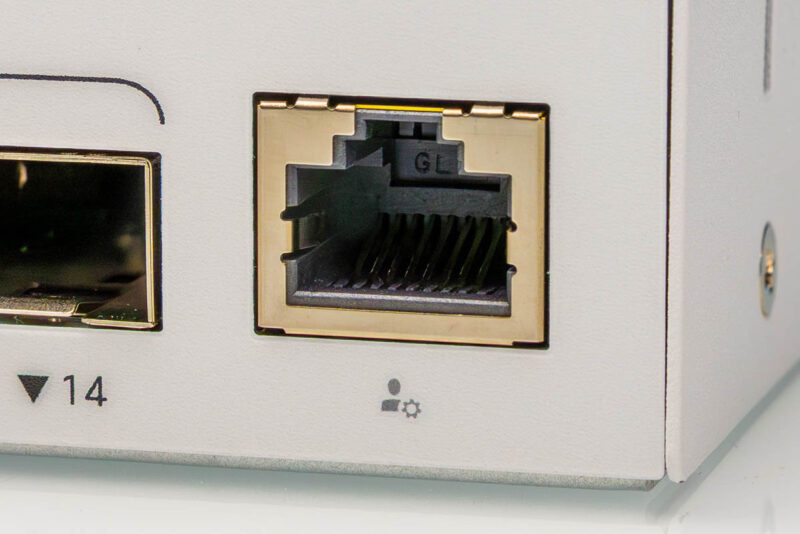
One nice feature of this switch, which was not present on the Cisco Catalyst C1300-8FP-2G, is that there is an out-of-band management port.
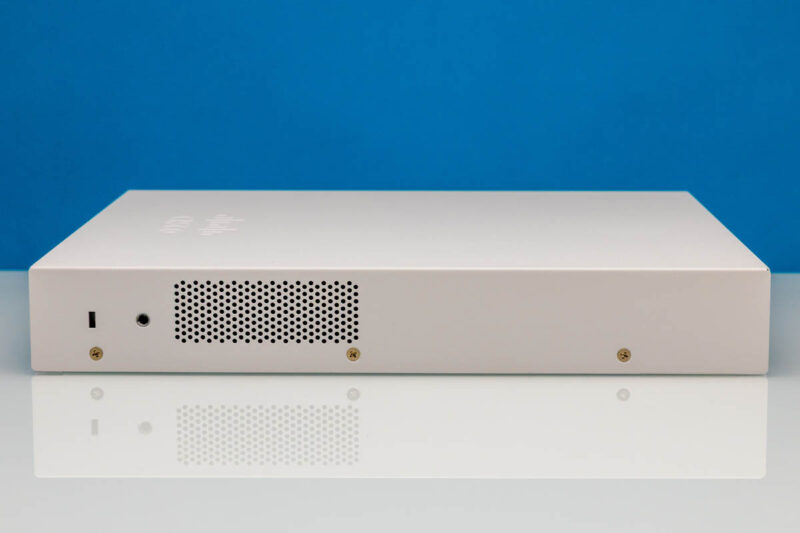
On the side, there is a vent.
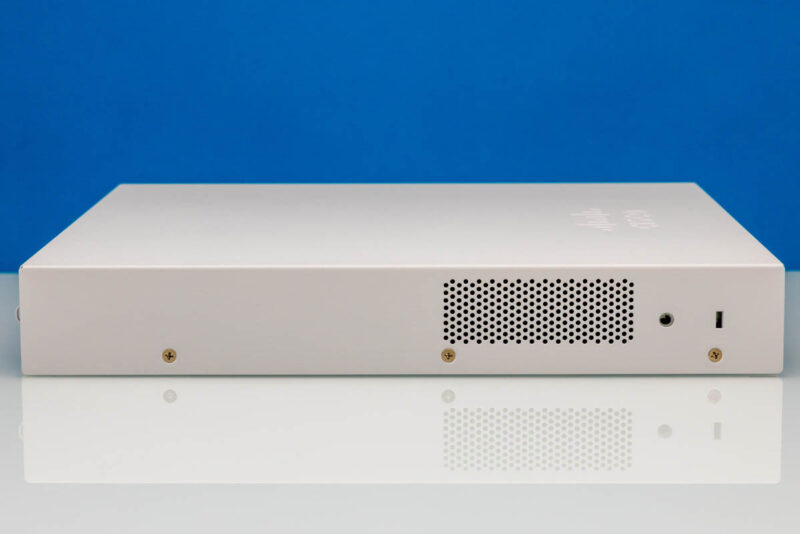
On the other side, there is another vent.
On the rear, we get a product label.
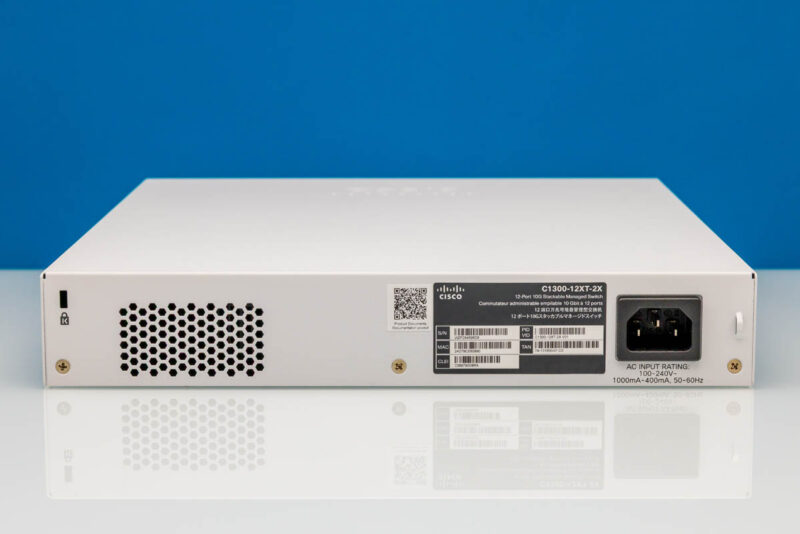
There is even a Kennsignton lock port. That is probably less common on rackmount gear, but this is perhaps a bit of a rackmount/ desktop hybrid chassis, so it makes sense here.
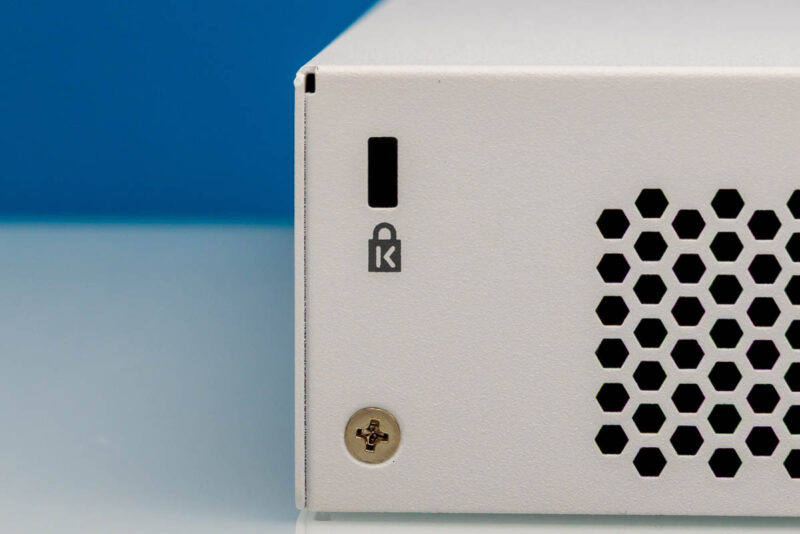
Next to that port, is perhaps the most important vent in the chassis.
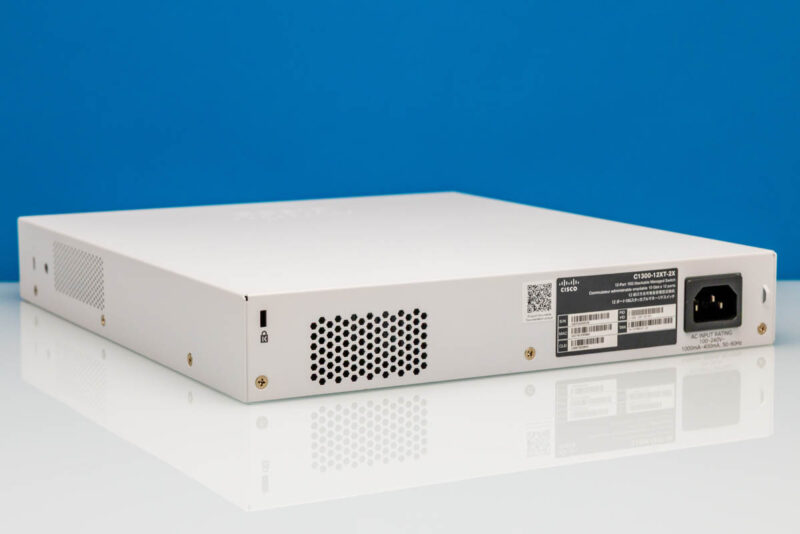
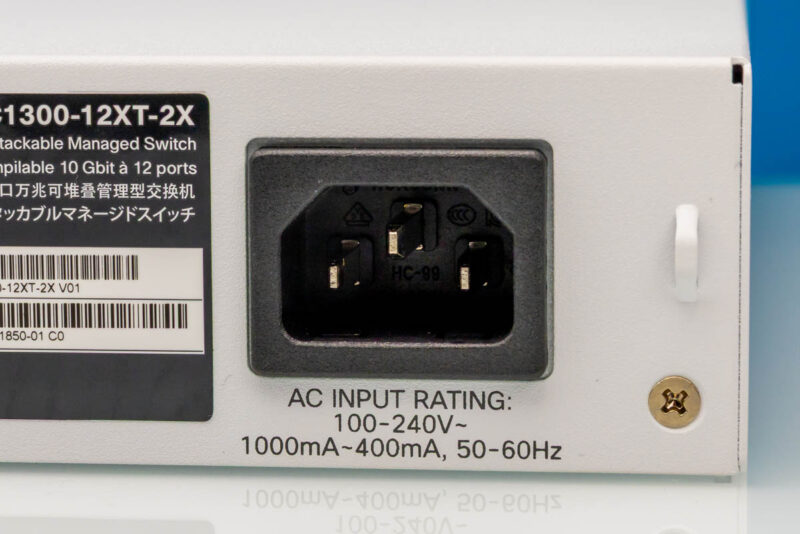
On the other side, there is an AC input.
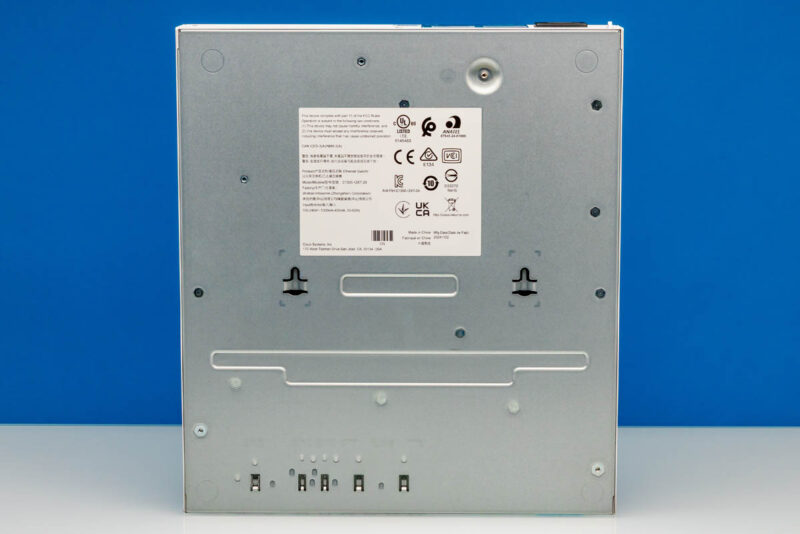
On the bottom, we get mounting points and another label.
Next, let us open up the switch and get inside.

Why is average latency always “N/A”?
OK, so it’s Cisco and it has some higher quality components, but is it worth 3 times the price? Where does the value proposition appear? 10GbE is becoming commodity now.
It’s no faster, no slower, it manages the same as its peers. The only question is does it last as long?
You don’t need to be a Cisco CLI god to use it.
If they still owned Linksys, the case could have been blue and have reduced the price by 25%
looks very simular to a Mikrotik switch….
This should have had the 2 spf+ ports also double as 25Gb ports, so you could redirect 3 of the 10GbE ports to 2 sfp28 ports, for connectivity to a server or other 10Gb switch. But that would mean this could live a long time instead of early end of life, as it would start as backbone and then later as edge connected to a 25Gb backbone.
I’m lovin’ STH actually doing switch reviews. It’s great that you’re doing all of this. Can you do FortiSwitch too?
Can you verify that the RJ45 ports fully support 2.5G/5G speeds as well as 10G? Cisco doesn’t confirm this in their specs. Thanks, and great review!
@Bryan Y: Spec sheet says 100M/1G/10G
https://www.cisco.com/c/en/us/products/collateral/switches/catalyst-1300-series-switches/nb-06-cat1300-ser-data-sheet-cte-en.html
@spuwho I am aware but the last C1300 review they did showed that the combo ports indeed did support 2.5g/5g and was not listed on the spec sheet. Would prefer an official confirmation.
@world
indeed an excellent iNFOGAP about the NBASE-T …
well done!
Yep. Too few, too late and too expensive in comparison with MikroTik.
From Cisco Docs, this is a wire-speed L3 routing switch for both Ipv4/ipv6, with thousand of route for both 1 and 10Gb traffic.
Idk how true it is, but even if it is for only on 20ish that it is impressive for the price.
the blower is a nice touch.
They cope better with static pressure, so I really do not know why more companies don’t use them.