

My #1 Piece of Advice: Stop Wasting Money
Here is the bottom line, and it is more important than any technical detail in this article: like it or not, 2026 is going to be a challenging time for server procurement. We are seeing new generations that target even more I/O, memory bandwidth, and computational power. Simultaneously, everyone buying AI servers and high-performance computing infrastructure knows this is happening, creating additional demand pressure.
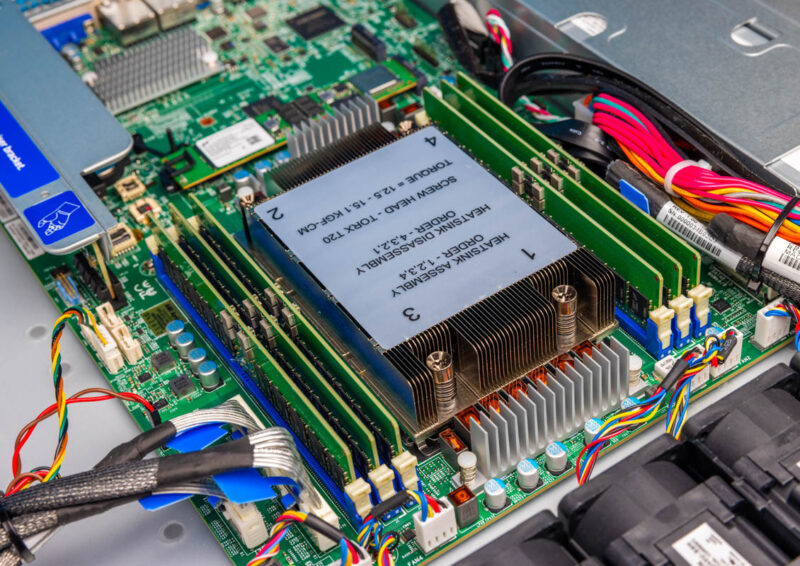
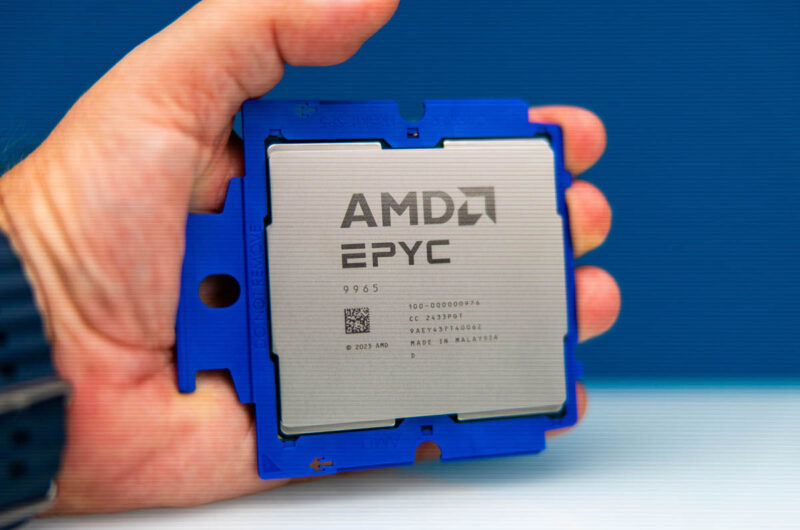
For the vast majority of existing workloads, everything that is not cutting-edge AI training or similar demanding applications, today’s AMD EPYC 9005 processors represent the smart choice, especially if you are purchasing from the lower portions in the SKU stack. We talk a lot about the high-end 128-core and 192-core parts, but if you are buying a 32 or 48-core processor, you may not need to jump to the newest server CPUs this year. That patience can save you a significant amount of money.
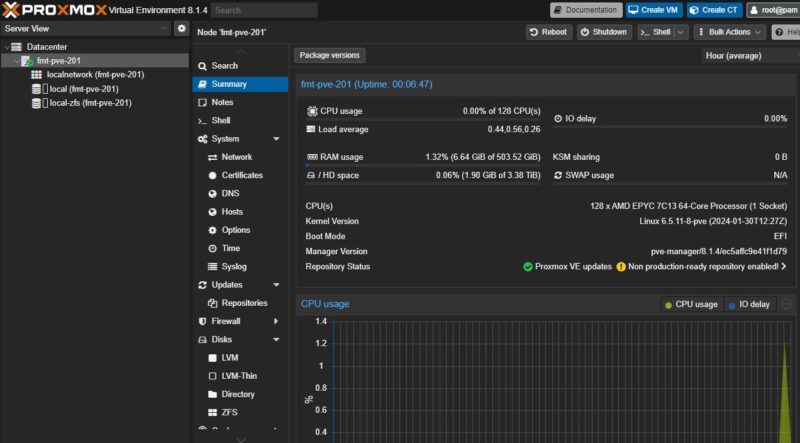
The other critical insight is that DRAM and NAND pricing are making 2026 a year that calls for an extremely careful examination of what you deploy. Challenge yourself, your teams, and certainly your vendor representatives to rigorously map hardware purchases to actual needs. If you are running servers with 20% memory utilization, it may be time to revisit your GB-per-core ratios. If you have numerous lower-core-count servers that could potentially be consolidated, maybe it is time to implement KVM virtualization it is almost 20 years old at this point and highly mature.
Build business cases around actual needs against the backdrop of genuine demands for more compute, particularly with AI agents becoming prevalent. But do not blindly continue doing what you have done for the past decade simply because it is familiar. Make a plan, execute that plan aggressively, and avoid ending 2026 in a situation where you are CPU-poor or memory-poor because you did not think strategically about your purchases.
Final Words
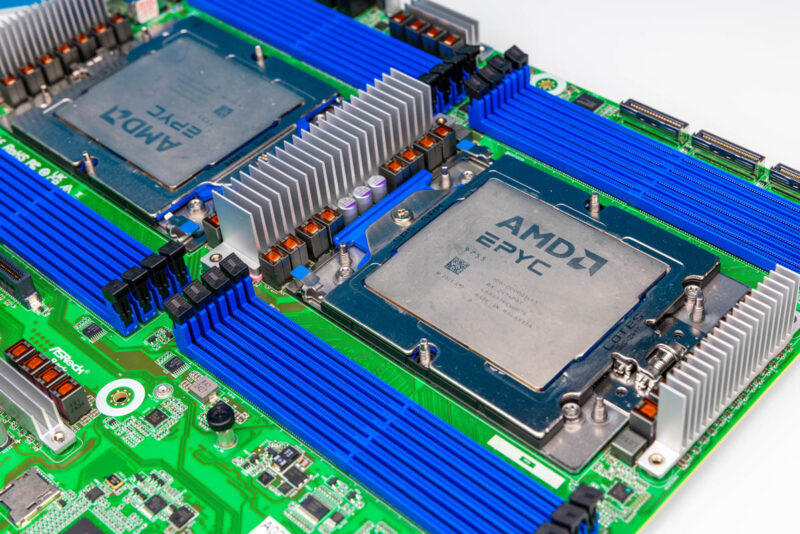
The server market in 2026 presents genuine challenges, but it is not hopeless. The organizations that navigate this environment successfully will be those willing to challenge assumptions about timing, configuration, and licensing. Whether that means locking in pricing now rather than hoping for future discounts, consolidating to single-socket configurations where appropriate, or carefully calculating the total cost of ownership, including software licensing, there are meaningful savings available for those willing to look.
The key is to be deliberate. Do not buy out of habit, and do not assume that last year’s purchasing playbook will work in this environment. Evaluate your actual workload requirements, understand the changing economics of component pricing, and make decisions that align with both your immediate needs and your longer-term infrastructure strategy. In a market where every dollar counts more than it did a year ago, that disciplined approach could make the difference between a successful refresh cycle and a painful budget overrun.



This hits hard. We’ve been buying from a reseller for almost 10 yrs and they’ve change quote validity to 14 days. It used to be valid for 90 days