

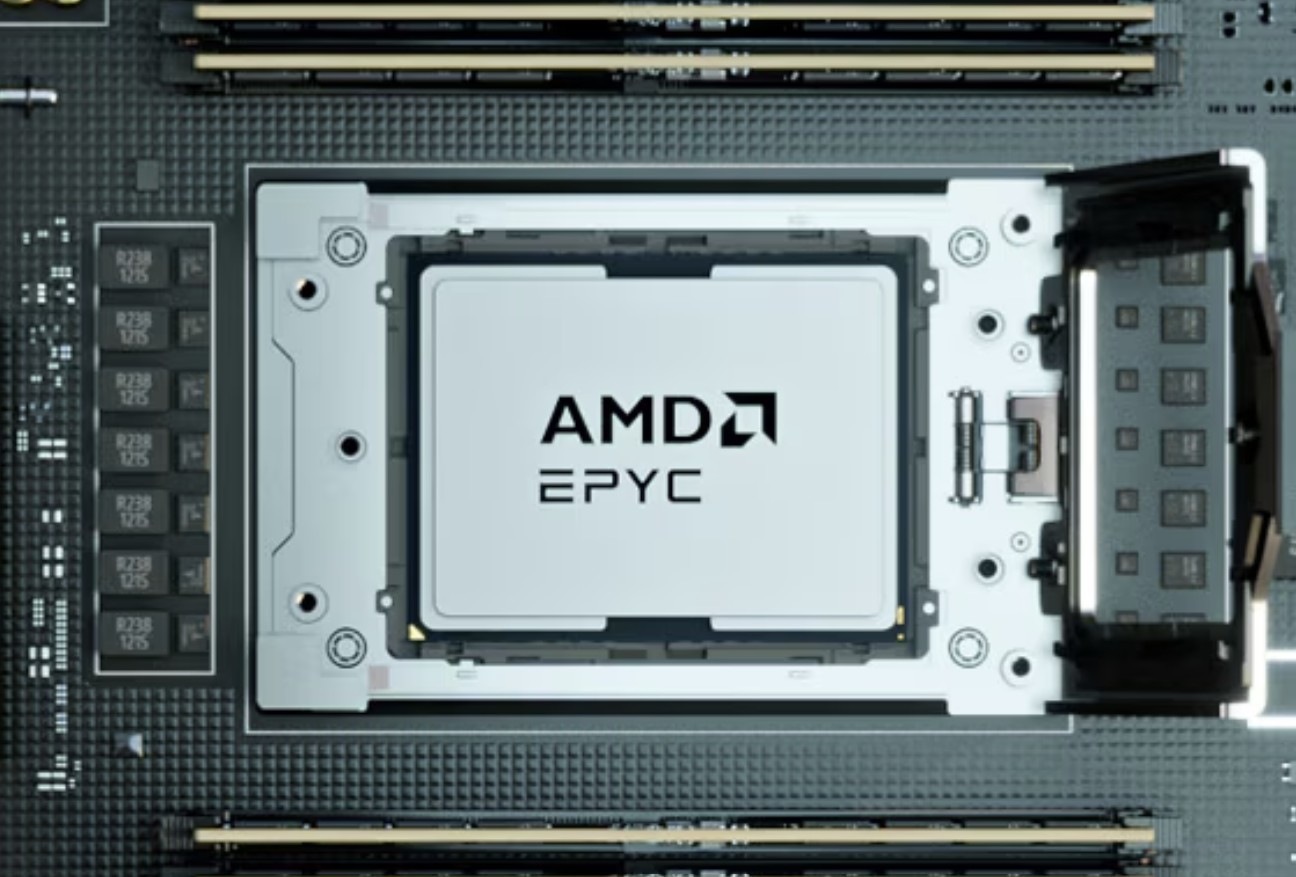
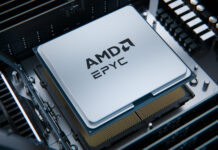
AMD announced the EPYC 8005 series at MWC 2026, but today is the embargo date for release. Make no mistake, “Sorano” is an enormous upgrade over the EPYC 8004 series “Siena”, and not just a simple change to a new architecture generation.
AMD EPYC 8005 is Out with New SKUs and Support
Perhaps the two biggest changes with the new AMD EPYC 8005 series is the architecture and core count. Instead of using the Zen 5c cores that are found in the AMD EPYC 9005 “Turin Dense” CPUs, and a direct generational upgrade from the EPYC 8004 Zen 4c cores, AMD is using full Zen 5 cores. That means we get a lot more L3 cache on these chips than we did in the previous generations. We also see clock speeds across all current SKUs reach 4.5GHz (up from 3.15GHz in EPYC 8004).
Here is the current AMD EPYC 8005 SKU list.
|
Name
|
# of Zen 5 CPU Cores
|
# of Threads
|
Base Clock
|
L3 Cache
|
Default TDP
|
|---|---|---|---|---|---|
| AMD EPYC 8635P | 84 | 168 | 1.6 GHz | 384 MB | 225W |
| AMD EPYC 8535P | 64 | 128 | 2 GHz | 256 MB | 210W |
| AMD EPYC 8435P | 48 | 96 | 2.45 GHz | 256 MB | 200W |
| AMD EPYC 8325P | 32 | 64 | 2.7 GHz | 256 MB | 175W |
| AMD EPYC 8225P | 24 | 48 | 2.95 GHz | 128 MB | 160W |
| AMD EPYC 8125P | 16 | 32 | 2.65 GHz | 128 MB | 125W |
| AMD EPYC 8025P | 8 | 16 | 2.9 GHz | 64 MB | 95W |
The 1KU list price for the EPYC 8635P is $5799 and only $300 more than the EPYC 8535P. AMD probably could have done 96 cores on the chips, but it was running into the TDP limits of existing platforms. This shift from 200W to 225W max TDP was likely needed to handle the shift from up to 64 Zen 4c cores to 84 Zen 5 cores. This series not only has more cores, but it also supports DDR5-6400.
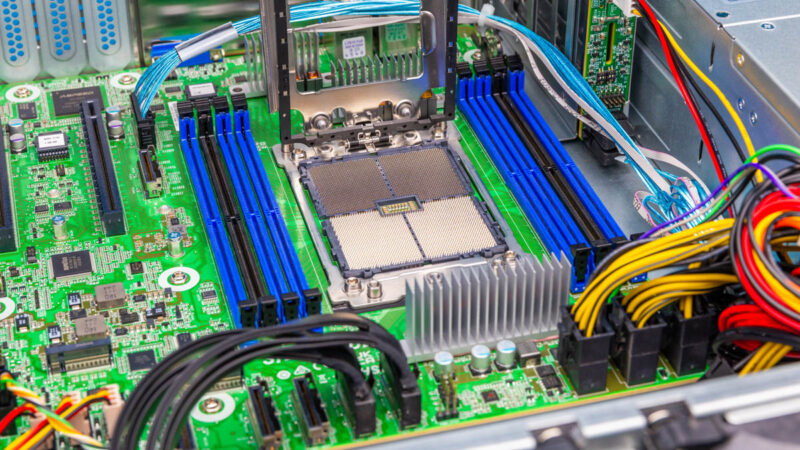
For those who have seen our AMD EPYC 4005 coverage and wanted lower core counts of 8-16 cores but more I/O for storage and networking, and perhaps higher memory capacity, the EPYC 8005 is a major change. The AMD EPYC 8125P with 16 cores and 128MB of L3 cache is $799, and the 8-core EPYC 8025P has a $529 list price. Those last two are really neat parts for those who need something more than the EPYC 4005 and less than the EPYC 9005.
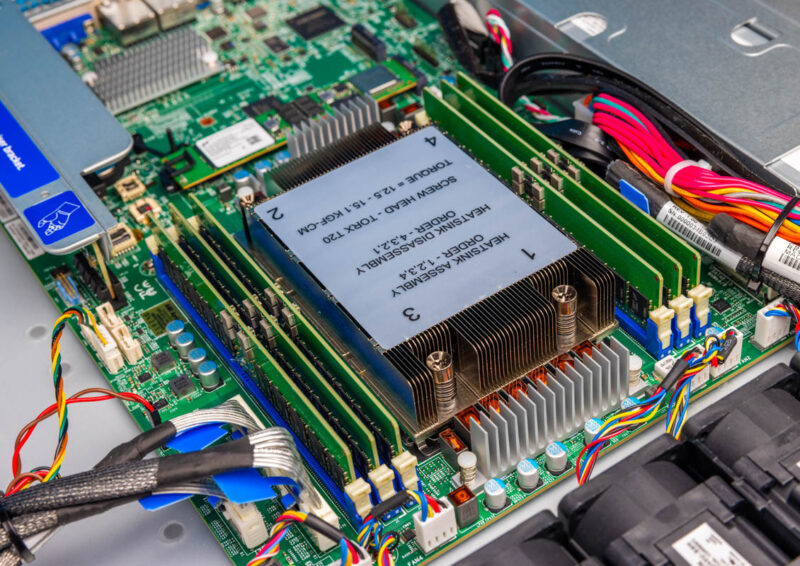
A few years ago, AMD had the EPYC 7001 series, and that was it. Now, the company has several different specialized SKUs and platforms. Moving from Zen 4c to Zen 5 in a line is one of the first times we have seen AMD move a segment from one core type to another.
Final Words
We will have more on the EPYC 8005 series soon. I think folks know that I am a big fan of the SP6 platform (we have bought a few for our infrastructure), and having a lower-power Zen 5 chip with lower-cost server platforms and fewer memory channels to populate is an interesting option for this era of servers, even beyond the telco and edge. Compared to the Intel Xeon 6 SoC Family, AMD has more cores and PCIe I/O with lower power, but does not have the integrated NICs and vRAN Boost accelerators. It will be interesting to see how the new chips fare against the Xeon 6 SoC in the telco, edge, and storage markets. Of course, stay tuned for more.

What is the chiplet/L3 situation? I assume the 8-core AMD EPYC 8025P is using two chiplets with 4 cores enabled and 32 MiB each, and the flagship is using 12x 7-core.
Lot of partially disabled chiplets in this lineup.
How many memory channels / pcie lanes?
6 Channel DDR5-6400 and 96 lanes of PCIe5