

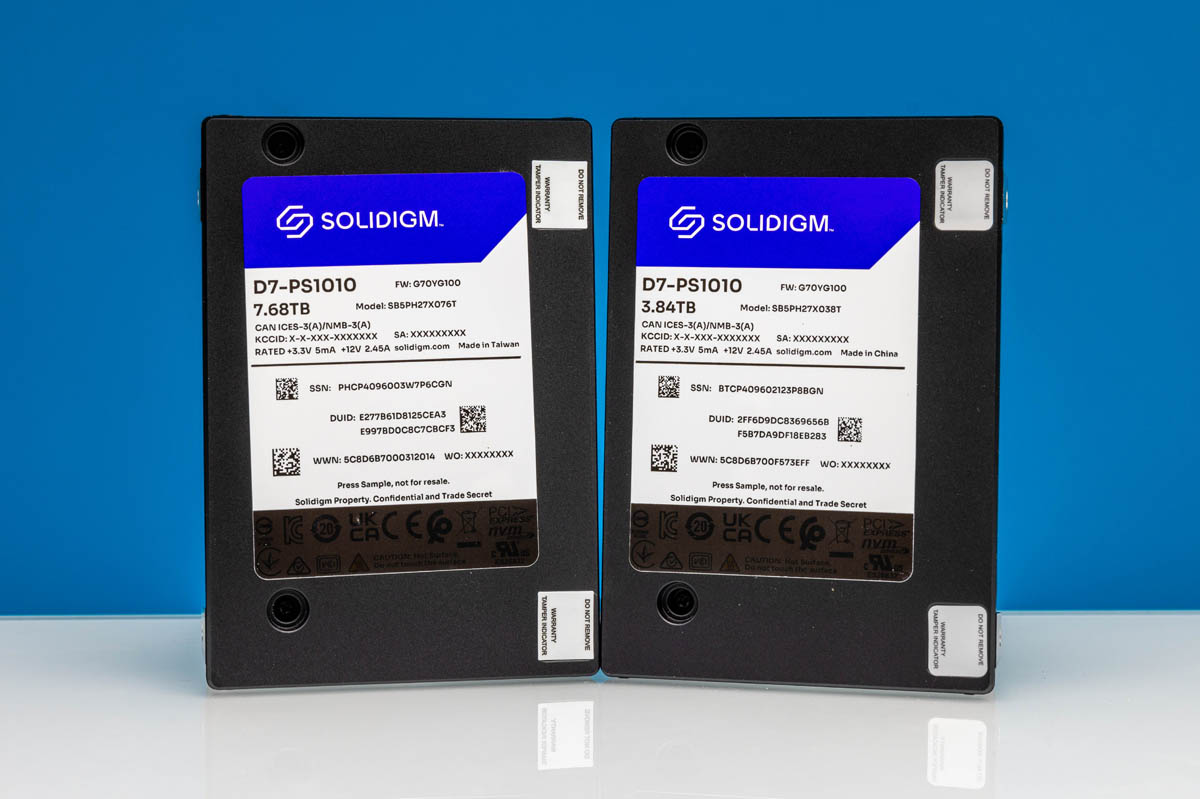
The Soldigm D7-PS1010 is the company’s PCIe Gen5 NVMe SSD that is designed more for mixed to read-intensive workloads. The drive we are looking at today is a 7.68TB model in the 2.5″ form factor. This is a common form factor and capacity for AI systems, so it is a segment rife with competition.
Solidigm D7-PS1010 7.68TB Overview
The Solidigm D7-PS1010 looks different from most of the Solidigm drives with a dark black casing.
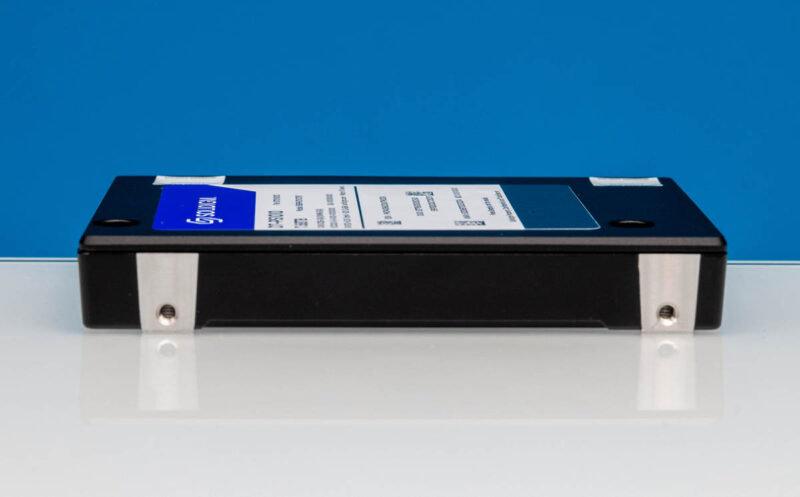
In some ways, it looks more similar to Solidigm’s parent company, SK hynix’s enclosure style. Still, the drive itself is a standard 2.5″ SSD design.
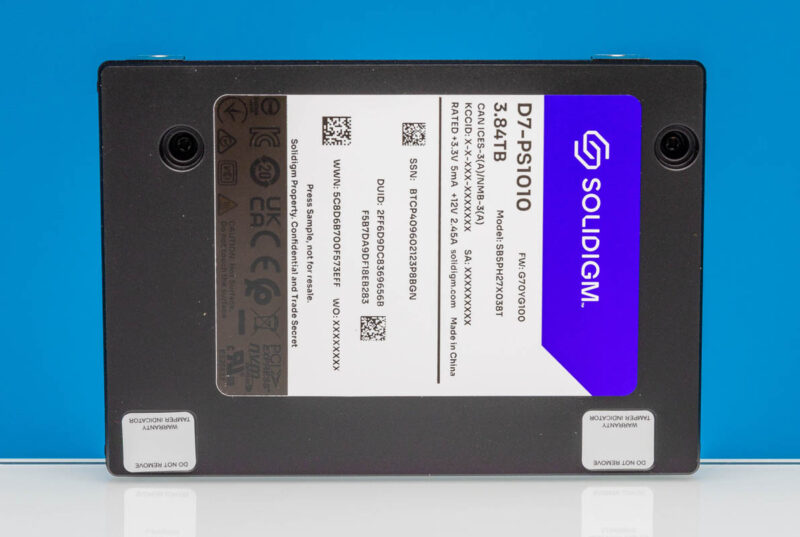
The side opposite the label has shallow heatsink fins.
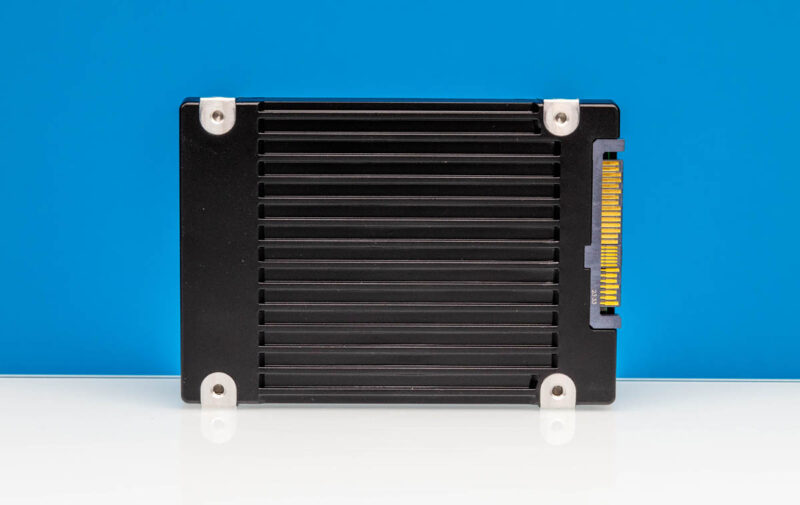
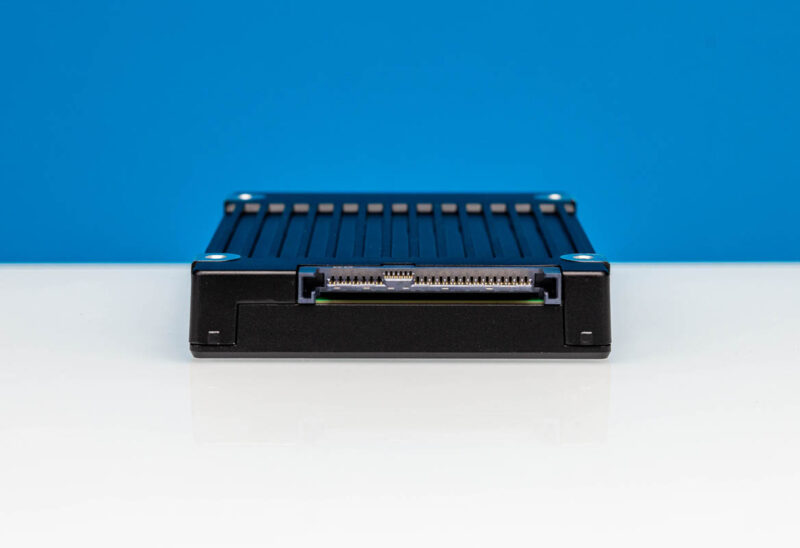
Here we have our power and data connections.
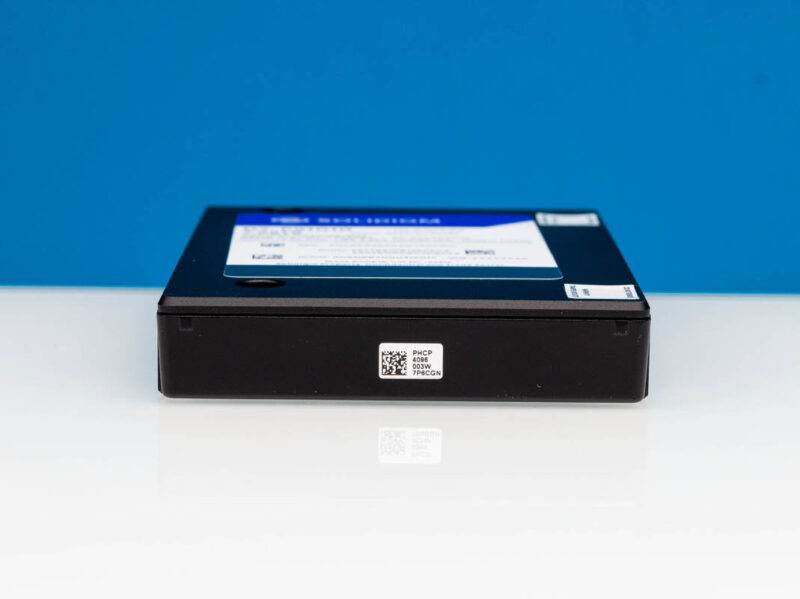
Here is the other side.
There are different form factors for the drive including 2.5″ and EDSFF (E3.S). We are looking at the 15mm U.2 version.
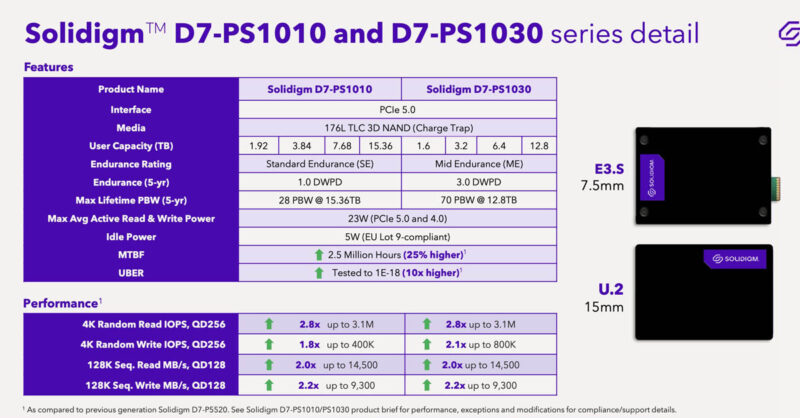
The one drive write per day endurance rating is one that many will point to as they have been accustomed to purchasing 3 DWPD drives. We recently did a used data center SSD survey and found that most drives, even at much smaller capacities, were using well under 0.5 DWPD. On a larger capacity drive like this compared to our sample SSDs, 1DWPD feels generous. If you want to see more specs and slideware, you can see our previous Solidigm D7-PS1010 and D7-PS1030 piece.
Now, we have had the chance to look at one in a hands-on review. Let us get to that next.


The article states “we do not have all working on Arm and POWER9 yet.”
I think Power 9 is out of support but still interesting in a retro-computing sort of way. On the other hand, the latest Power 11 based systems are shipping and it would be interesting to have some reports that focus on them.
If only they made these drives with different performance profiles such as low-queue depth optimized versions (or firmwares).
I purchased a T705 4tb gen 5 drive, after 4 months of use it just died, it wasn’t even a boot-drive, just my desktop folder was junction’d to it. Since then I’ve found this failure is common, many reddit posts, funny why no reviewers have mentioned this fact?!!!
Basically it was a brand new drive, but I am now trying to get a warranty claim on it, and I purchased it new-unused from a seller off ebay, so have no idea if Micron has a warranty service as good as Intel’s used to be or if they’re just going to fob me off because I never purchased it from a shop directly.
We need enterprise drives with low-queue-depth optimizations, I am willing to pay for such a drive as I believe many others will too, surely it is just a firmware tune?……
In my opinion, Power 9 is no longer supported, yet it has some retro-computing appeal. It would be fascinating to see reports that center on the newest Power 11 based systems, which are now shipping.