The Pascari X200P line is a balanced performance PCIe Gen5 NVMe SSD from Phison. As Phison moves from providing controllers and SSDs for other manufacturers to sell and to branding its own drives with Pascari, it is also looking at competing in a number of segments. The second enterprise SSD we are going to look at from them is the Phison Pascari X200P 7.68TB drive. We previously looked at the Pascari X200E 6.4TB. This is a drive meant to trade some performance for higher capacity. Let us get to it.
Phison Pascari X200P 7.68TB Overview
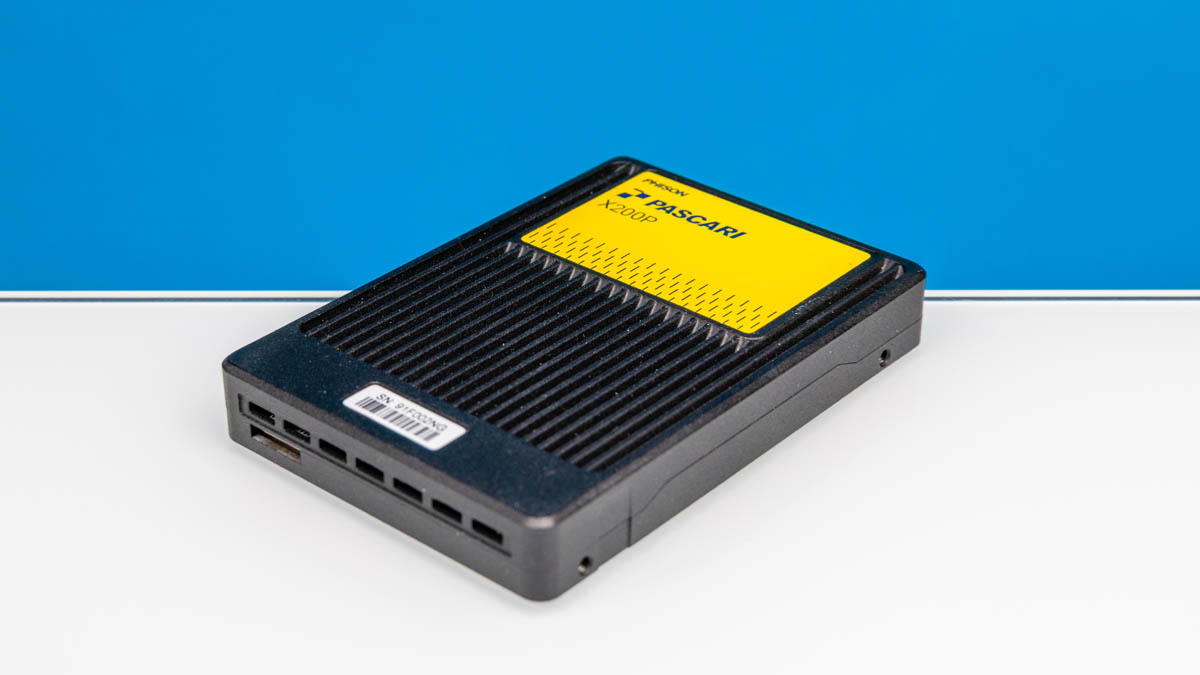
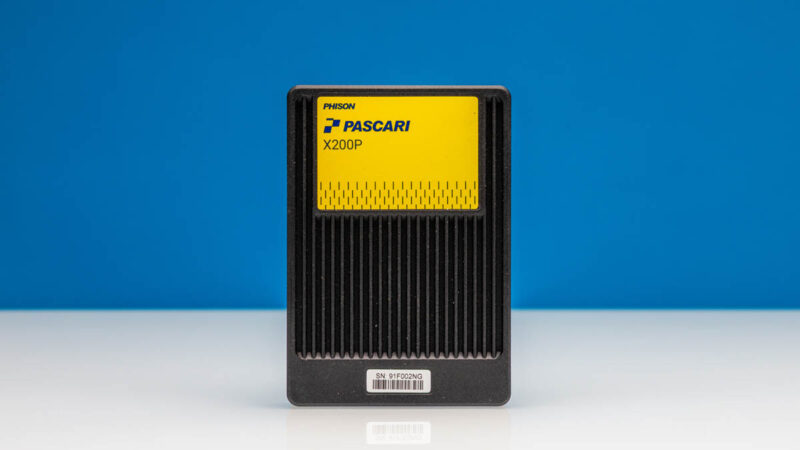
The Pascari X200P we are looking at is a 2.5″ U.2 design that will fit into most servers.
If this looks familiar, here was the X200E drive that we reviewed previously.
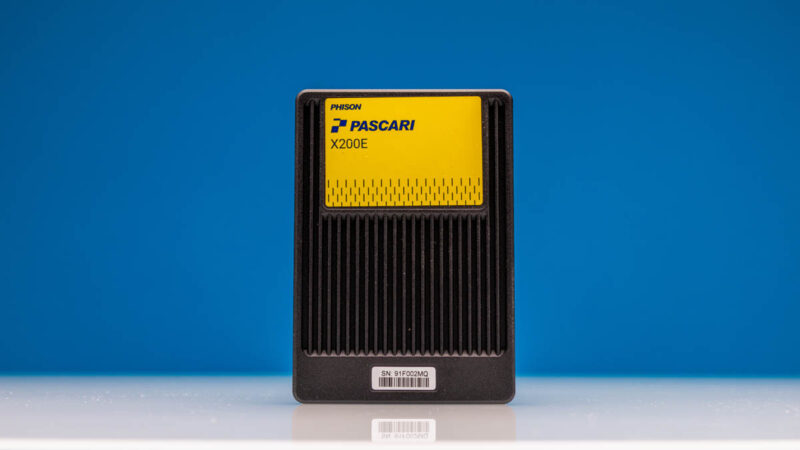
While many SSDs have flat sides, the X200E has small heatsink fins on one side.
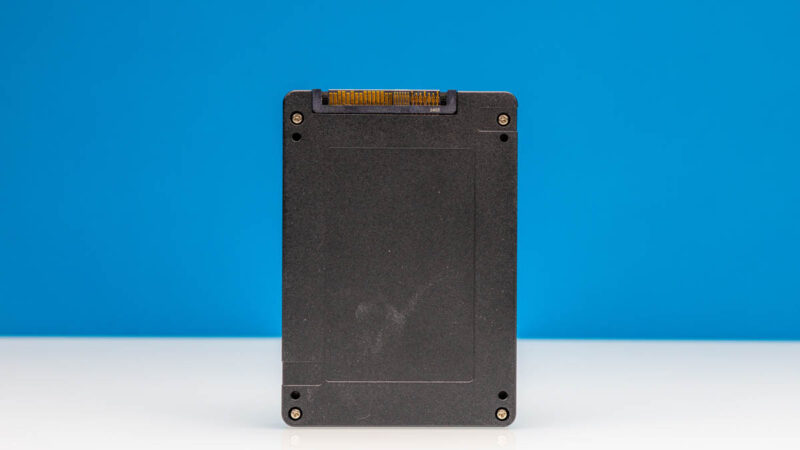
On the end, we have our power and data connections.
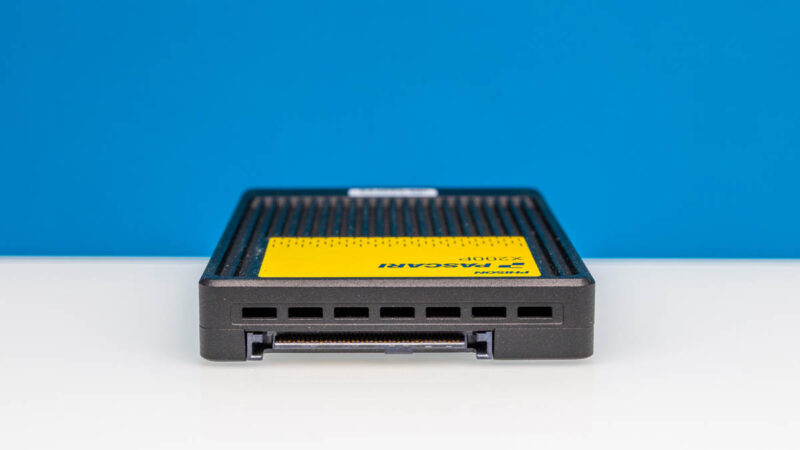
Here is the other side.
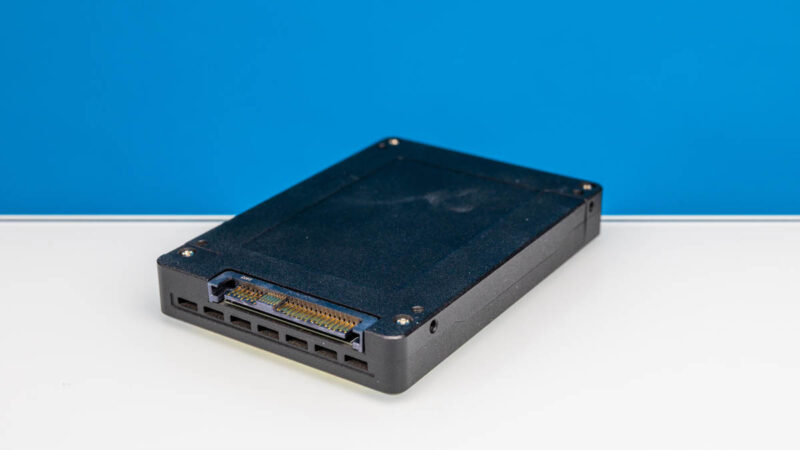
This is one of the more interesting drives because it is one where one trades some capacity for performance. Here are the different capacities that are available from the spec sheet:
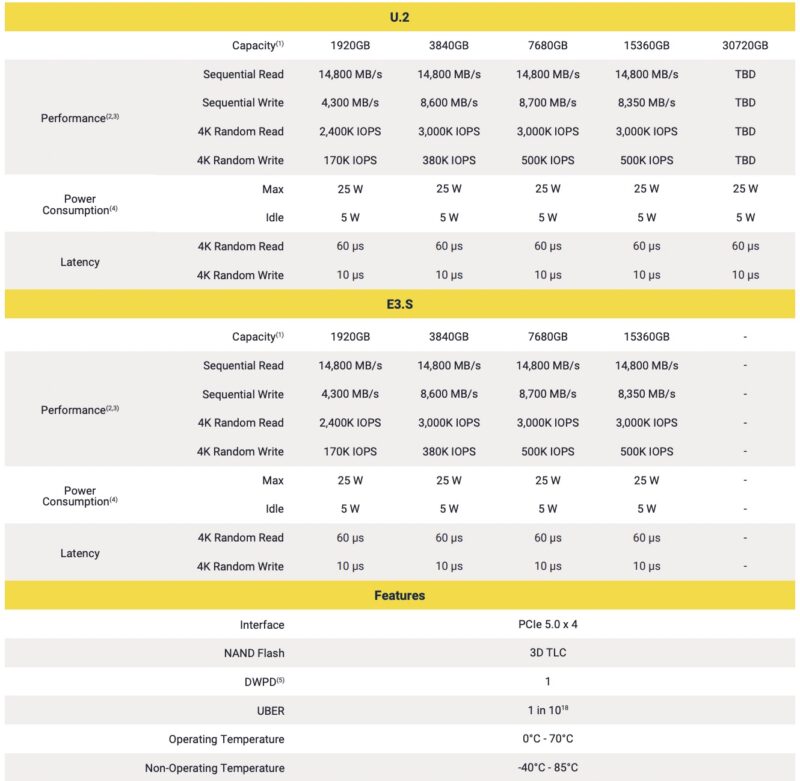
This drive is designed to scale up to 30.72TB but it seems like the 7.68TB drive gives us the best performance. Something worth noting is that the 1.92TB drives is a significanly lower write performance and random 4K read device. Maybe the bigger takeaway, however, is that the other capacities are not at the same level of performance that this drive is and that the peformance varies. We expect Phison drives to hit their spec sheet performance numbers, if not exceed them by a bit. As a result, if you are looking at a different capacity, it is probably worth checking the spec sheet for the performance. Now, we have had the chance to look at one in a hands-on review. Let us get to that next.