

Testing and Burn-In in the Environmental Rooms
The Franklin facility has multiple environmental rooms to turn on servers and go from assembly to ready-to-ship to customers.
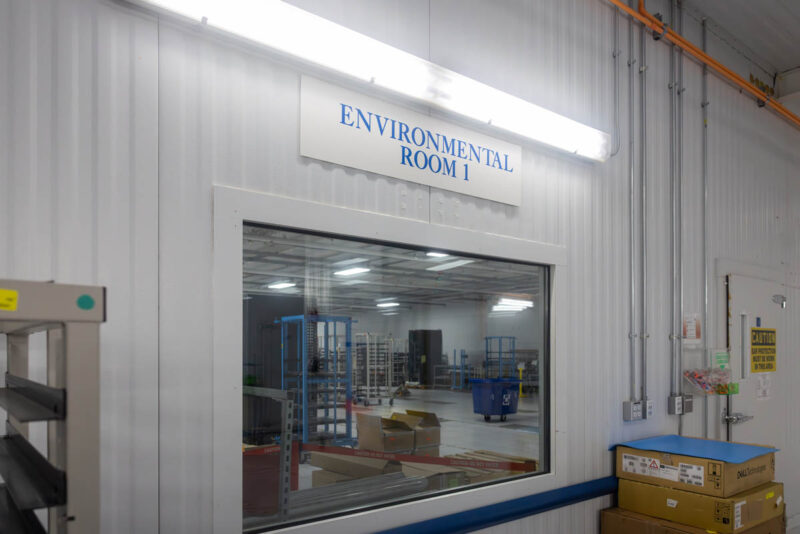
If you are up-to-date on AI system development, then you know that future generations are going to have even more power and cooling demands than these systems that currently use 120-140kW per rack. Just from what I saw, it appears as though Dell’s plan is to alternate uses of these rooms so one can be used to produce a generation of systems while another can be built to produce the next generation. Once a generation completes its production run, that room can be updated to produce a future generation. That may not seem like a big detail, and Dell can decide to use these however they want in the future, but the large facility offers this so that production of the current generation can continue at full speed while the next generation is ramped.
The exciting one of these when we visited was Environmental Room 4 as that is where all of the action was taking place.
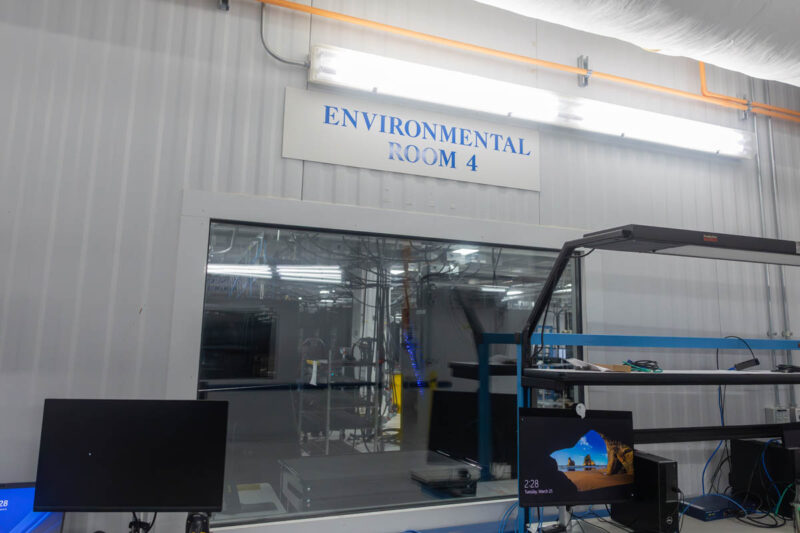
This area was also loud. The folks working in there had very fancy ear protection.
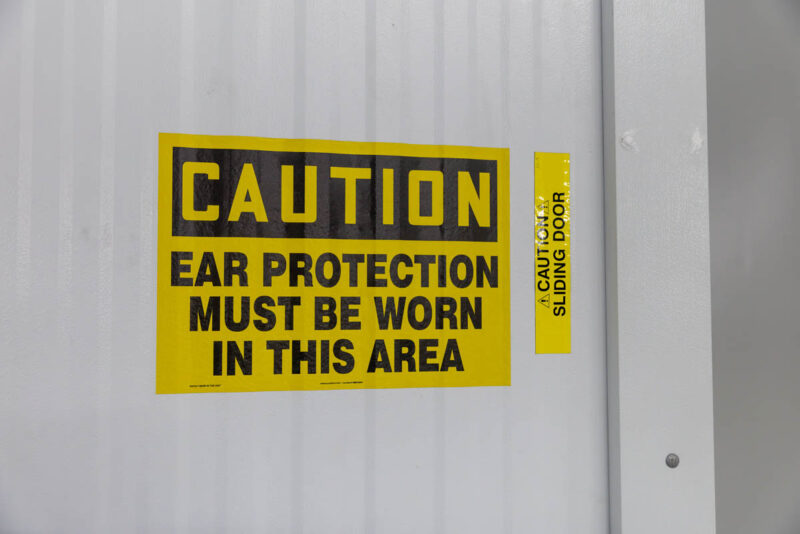
That was a good thing since my watch was giving me warnings about the noise levels.

Inside this room, there were many fully assembled racks being turned on and tested.
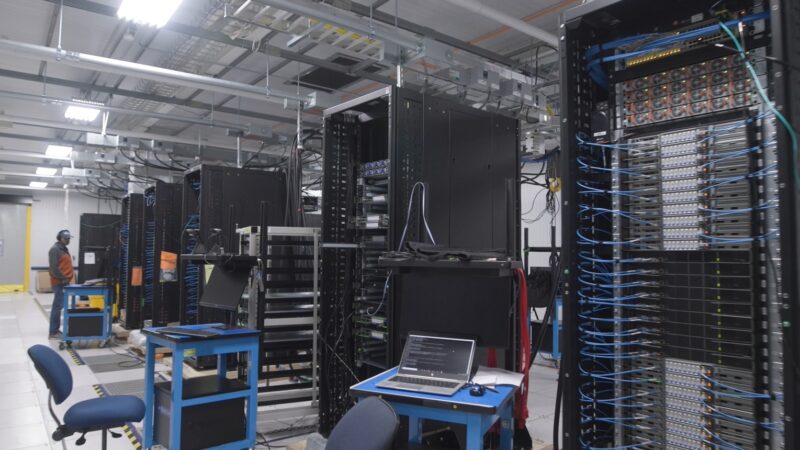
Dell needs to ensure not just that they work, potentially in different operating environments, but there are also simple steps that need to happen here. As a great example, just like your PC or phone, these need updates installed for all of the firmware across different device classes. Should anything fail here, then engineers need to determine how to fix them before being shipped to customers.
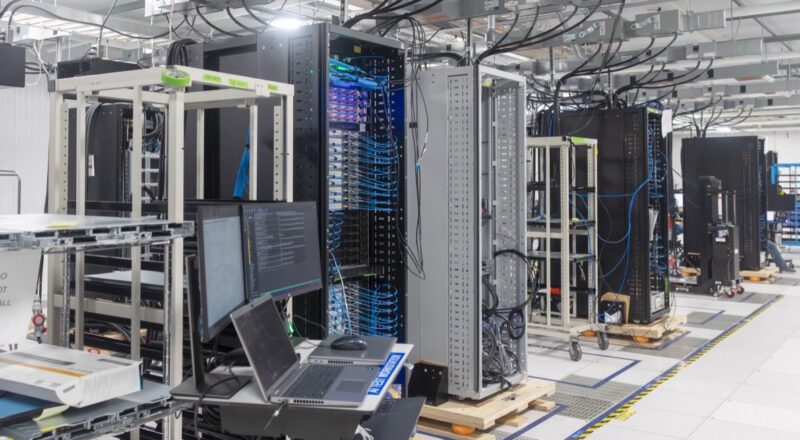
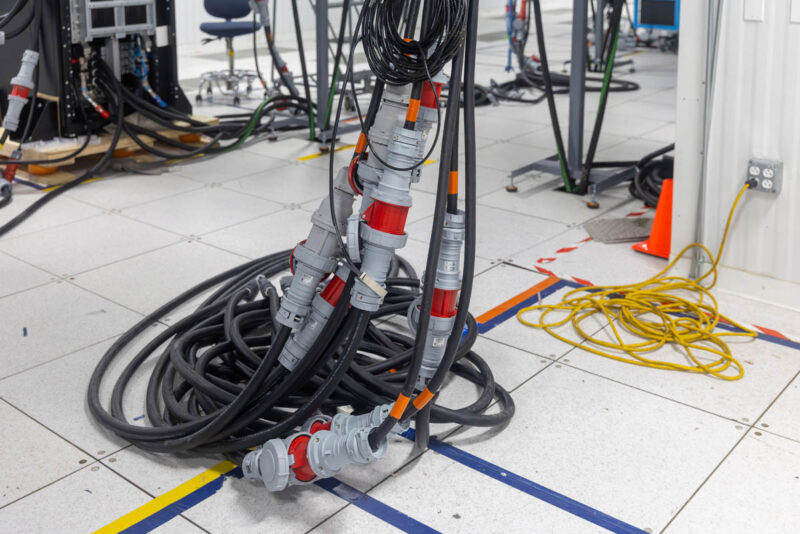
If you are counting systems in the video version of this, then you will realize this room’s power delivery needs to be in the MW, not kW scale. That also means that Dell has large CDUs for the floor because these systems also generate a tremendous amount of heat.
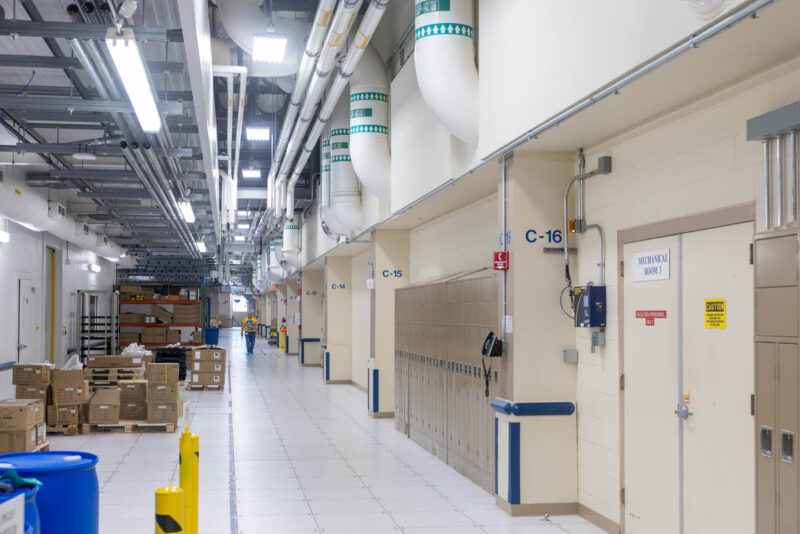
Something that you notice walking around the facility is the number of large pipes going through the building. The factory has on-site chillers to handle all of this heat. A common misconception is that water to cool servers is always just dumped and therefore lost. Realistically, most of it has the heat removed and then recirculated through the facility.
That is really the liquid-cooled manufacturing floor, but there is a lot more going on in Franklin.


I’m loving your tours. I’m also appreciative that you’re doing the article not just the video
Also really enjoying these tours and the peek behind the curtain. Reminds me of types of journalism that tech sites used to do so well before consolidation hit and they became ad heavy, AI content mills.