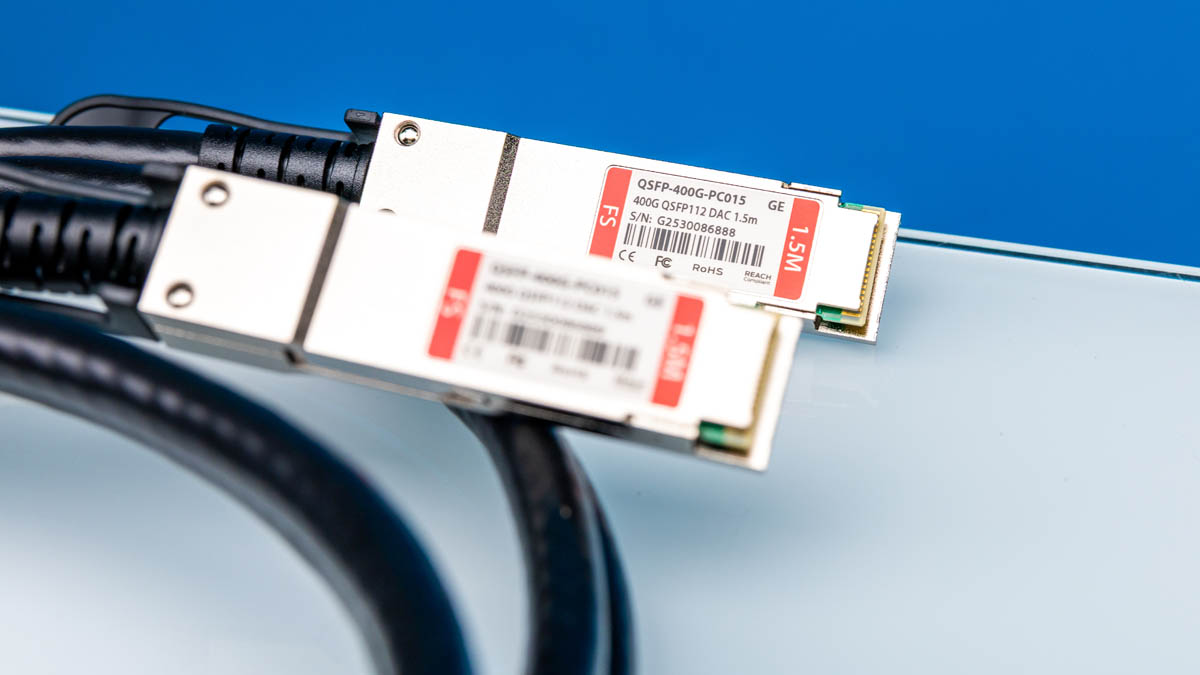
During our recent NVIDIA ConnectX-8 C8240 800G Dual 400G NIC Review, we needed the ability to hook up two of the cards back to back. As a result, we purchased a pair of FS QSFP112 DACs and figured we would at least take a quick look at them.
FS QSFP112 400Gbps DACs Overview
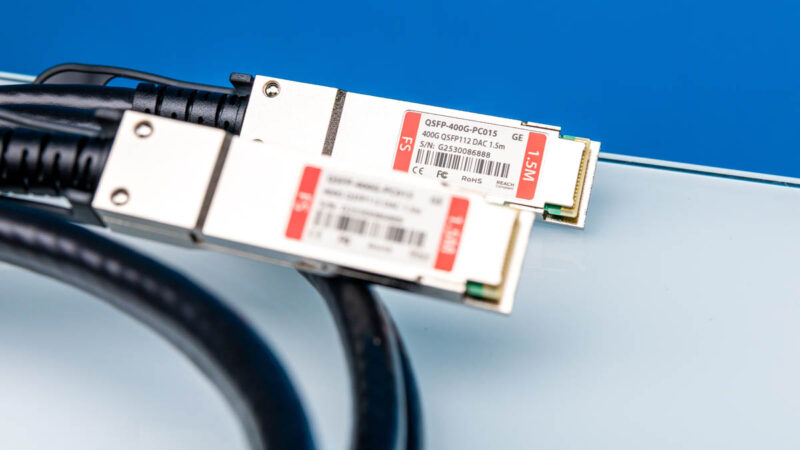
We purchased two of these DACs at 1.5M. As a quick note, we probably could have gotten away with 0.5M cables but got longer ones just in case we needed the extra reach in the lab.
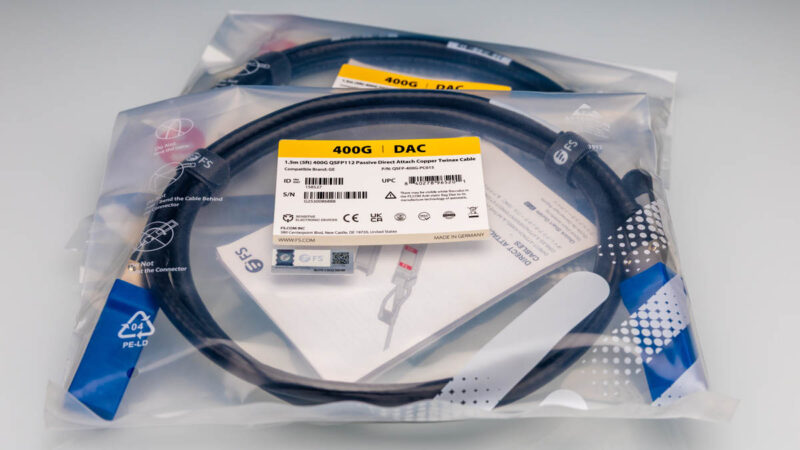
Here is a quick look at the label.
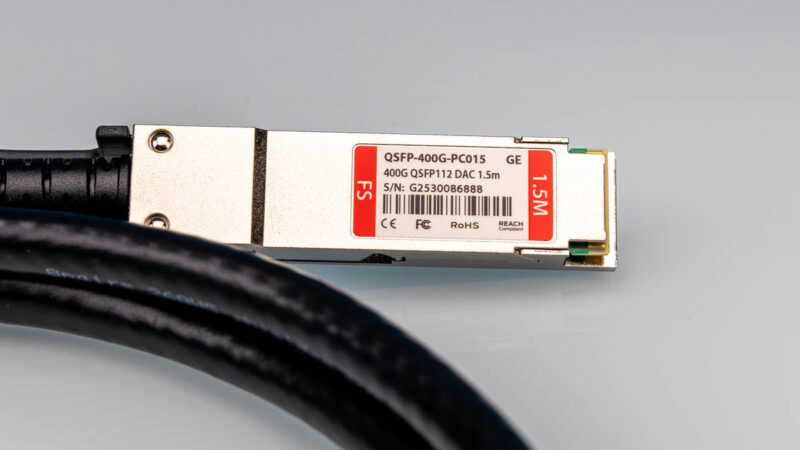
We mentioned this in our previous ConnectX-8 review, but we are using the C8240 versions, which have two QSFP112 400G ports. There is also a C8180 version with a single OSFP 800Gbps port, a different physical port.
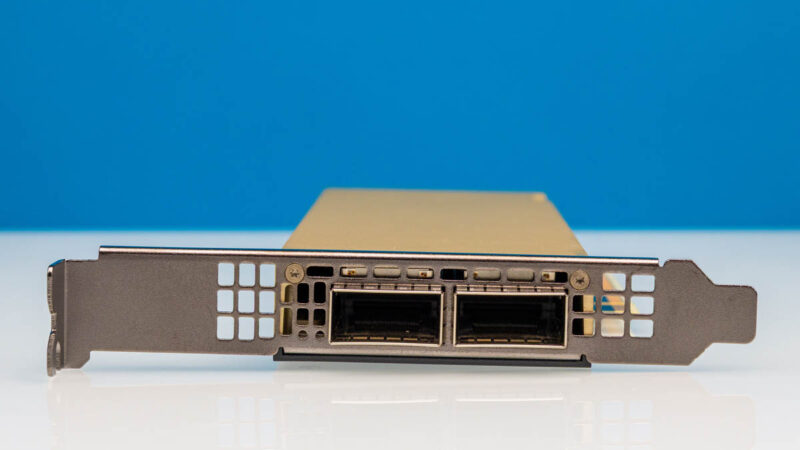
You may have also seen switches like the MikroTik CRS812-8DS-2DQ-2DDQ-RM Review the QSFP56-DD being used for 400Gbps networking. This doubles the baud rate with QSFP112, so we need half the number of lanes (four) versus eight lanes with the QSFP56-DD. Years ago, we reviewed the FS 400Gbase-SR8 400GbE QSFP-DD Optical Transceiver, and that SR8 is a good example of needing eight lanes instead of four, hence the need for double-density connectors. With QSFP112, we do not need the double-density connector.
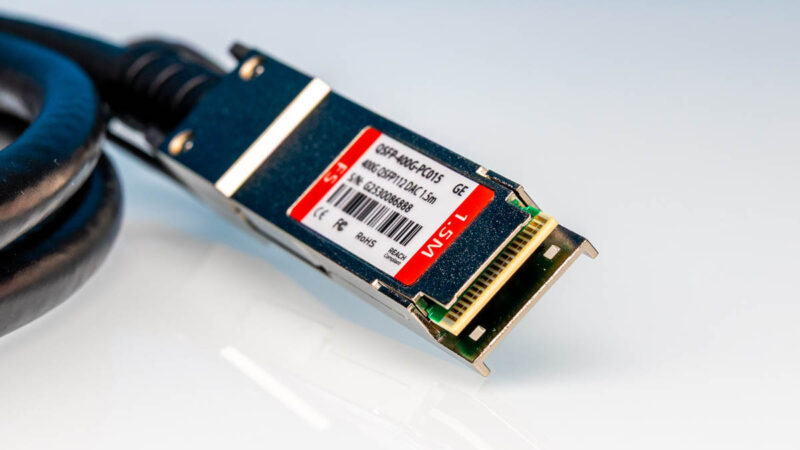
Here is a look at the other side of the connector.
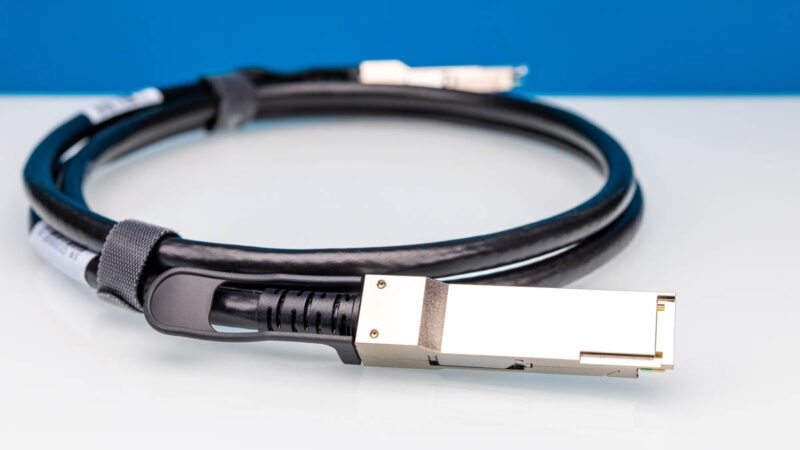
The black cable is marked with BizLink Special Cables Germany.
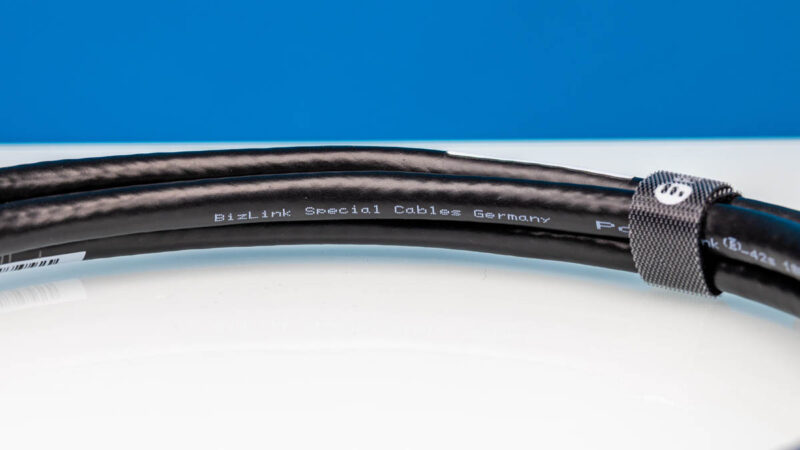
You may not notice this from photos, but these cables are quite thick. If you were accustomed to QSFP+ or SFP+ cables, then something like this at 10x the speed will be very different because the cables are much thicker and are harder to bend. This is becoming very noticable in newer generations of DACs.
Final Words
This is just a short piece to show you the cables. They are not cheap, and we need them for the lab, but we wanted to at least show them off so folks can see what they look like.
We are mostly going to use the ConnectX-8 NICs with the NVIDIA SN5610 switch using the Massive NVIDIA 800G OSFP to 2x 400G QSFP112 Passive Splitter DAC Cables, but we will use these if we ever need to connect directly to QSFP112 devices.