

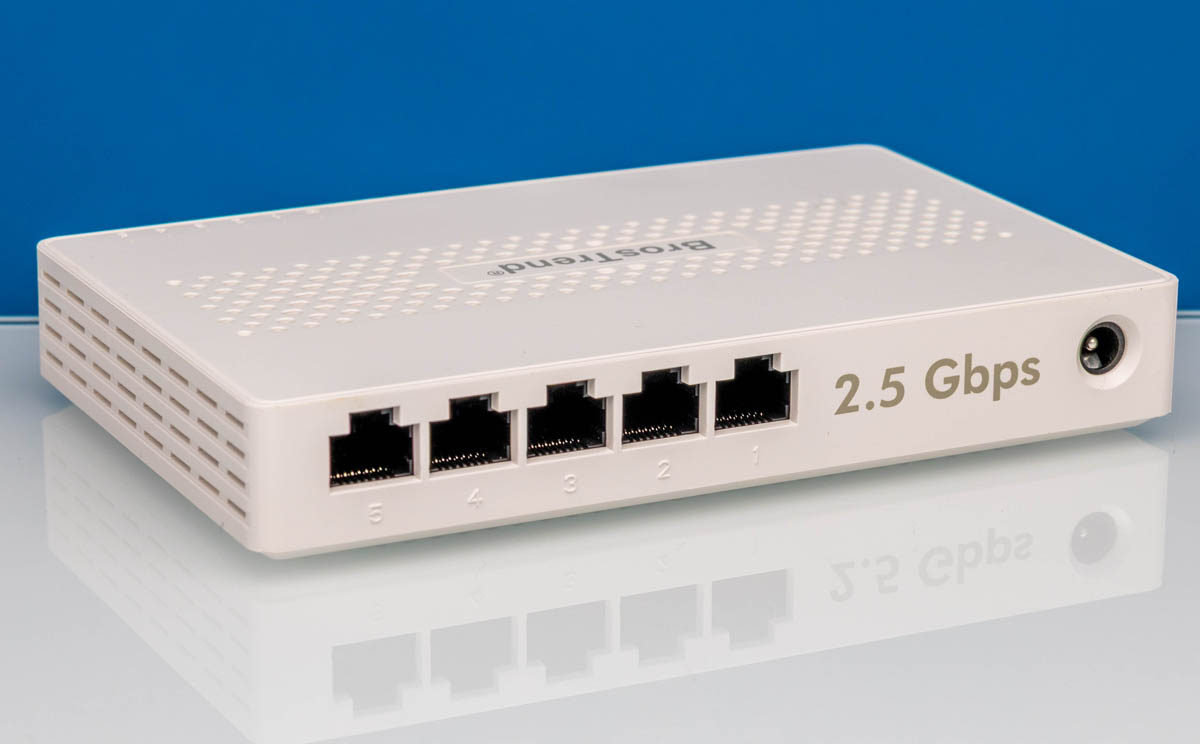
We were refreshing our Ultimate Cheap 2.5GbE Fanless Switch Mega Guide, and noticed a few models we had not tested before. We found this BrosTrend S2 5-port 2.5GbE unmanaged switch that was a top 5 seller on Amazon, so we ordered one to try out. For $49 normally, and often $38 or less on sale, we thought this was worth a quick look just because it seems to have become popular after we did our Mega Guide when we could not even find these switches.
If you want to check current pricing, here is an Amazon Affiliate Link.
BrosTrend S2 5-port 2.5GbE Switch Hardware Overview
Starting with the faceplate, we get five 2.5GbE ports and a 12V 1A power input.
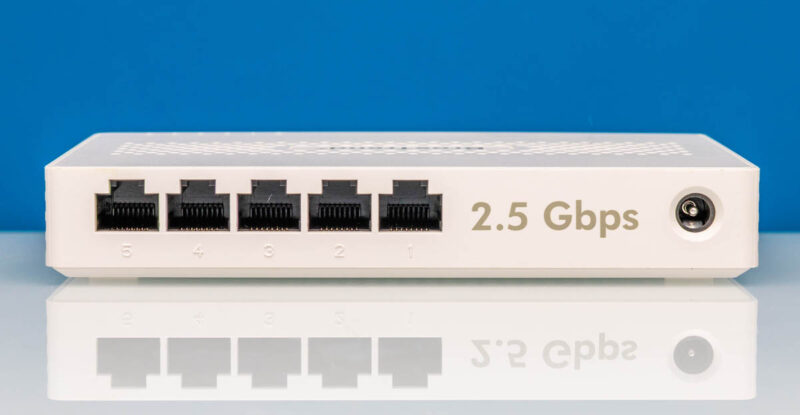
Looking at the front and rear, you may think that we just put a “2.5 Gbps” using Photoshop on the switch, but that is actually what it looks like. The port numbers are injection molded in plastic, but that “2.5 Gbps” is printed. It is almost like they saw white space and felt they needed to fill it on the front. Then we move to the rear and it is just plain without type on it.
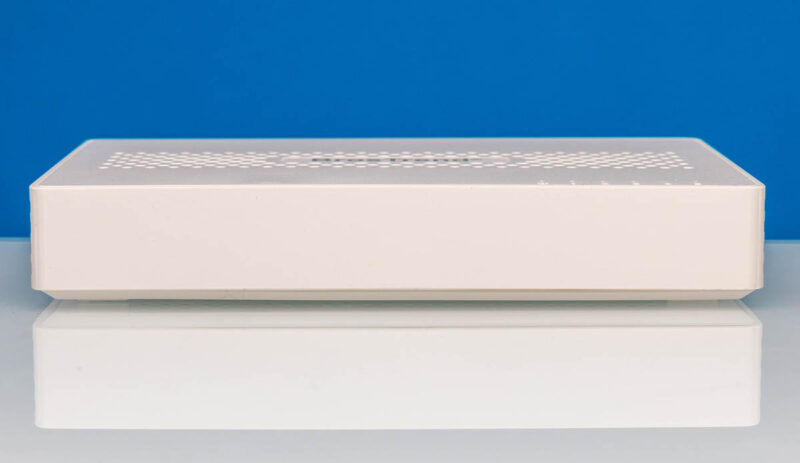
The entire chassis feels cheap and is made of plastic.
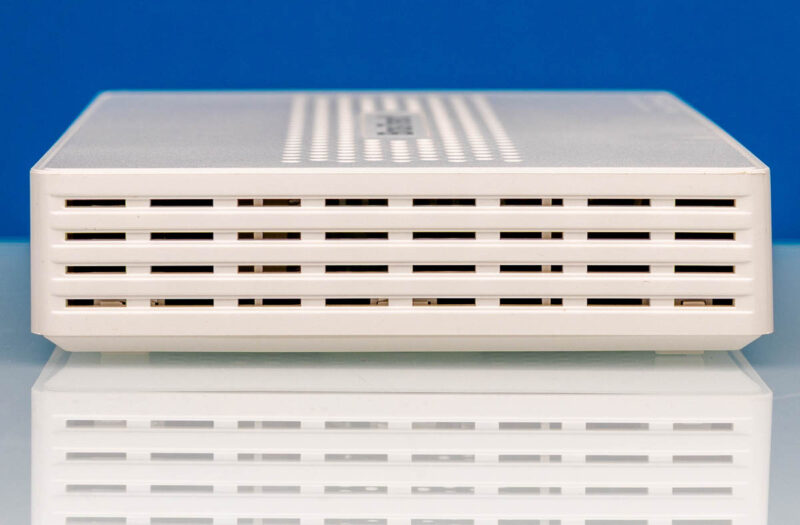
Both sides have vents to help the plastic breathe.
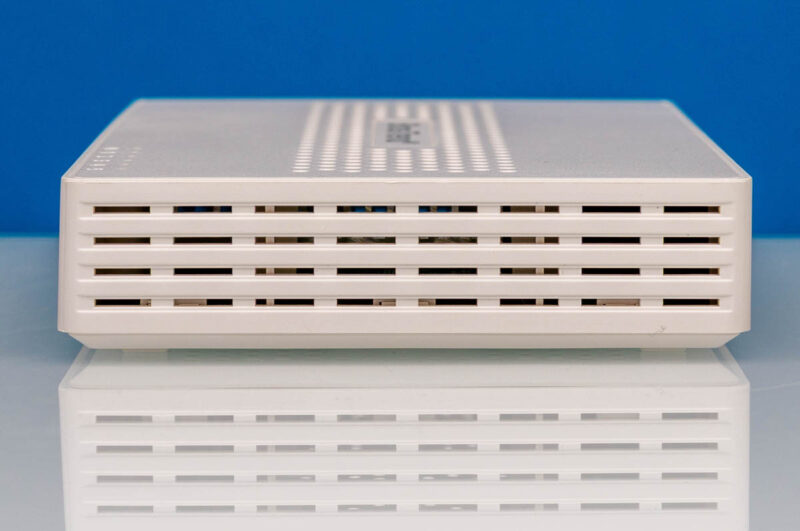
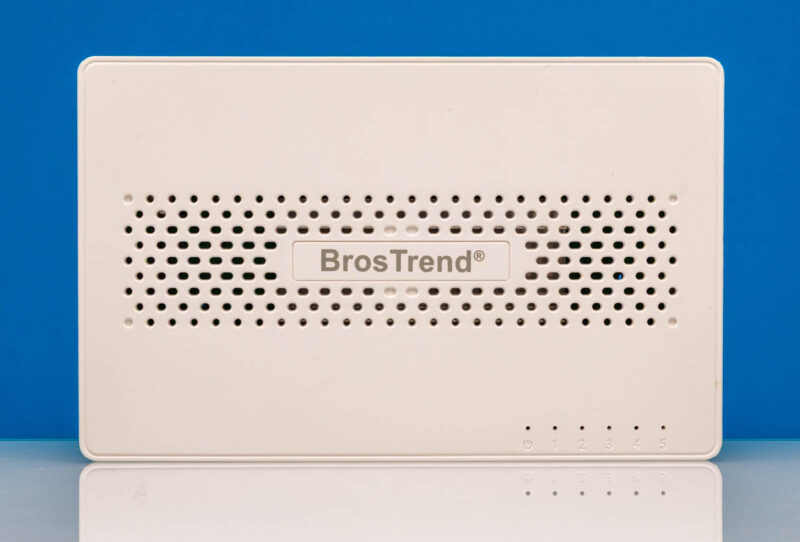
On top, we get the BrosTrend logo and more vents. We also get the status LEDs.
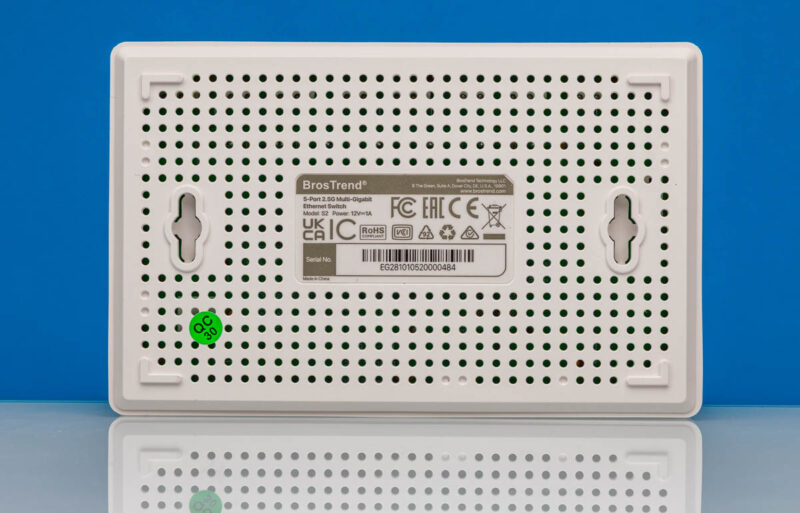
On the bottom, we get more venting and a label. We also get two mounting screw points. This is cheap enough that instead of rubber feet, we just get plastic feet.
Getting inside was not overly difficult, but we certainly snapped some plastic clips in the process. There are no screws here to save on manufacturing costs.
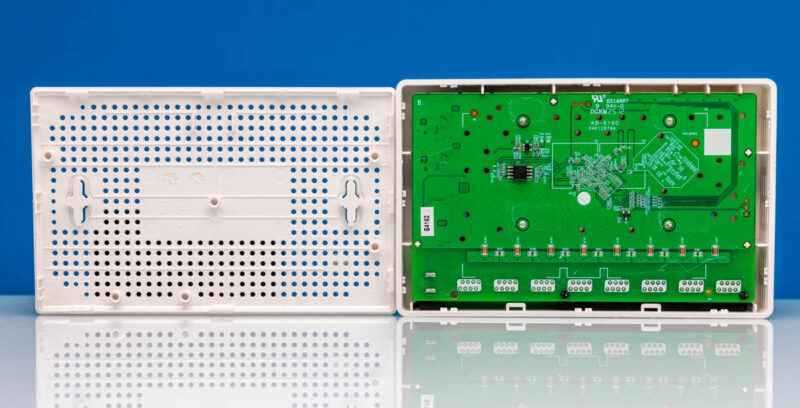
Here is the back of the PCB:
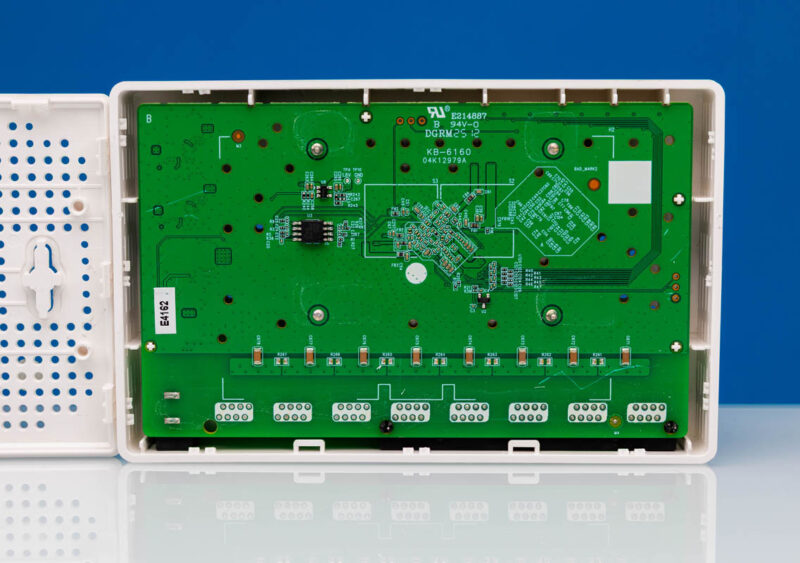
Those two squares made us think for a moment that this was a two-chip solution. Popping the PCB out, we learned a lot. First off, the PCB is meant for both this and the 8-port version (review of that one coming in a week or so.) You can see three more places for more ports on the bottom/ front as well as three additional status LEDs on the top/ rear of the PCB.
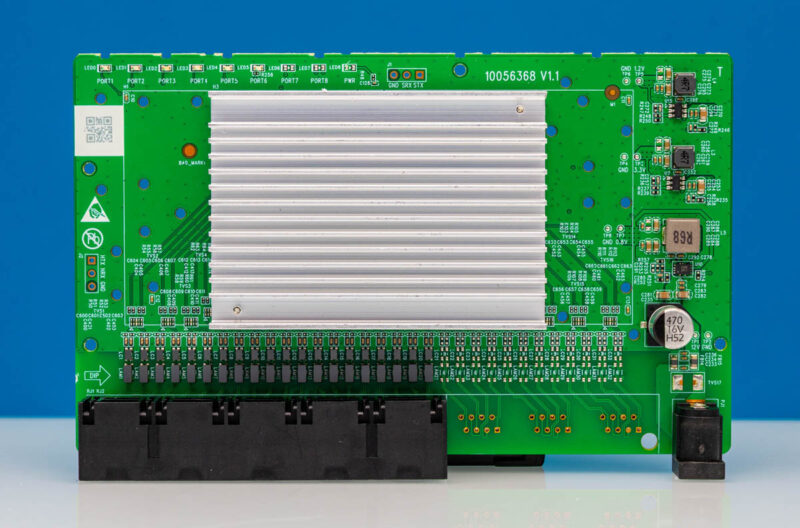
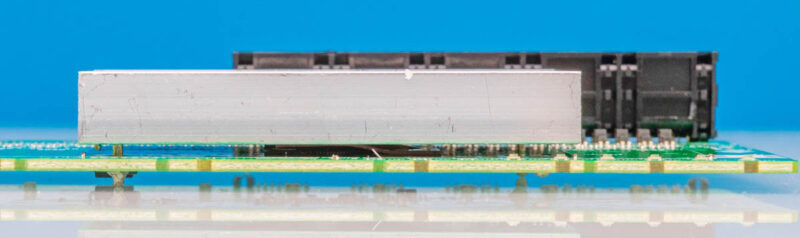
Inside, BrosTrend says this switch uses a MaxLinear chip rather than a Realtek chip. The heatsink was soldered, so we did not want to break it. Hopefully, this photo shows there is a single chip rotated 45 degrees compared to the PCB underneath.
Next, let us see how it performs.

It would be great if you could check if switches like this supports IEEE 1905.1.
Some mesh systems, such as Tp-link deco require it for EB:
https://www.tp-link.com/en/support/faq/1794/
At least some 2.5G switches such as HiSource K0802WS, don’t support it:
https://www.reddit.com/r/TpLink/comments/14o0osg/deco_ethernet_backhaul_megathread/
So .. could some soldering and creative cutting create an 8 port version?
@F Naam looking at the PCB photo there are two sets of what look like some sort of serial interface (J1 and J2, with GND, SRX, STX and HTX, HRX, GND, respectively); and the 8-pin SOIC on the back, while I can’t make out the model number, looks a lot like the basic low capacity SPI flash chips that show up everywhere; so I wouldn’t be entirely surprised if there’s more to it than just populating the headers, you don’t cost-reduce this hard and leave components that suggest a configuration if you could omit them.
I would be a lot more surprised if anyone has gone to any real effort in DRM/tamper resistance; though finding some obscure and totally undocumented output of a Maxlinear partners-only config tool would be likely; doesn’t seem like the sort of product where you’d blow the cash on hardware roots of trust and efuse-backed SKU differentiation.
It would be interesting to see what happens on those headers if you gave them a poke/listened to them at the appropriate logic level; though, for the modest premium a vendor like this is going to charge for the 8 port variant, you’d have to actively enjoy the time spent working on the project for it to make any sense economically.
I was torn between this and the ubiquiti 2.5gbe flex mini, other than USB-C, i think id ratehr save my money and go for this, , huzzah saving money and not losing outrageous amounts of performance