

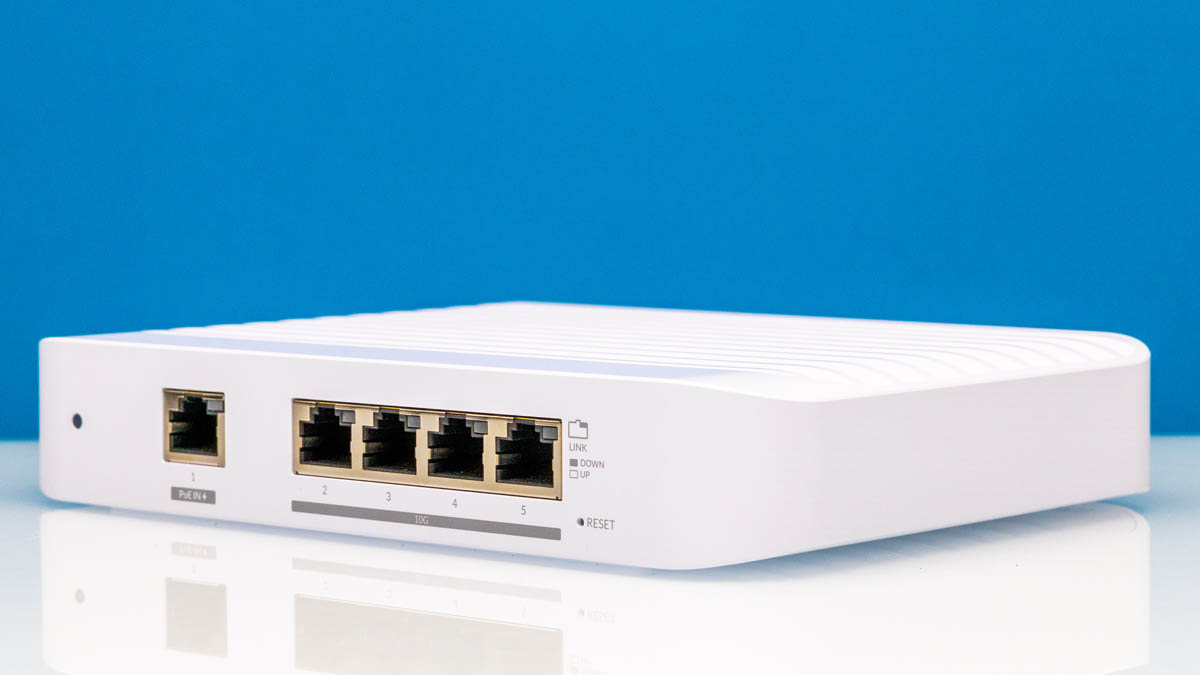
The Ubiquiti Flex 10 GbE USW-Flex-XG is a switch that many on STH have asked us to review for some time. This is Ubiquiti’s 4-port 10Gbase-T switch with an additional 1GbE uplink port. It costs around $299, or about $100 more than the MikroTik CRS304-4XG-IN. While the two share a lot in common, there are some significant differences in their implementations that will be worth highlighting. For example, we thought they would use the same Marvell Prestera chips. While they use the same PHY chips, they actually seem to be using different switch chips. With that, we ran a quick opportunistic test directly attached to our Keysight CyPerf machine, recently updated to offer over 2Tbps of load capacity to collect additional data on this one, and there was a difference.
We purchased this unit so we could give it an independent review and show inside. This is not the newest product, but it is popular so we thought we would give it a look. If you want to support these efforts, you can buy from B&H (affilite link) or elsewhere (here is an Amazon Affilite link, but check the sellers there).
Ubiquiti Flex 10 GbE USW-Flex-XG Hardware Overview
First off, the switch is very sleek. At 5.3×7.3×1.3″ or 135x185x32mm this certainly does not feel like a small switch. On the other hand, it looks good.
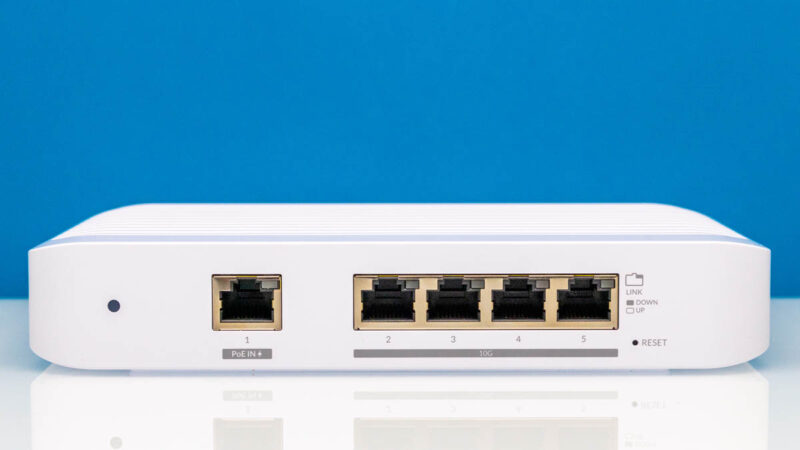
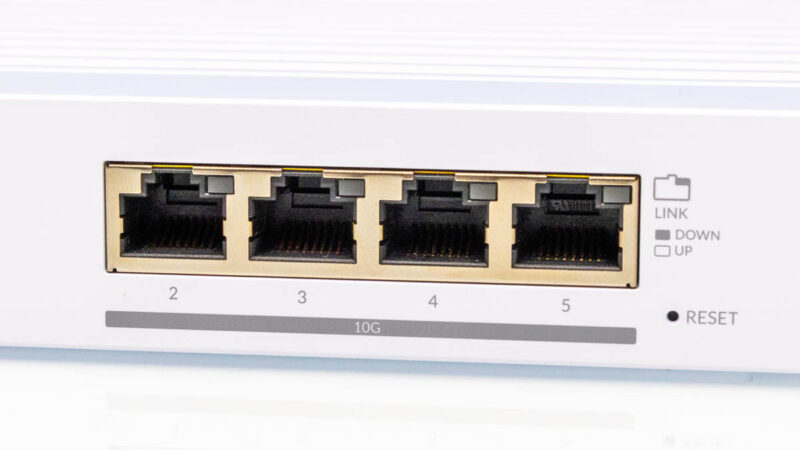
The big feature is a set of four 10Gbase-T ports.
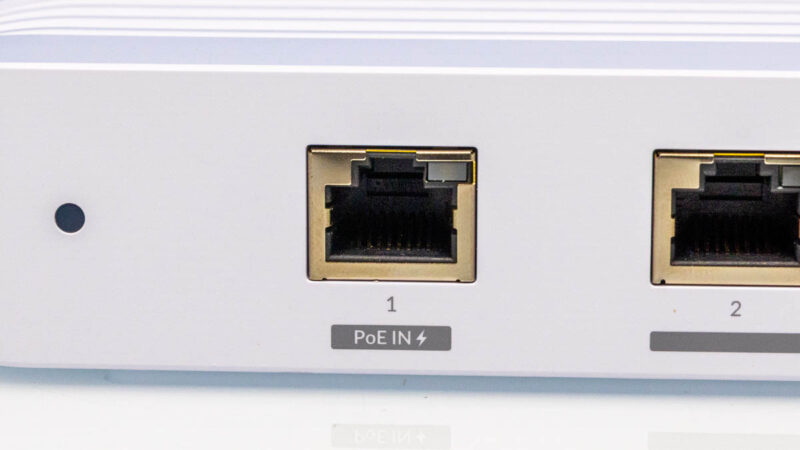
There is a 1GbE port that can be used as an uplink, but it can also power the switch.
On the back, we get a Type-C port for the power input.
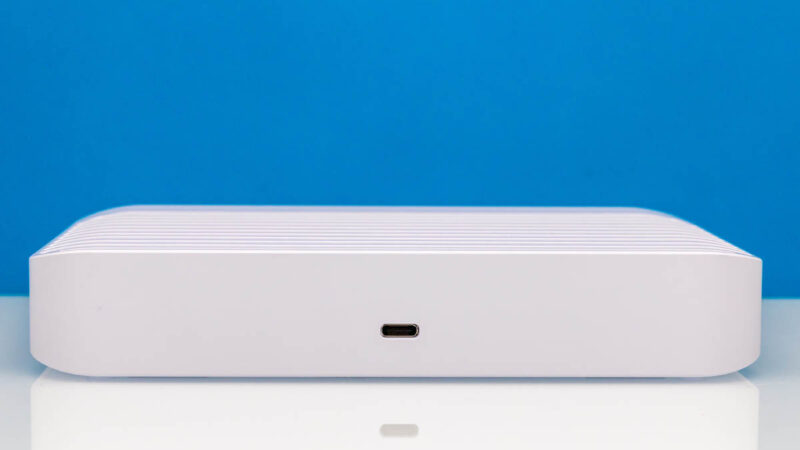
On the bottom, we get rubber feet.
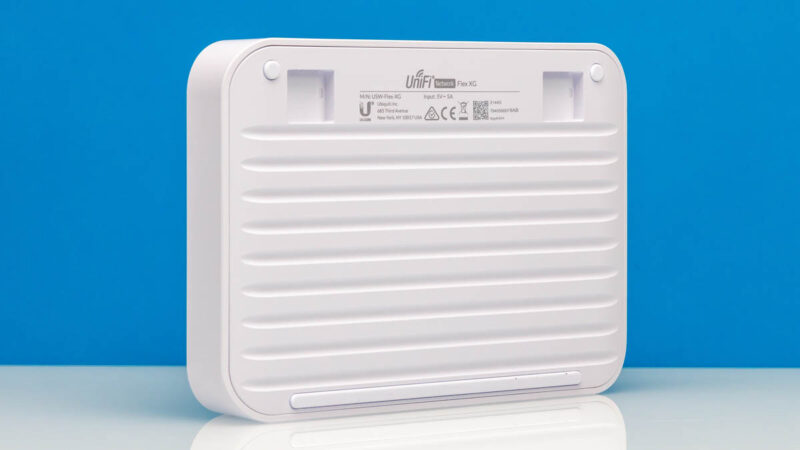
Ubiquiti also has a mounting kit.
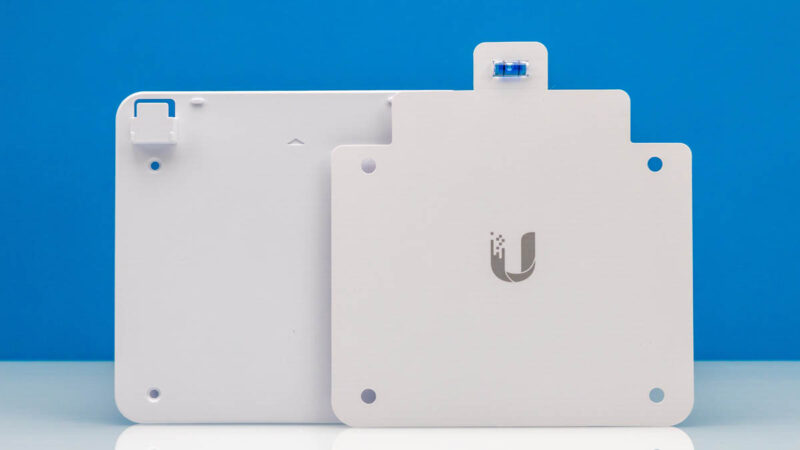
Here is a look at the wall mount.
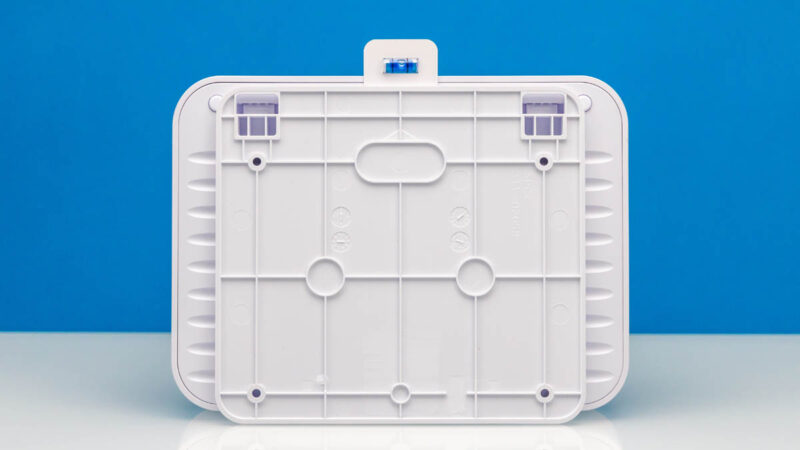
We even get the mounting hardware.

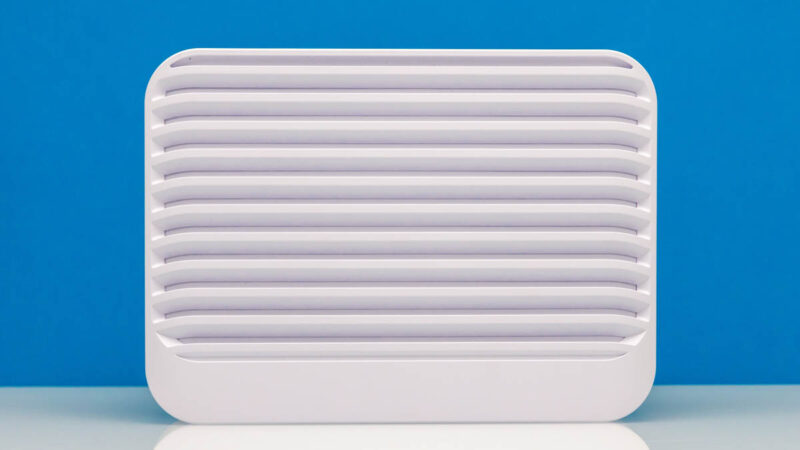
On top, we get the same design language of what looks like wavy fins.
Here is a side view of the fins. These feel like they are plastic.
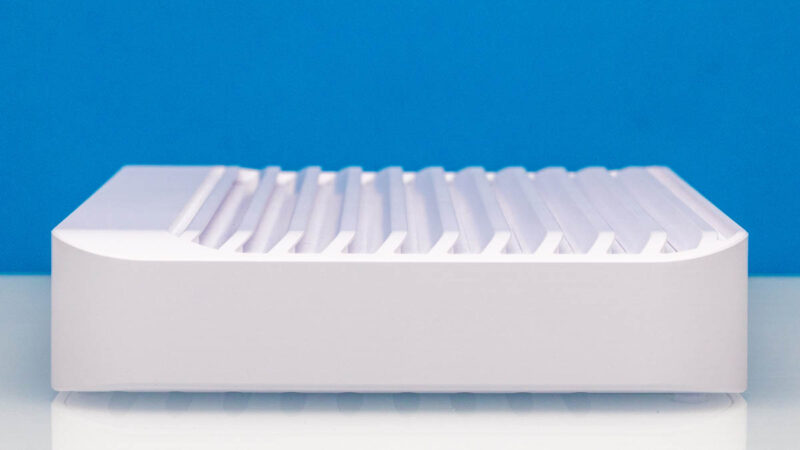
Generally, we would suggest wall-mounting or desk-mounting these, but we would not recommend stacking other switches or gear on top of these fins. We have seen the switch run hot, as many of these passively cooled switches do.
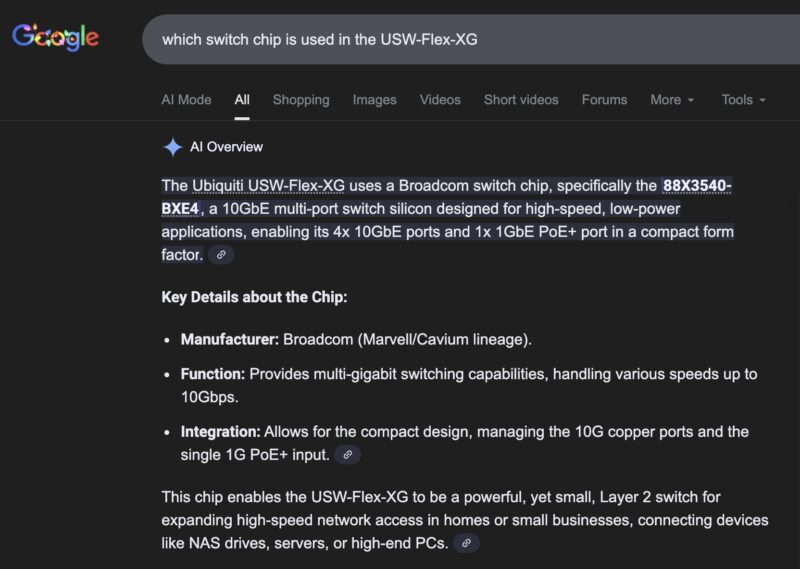
Before we get inside the switch, we wanted to note a bit on why. We purchase these units because we do not pre-share reviews, and we do not want to have restrictions on whether we can open them up and show you. Here is what is really scary. This is not a new switch, so we thought we would just see if Google could give us an answer. The first result was that it is a Broadcom 88X3540-BXE4. It is using a Reddit post for its information, where someone says that Ubiquiti is using the 88X3540-BXE4 (which is actually a Marvell, not Broadcom part.)
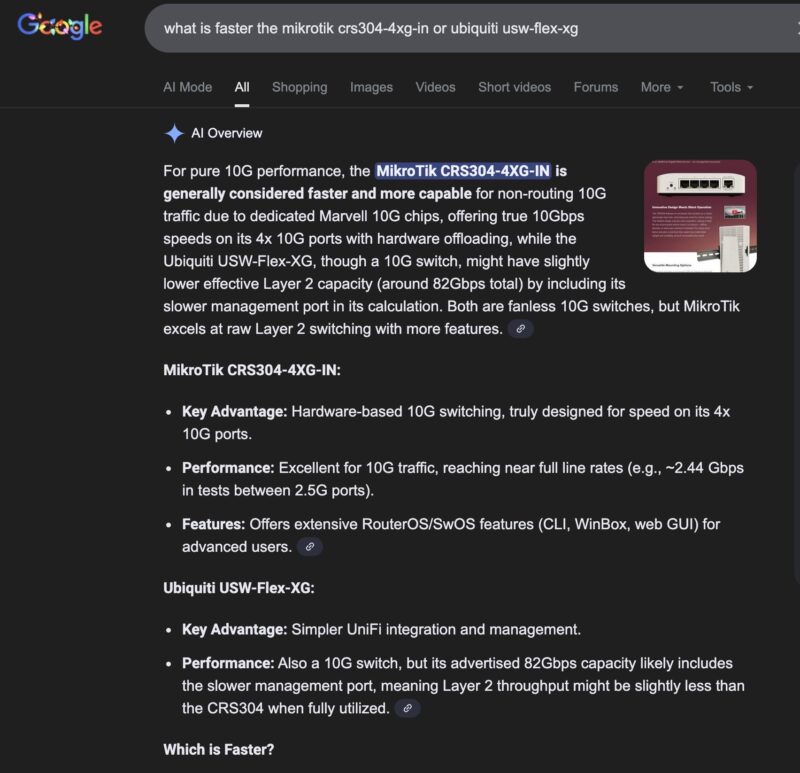
When we asked which was faster, Google was correct-ish. The details and reasoning are wrong. We ended up testing them back-to-back just to see if there was a difference given the similarities of the hardware platforms.
Next, let us get inside the switch to see what the correct answers are.

I don’t care if it’s sponsored. If you’re showing us how it works and doing real performance testing instead of all of the AI slop the “influencers” push, I hope Ubiquiti drives a cement truck full of cash and dumps it on you. This is the Lord’s Work – and finally – a balanced review. I don’t need someone just spraying it’s great graffiti out there. STH is the best.
That testing and chip difference is something I’ve never seen before. I’m reading it and wonder if it’s because of the chip or the NOS on each switch. Can you put RouterOS on the Flex XG and test that?
It would have been perfect for my use case, connecting my summer house to the main house with 10G, except for the 1G bottleneck on the PoE in port (the place where the Cat6 lands in that annex does not have a conveniently placed power jack). I ended up using two cheap £30 10GBaseT to SFP+ media converters from AliExpress so I can use my existing Ubiquiti switches with SFP+ ports. Another option is to use the much more capable XG 8 switch, but it’s double the price.
I have a bunch of Flex XG in production. They are pretty good overall, although I have seen a few stop relaying data on a few occasions (my guess is that it overheated but can’t prove that).
The one thing I hate about them, though, is that the time to reboot and come back online is VERY long. Absurdly long in my opinion. It takes more planning on firmware updates than I would like because it is soooo long to reboot.
I ended up using two cheap £30 10GBaseT to SFP+ media converters from AliExpress so I can use my existing Ubiquiti switches with SFP+ ports. Another option is to use the much more capable XG 8 switch, but it’s double the price.
$299 is anything but “low cost,” especially for a 5-port switch. 10G networking is ancient at this point, yet it’s still being sold at absurdly inflated prices. The fact that you can get 25G network cards for nearly the same cost should say something.
Can I just mention that showing two Google AI answers isn’t something I come to any site I trust for. If an author can source and verify what chip is used for something (here, the author found a Reddit post was the actual source for the first answer), or a performance comparison between two models that the reviewer has on hand, it should be research they make to save readers’ time, not asking a low tier LLM and showing its answer (.
I wouldn’t normally be so critical, so apologies for the harsh pushback, but this really stood out as the equivalent of, ‘Here’s what ChatGPT had to say about this product’. The internet is now filled with this already.
LLMs have their place but reviews where the entire value from a reader’s point of view is seeking first-hand/verified facts and benchmarks isn’t where they should be, certainly not as low effort as showing what a Google search AI widget had to say which any user can ask themselves.