

Data Center Designs Growing and Changing Over Time
As noted earlier, SV1 has been upgraded multiple times over the years. Still, some of its original design decisions betray its age. When SV1 was built in 2000, for example, the primary goal was about maximizing the amount of hardware that could be packed in the building.
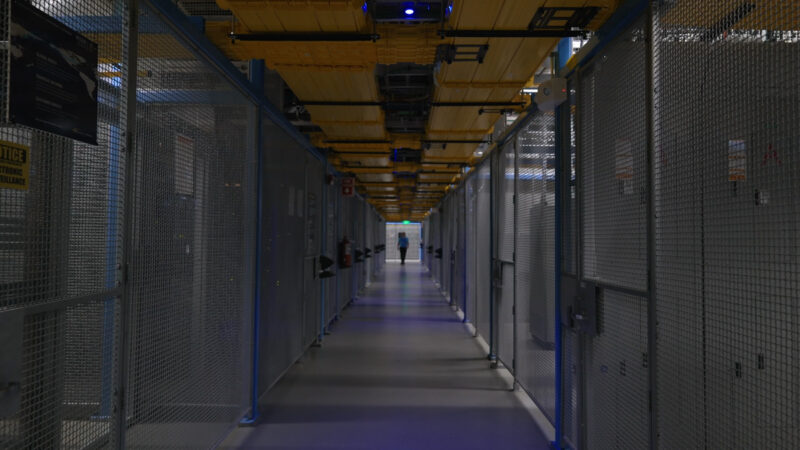
While we are hyper-focused on power and cooling today, in the early 2000s, data center colocation was often billed on square footage. It was not uncommon to see folks buy Sun workstations and stack them instead of rackmounting, as an example.
For Equinix, before it became the global data center giant it is today, the success of the facility hinged on maximizing the floor space it could rent to customers. This meant using small aisles, compact layouts, and dense racks.
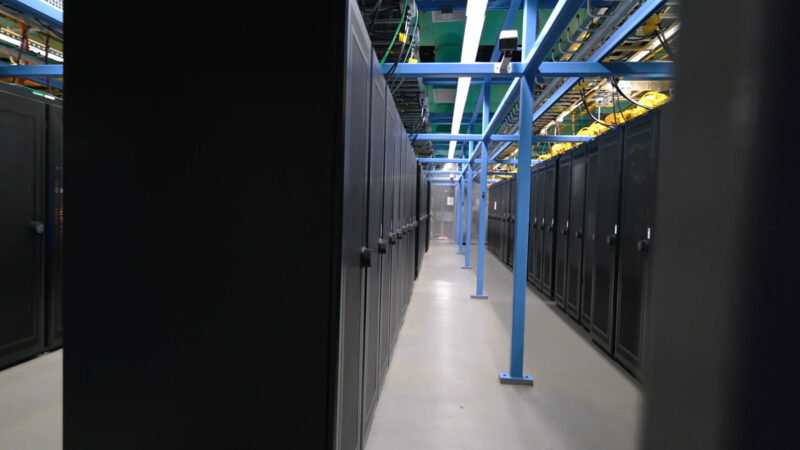
A quarter of a century later, the success (and billing) of a data center is not only the number of servers that can be stuffed into a building. Rather, it is about providing the power to feed them and the cooling to remove the heat generated by that power consumption. Today’s modern servers and AI clusters consume much more power and generate much more heat than they did 25 years ago.
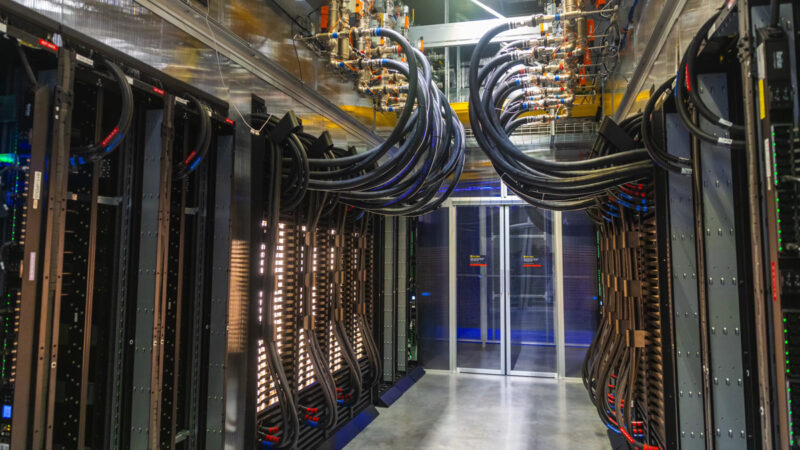
Equinix SV11, which we will take a look at a bit later, was designed with an energy-first philosophy. Energy capacity and thermal management, matters that were smaller concerns when SV1 was built, shaped how everything was built for SV11.


You gotta visit the One Wilshire meet-me room sometime! (And: awesome!)
Super stellar video sth
Those less technical stories usually refer to open evaporative cooling, used at many hyper scalers, where they use swamp coolers and then humid air enters the servers via air cooling and is then discharged. They often air cool their ai servers
I have fond memories of working on servers and networking in SV1! Being there felt like being in the absolute center of the coolest part of the Internet. Equinix data centers like SV1 had style, and lots of it – shapes, patterns, colors, and just gobs of cool everywhere. Most other data centers were sterile, horrible places to be.