


The Ubiquiti UXG-Lite is a neat device. This is really a network gateway, that is a “gateway”, to the Ubiquiti ecosystem. Its hallmarks are being low power, but also being significantly faster than the previous-generation USG. Still, this is a very basic network device, so we purchased a few to take them apart, benchmark them, and see how they work.
If you just want to purchase one of these, you can find an affiliate link to B&H Photo here.
Ubiquiti UXG-Lite Hardware Overview
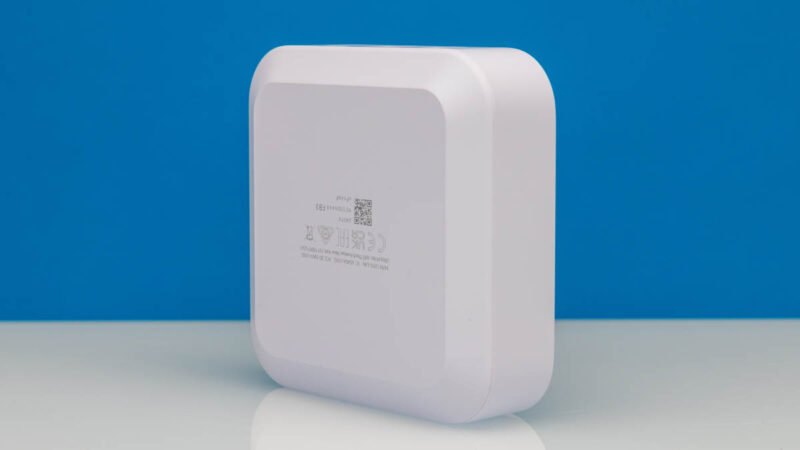
The device itself is small and sleek at only 98 x 98 x 30mm or 3.9 x 3.9 x 1.2″. As for materials, this is a plastic shell, but as we will see inside there is quite a bit going on.
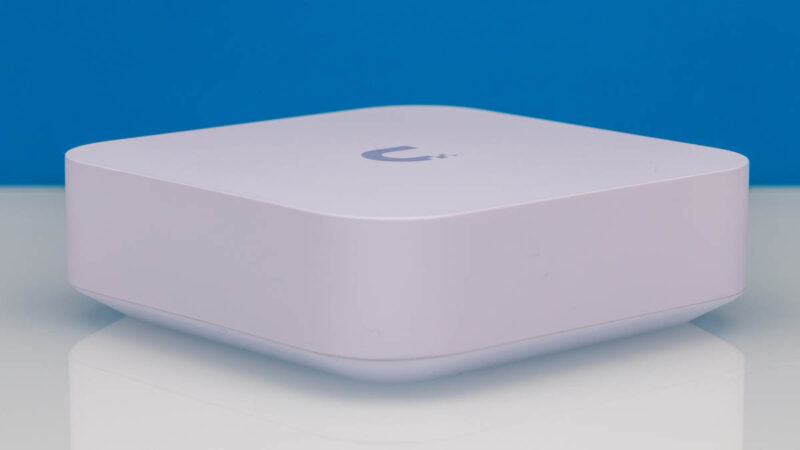
Three of the faces have nothing of note, but the fourth has all of the ports and features we care about.
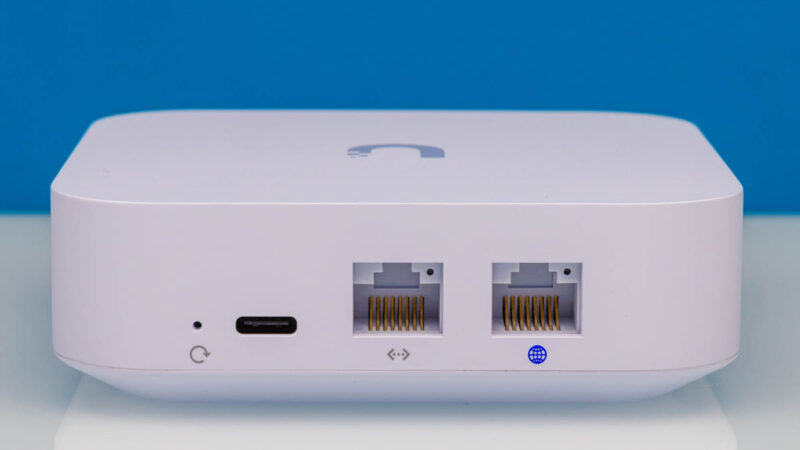
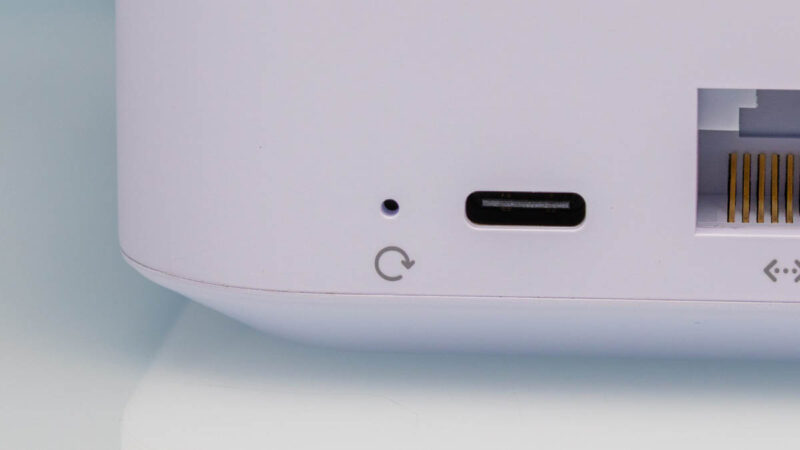
On the rear, we get a reset button and then a USB Type-C power input.
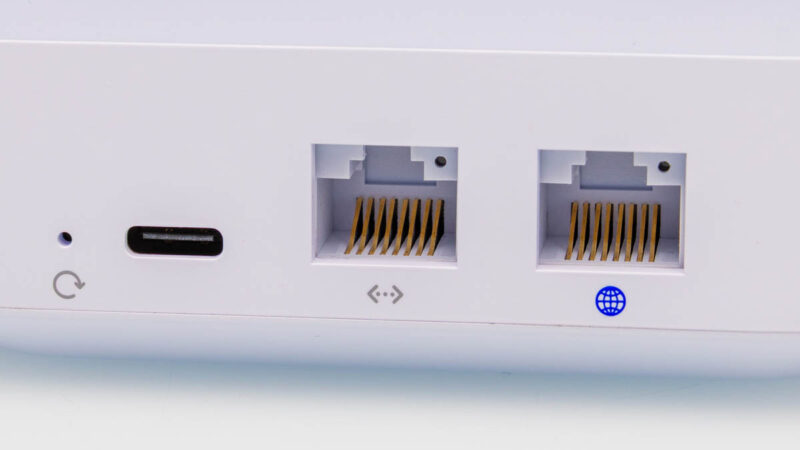
Next to those, we get two 1GbE ports. One is for the LAN, the other is for the WAN. Many folks will look at this and see it as not enough if they have faster WAN connections, but remember, the majority of the world is still connected by less than 1Gbps links. Of course, if you have a faster-than-1 Gbps WAN connection, we strongly recommend moving up in the stack.
The rest of the gateway is just a plastic shell.
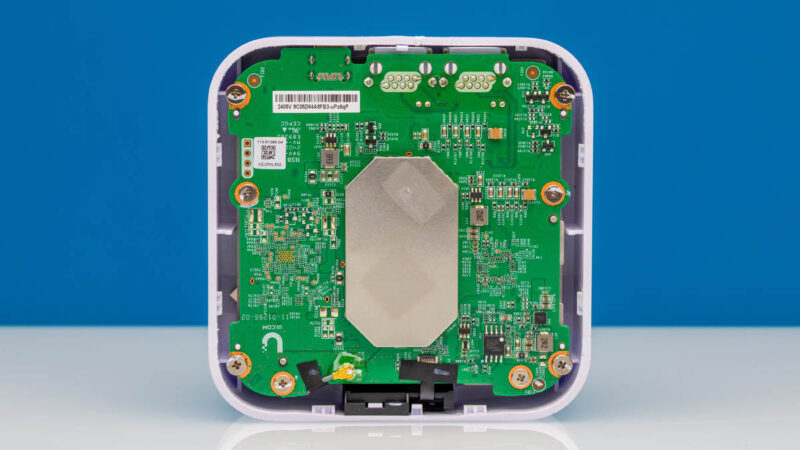
Of course, we wanted to see inside the chassis, so we popped the plastic clips holding it together off and got inside. Something you immediately notice is that, although the exterior is plastic, a large metal structure lies beneath the surface, helping dissipate heat. There are also thermal pads to help remove heat more efficiently.

We are not destroying the internal metal shield here, but at least we can see the board.
Taking the board out of the plastic shell and we can see another big metal structure on the other side.
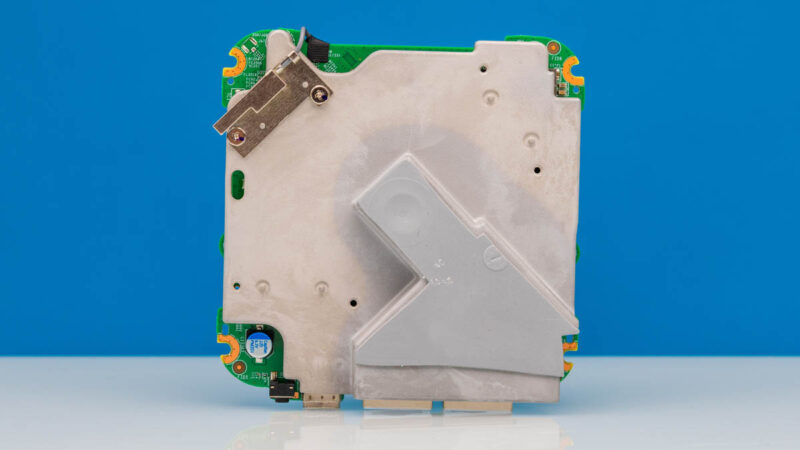
Here is that flipped over.

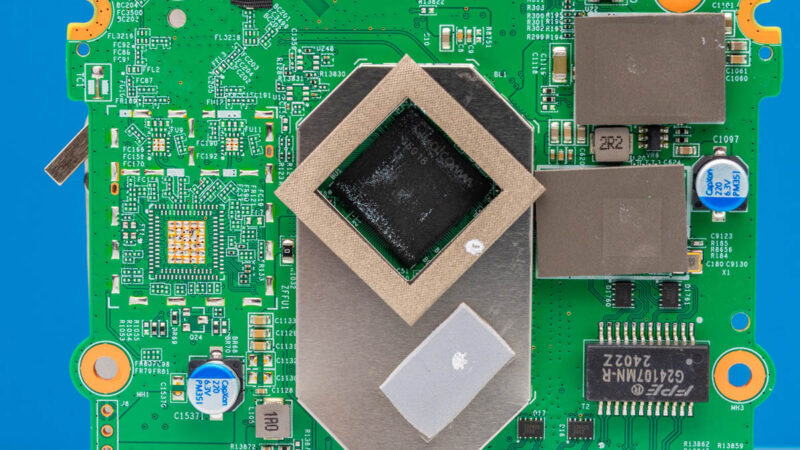
This one is interesting. The thermal pad goes into the octagon, and directly contacts the Qualcomm chip package.
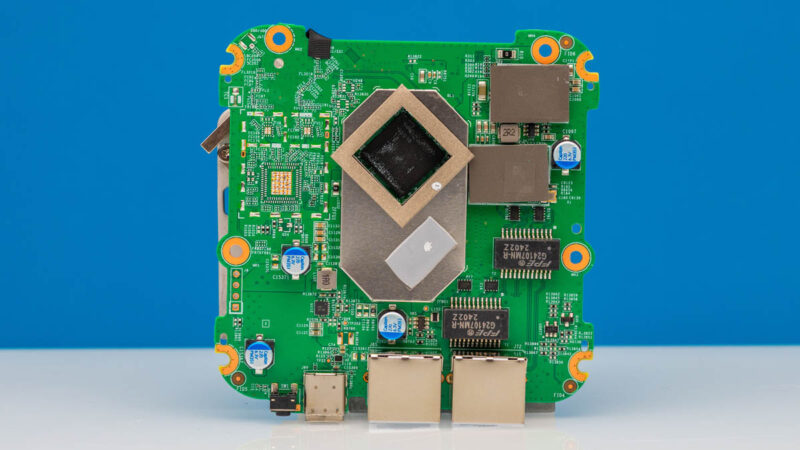
This is the Qualcomm IPQ5018, part of the company’s N6 Dragonwing platform. It is very common for this class of wired-only platform to use Qualcomm chipsets designed for WiFi gateways, as they also often have integrated ports for wired networking, but also CPU cores and network offloads. The N6 Dragonwing was for WiFi 6 generation devices.
Next, let us get to the management.

The cloud gateway ultra costs the same while having more ports as well as hosting a controller. Am I missing something
Picked up on of these for $55 AUD ($37usd) new from a store and paired it with a 2nd hand cloudkey gen 2+ to give a family member access to the unifi system with protect and it’s been great.
Great review for anyone deciding between affordability and real network performance. The comments about real throughput and occasional limitations were especially useful.
I’d rather install my clients a UDR7 with cloud Key integration. But as a standalone product, it’s very cheap for what is does.
You can find these used on EBay for $50 pretty regularly.
I have two running at sites I manage. And I keep one as a cold spare.
They work well. I haven’t had any issues with them.
Seems like UXG is a bad name as XG denotes 10gig and this doesn’t have it.
I understand it’s a cheap entry level device, but the name could confuse some people into thinking they’re getting something more than it actually is.
Also, the UX7 can be found as low as $179 (just bought 2 tonight) and offers a lot of value for $50 more. 10g, 2.5g, and a Wifi 7 AP.