

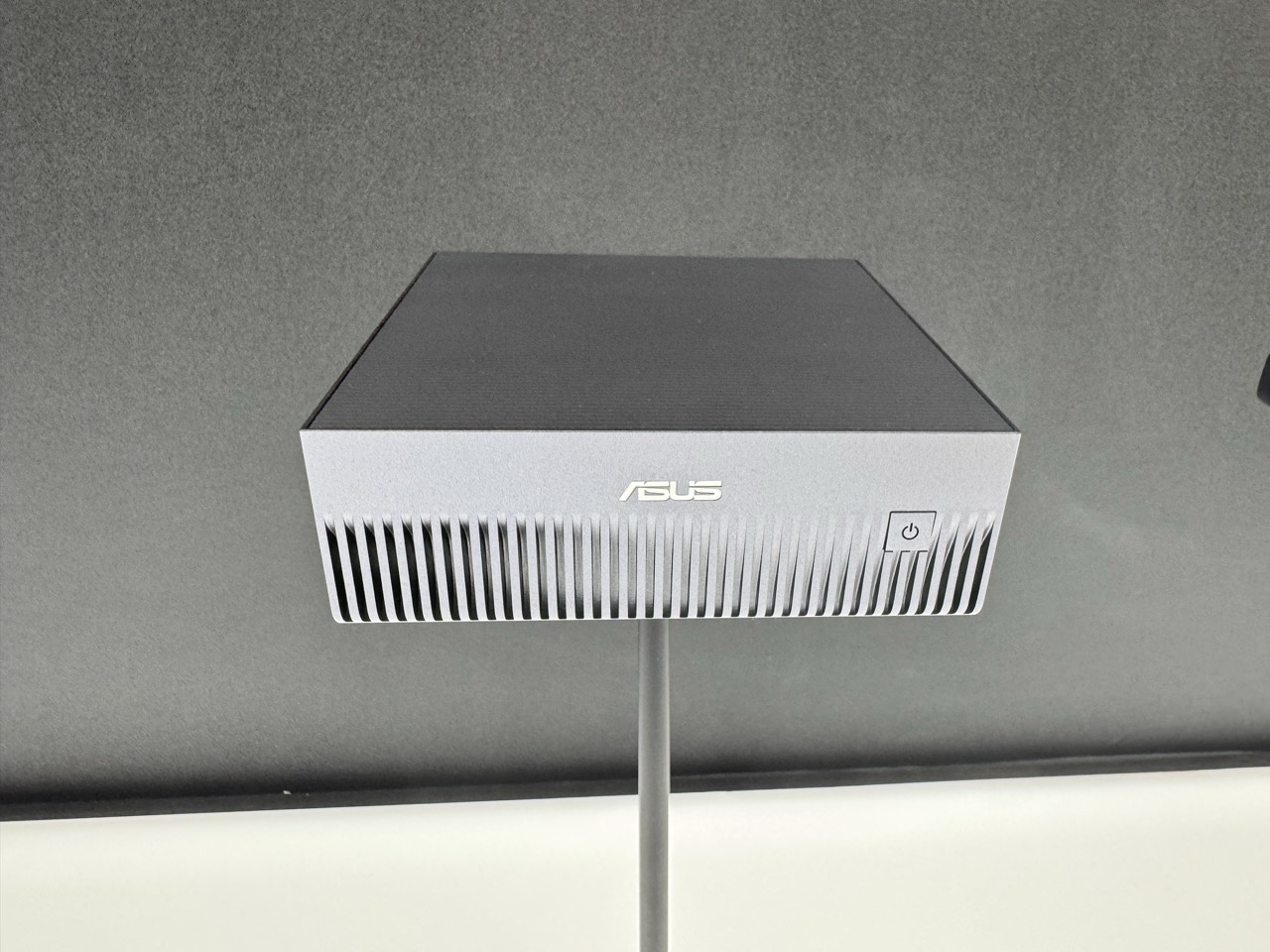
Going through some older photos of the NVIDIA GB10, we found a shot from Computex with eight different NVIDIA GB10-based systems. In that set of photos, we realized tha the ASUS Ascent GX10 changed.
The ASUS Ascent GX10 Super NVIDIA GB10 System Has Changed
Across from Computex 2025, NVIDIA had a Taiwan GTC. On display were the DGX Spark systems and the GB10 board, but also seven partner systems. Here we have a row of systems from Gigabyte, Dell, Acer, MSI, ASUS, HP, and Lenovo. That is a pretty good look at the NVIDIA GB10 lineup.
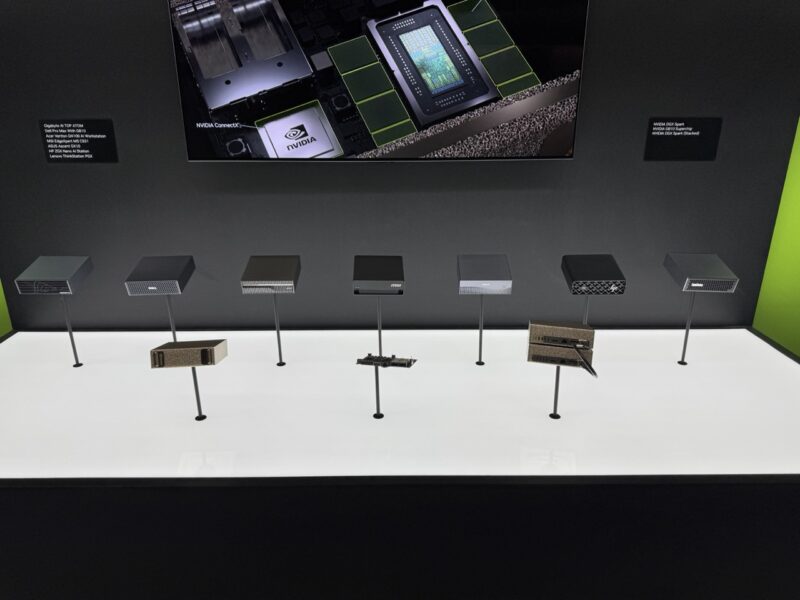
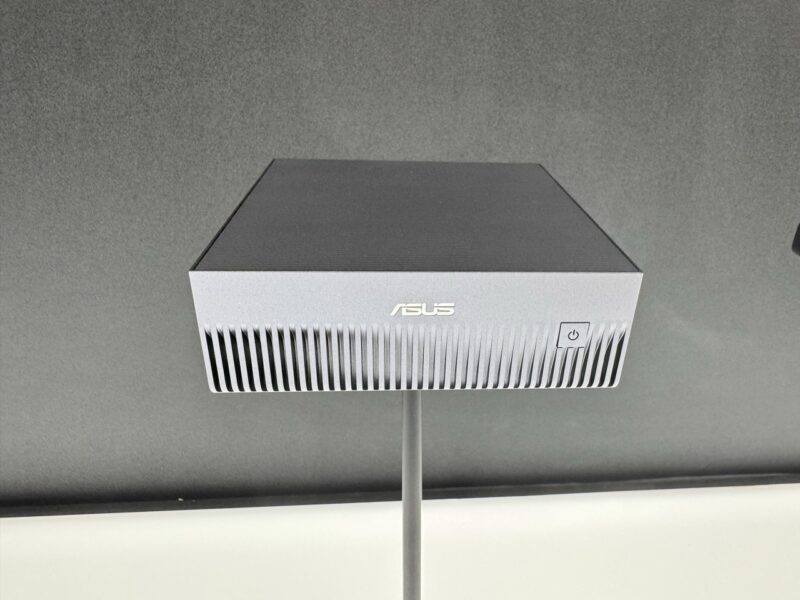
Something we noticed in this line is that the ASUS Ascent GX10 has changed quite a bit. It is now a different external chassis design.
For some reference, here is the Ascent GX10 from March 2025 where you can see a clear plastic case. From what we understand, even in the 170W range, ASUS was having challenges with the thermals in the original case from March. That has led to the chassis change that we see today.
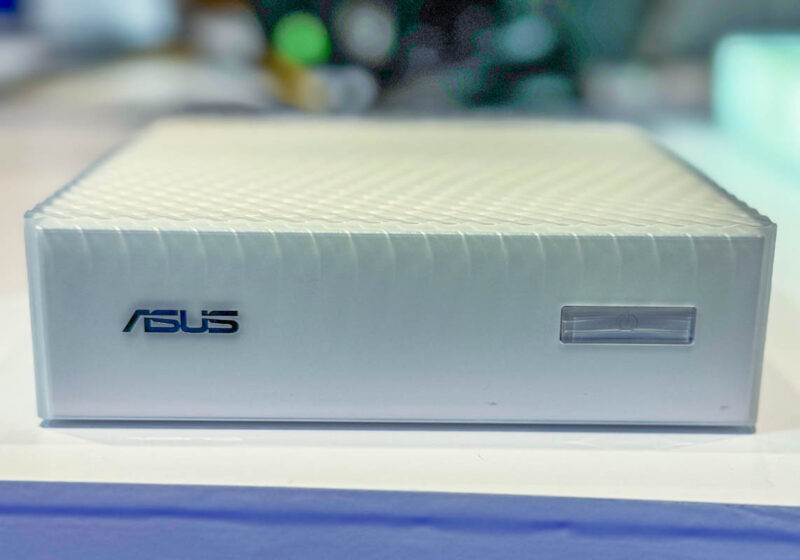
Just to confirm, we checked the ASUS website adn we saw this as the Ascent GX10 system that looks like the photos from May rather than March.
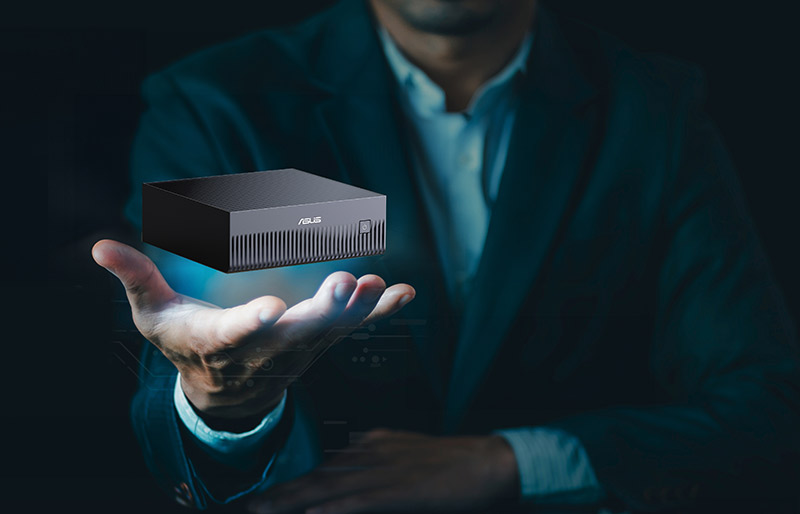
The NVIDIA GB10 is a chip that is really a consumer product, not a data center product, so we expect something like this in places like notebooks in the future. Still, the 128GB model with the ConnectX networking is really neat since it allows for clustering at a price not too much over that of buying a high-end ConnectX-7 card today. If you pay a lot for NICs, you can almost think of this as a low cost for a CPU and GPU on top of the NIC, especially if you get a partner system rather than the NVIDIA DGX Spark.
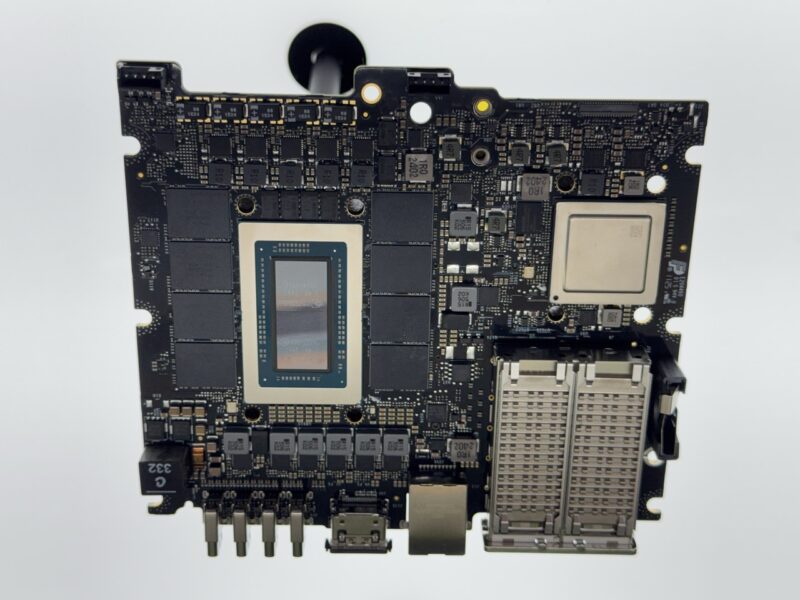
One of the biggest challenges in this segment is going to be differentiation. With so many vendors using the same NVIDIA motherboard with the same CPU/ GPU, memory, NIC, and ports, there are two main points of differentiation for OEMs. The chassis appearance and support.
Final Words
This was just a quick update to a popular first look that we saw in March. It is also a product we are extremely excited about. It is a very different little box and one we are excited to see how it slots between the AMD Ryzen AI Max+ 395 128GB products at around $2000 and the Apple Mac Studio M3 Ultra at around $10,000.



Hopefully the AI bubble pops in the next year or so when investors finally figure out that they won’t be replacing human employees with magic AI boxes. Then all the enterprise customers that bought this kind of hardware and GPUs will flood the used market with them and drive the prices down to where they should have been to begin with.
concidering thats what ai was designed to do, thats wishful thinking