
It is hard to believe that it has already been over 6 years since DDR5 memory was launched, but now in the fall of 2026 it is already time to start talking about the next generation of server memory.
This past week the JEDEC Solid State Technology Association, the industry consortium responsible for developing the various memory standards (among other specifications) released a preview of the in-development DDR6 memory standard.
The next generation of the group’s mainline SDRAM memory standard, DDR6’s development has been known about for quite some time now. But, outside of the customary bandwidth improvements, it has not been clear what other changes the DDR6 specification may bring with it. Now, following JEDEC’s preview, we have our first official look at what some of the major features of the new specification will be – or at least, are expected to be based on the current development plans.
DDR6 Memory Standard Preview: Smaller DIMMs, Bigger Bandwidth
As always, the key improvement in a new generation of DDR memory is the amount of bandwidth available per DIMM. DDR6, in turn, is planned to be a major overhaul of DDR memory technology in this regard, as it is tackling the matter from both ends.
In regards to per-pin bitrates, the current plan calls for DDR6 to start at 12.8 GT/sec and eventually reach 14.4 GT/sec and higher. Currently, DDR5 tops out at 9.2 GT/sec, so at the top end this would represent an eventual 57% increase in per-pin bandwidth. Meanwhile looking at things on a contextual basis, the original DDR5 specification stopped at 6.4 GT/sec, so if DDR6 were to eventually end up on a similar long-term trajectory, then “beyond” could eventually extend well past 14.4 GT/sec.
Still, a 57% increase is not as much bandwidth as some customers would like to see, so the group is also planning to take the more radical step of changing the bit-width of a DIMM itself. Following nearly three decades of DIMMs being 64-bits wide, going back to the days of single data rate SDRAM, the group is proposing to make DIMMs even wider, moving to a 96-bit wide memory bus.
With 32 more data pins (DQ lines), a DDR6 DIMM would offer 50% more bandwidth at identical clockspeeds to a DDR5 DIMM. Or, combining the two improvements, a full DDR6-14400 DIMM would offer 172.8GB/sec of bandwidth, or 2.35x as much bandwidth as a DDR5-9200 DIMM does today (and more still compared to the DDR5-8000 DIMMs that the latest server platforms actually support).
| JEDEC DDR Generations | |||||
| DDR6 (Provisional) |
DDR5 | DDR4 | |||
| Max Die Density | 128 Gbit | 64 Gbit | 16 Gbit | ||
| Max UDIMM Size (DSDR, 1 die) |
? | 128 GB | 32 GB | ||
| Max Data Rate | 14.4 Gbps+ | 9.2 Gbps | 3.2 Gbps | ||
| Channels | ? | 2 | 1 | ||
| Total Width (Non-ECC) |
96-bits (4×24-bit?) |
64-bits (2×32-bit) |
64-bits | ||
| Banks (Per Group) |
16? | 8 | 4 | ||
| Burst Length | ? | BL16 | BL8 | ||
| Voltage (Vdd) | ? | 1.1v | 1.2v | ||
| Vddq | ? | 1.1v | 1.2v | ||
The switch to a wider bus width for an individual DIMM will come with some significant ramifications for the rest of the standard as well, in part because of the changes that need to happen in order to enable those wider DIMMs. Key to this, DDR6 will be employing a pseudo-channel architecture that splits up the individual channels.
Unfortunately, JEDEC’s preview announcement does not clarify if and how this might interact with the sub-channel architecture that DDR5 currently employs, so we do not have enough information to definitively state how this compares to DDR5’s architecture in this regard. But broadly speaking, splitting up DIMMs into multiple channels is how the most recent version of the standard was able to raise bandwidth in light of DRAM core clockspeeds having long grown stagnant, and some kind of similar change has been expected for DDR6 as well.
Regardless, the specification is also doubling the number of memory banks on a DIMM, which by our reckoning should bring it up to 16 banks per group. This is another change that should further help DDR6 deliver data at those higher pin bitrates, as it affords more banks that can be used while the other banks are busy refreshing.
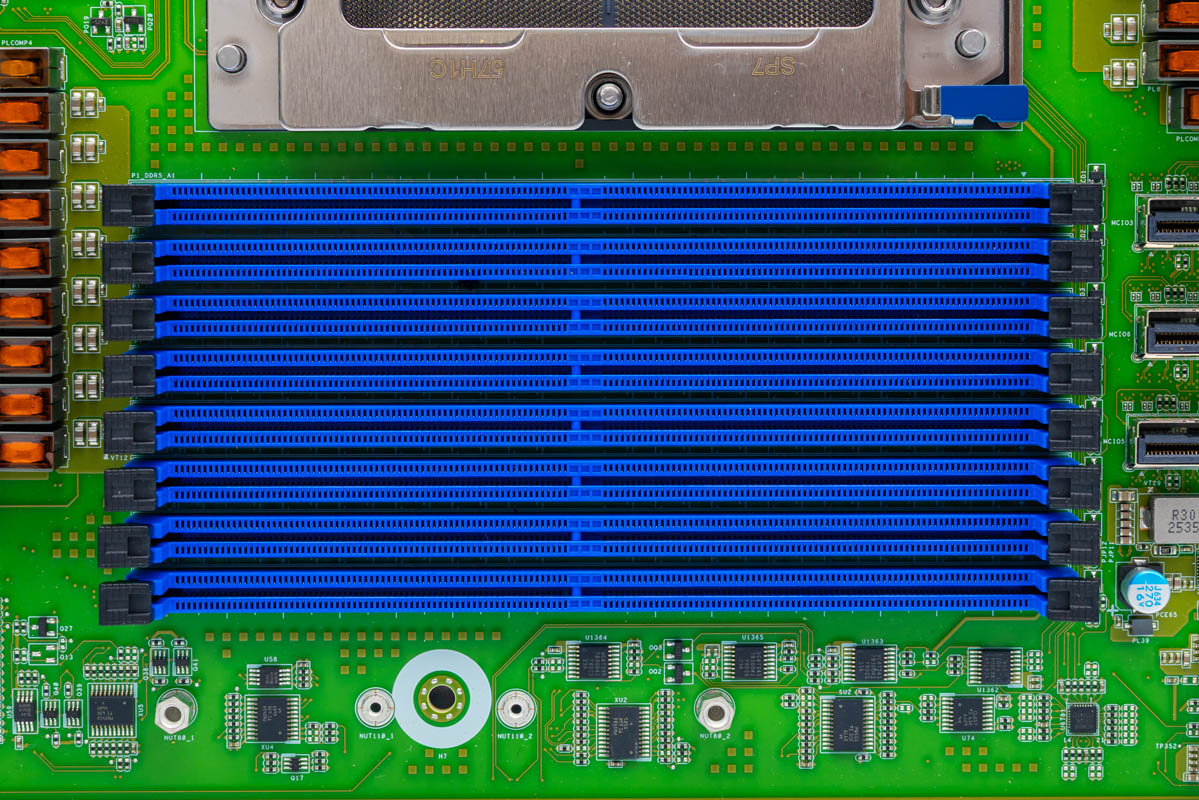
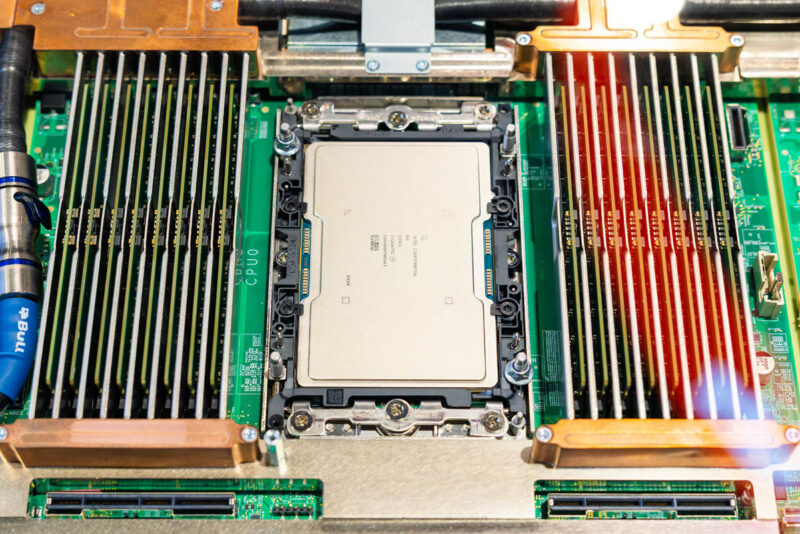
The change to the individual DIMM memory bus width will also bring with it some physical changes to DIMM designs – and more than you might be expecting. JEDEC will be introducing a more compact 74mm wide DIMM for DDR6, which on a relative basis is just a bit wider than a DDR5 SO-DIMM. According to the group, the change is being made to allow for systems with higher memory densities as, while routing small traces is bad enough, 16 channels of DDR5 DIMMs takes up an immense amount of physical space that there is no real work-around for with their 133mm module width.
Notably, the group’s announcement does not clarify whether they will keep the current DIMM width, which like the 64-bit memory bus has been with the standard since the earliest days. Though JEDEC is quick to note that they are working on multiple form factors, potentially including RDIMMs, UDIMMs, and even CAMMs – the latter of which was added to DDR5 as a mid-generation feature. In that respect, the denser 73mm form factor may end up as a premium option for RDIMMs, especially as a smaller connector combined with a wider memory bus would require some very small pins on the new compact form factor.
Meanwhile, it is interesting to see that, at present, there is no mention of SO-DIMMs at all. So the small laptop DIMM factor may very well be on its way out in favor of CAMMs (or soldiered memory) for all laptops.
On the other hand, the preview announcement mentions server needs front and center. JEDEC’s members are well-aware of the need for more memory in the data center, and this is something that the group is explicitly looking to tackle. In practice, this would seem to be aiming to deliver on all three major features that data center operators are after: smaller DIMMs, more memory bandwidth per DIMM, and higher capacities overall.
Speaking of which, besides allowing for more DIMMs in a given amount of space, the DDR6 specification will also be tackling the memory capacity matter from the other direction as well. As always, the latest standard is increasing the maximum supported die density, bringing it from 64 Gbit to 128 Gbit. At the same time, the spec will make some unspecified optimizations for die stacking to allow for higher capacity packages overall. At present, die stacked DRAM packages are far from brand new, but 3DS DIMMs are still relatively uncommon overall.
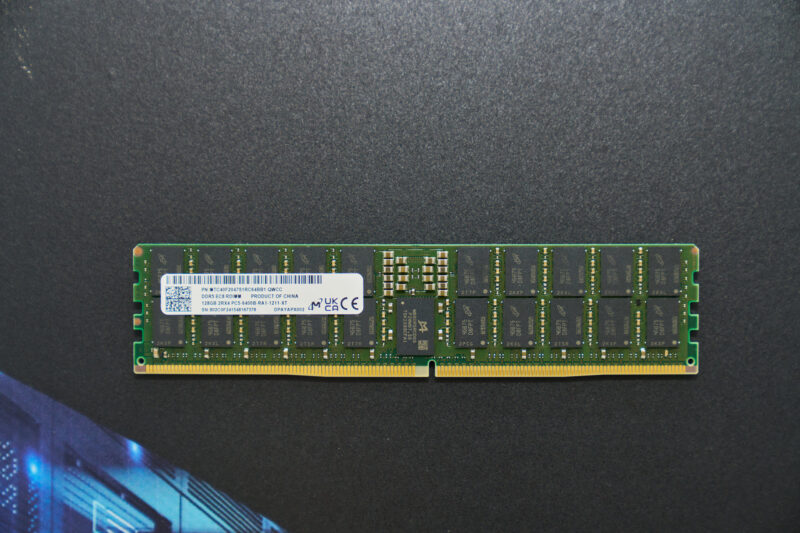
A bit more nebulous, the announcement also notes support for multiple ECC implementations. The current DDR5 standard has a single ECC standard at the DIMM level for transmission and overall DIMM reliability, as well as on-die ECC to protect/correct the individual cells. In the past year we have seen some proposals for layering additional soft ECC on top of this to further improve reliability (e.g. Astera Labs’ Leo CXL memory expanders), so it may be that JEDEC is eyeing something similar, to let customers allocate additional DRAM capacity to storing ECC data for even higher levels of reliability.
Finally, the DDR6 standard will be taking steps to rein in the power consumption of DIMMs, which has been a concern with every generation as increased performance comes will otherwise drive up the power needs. For the next version of the spec, DDR6 will be switching to VSS-terminated I/O, as opposed to DDR5’s VDDQ-based termination – in effect terminating with a low voltage instead of a high voltage. The spec will also introduce low power modes for data center use, though the initial announcement does not go into further detail. Regardless, the consortium is targeting “significantly improved performance-per-watt” versus DDR5, which would be welcome across the board, but especially in data centers where power is a constraining factor and large DIMM counts are eating up larger amounts of that budget.
Final Words
Wrapping things up, JEDEC’s initial announcement for DDR6 emphasizes how the group has significant plans for the next generation of the memory standard. While it is true that every generation of DDR has been faster and lower power than the previous, how this is accomplished has changed with every generation – and it gets harder all the time. Meanwhile the physical DIMM changes are even more remarkable, and they underscore how the group is ready to break away from the form factors that have defined SDRAM for almost the last 30 years.
The net impact of these changes, in turn, stands to be significant. A 2.35x bandwidth increase on its own is quite remarkable. Accomplishing that while also shrinking the width of a DIMM by 44% is even more so. Consequently, DDR6 as currently proposed stands to be a big change indeed.
As for when we might see a complete specification, or better still physical DIMMs, that will have to wait. This preview was just that: an early look at a specification still under development, and a not-too-subtle reminder to the industry that if they want to see more and participate in the development process, they need to be part of the JEDEC. On which note, the JC-42 workgroup will be meeting in Hawaii at the end of this month for their final quarterly meeting of the year.