

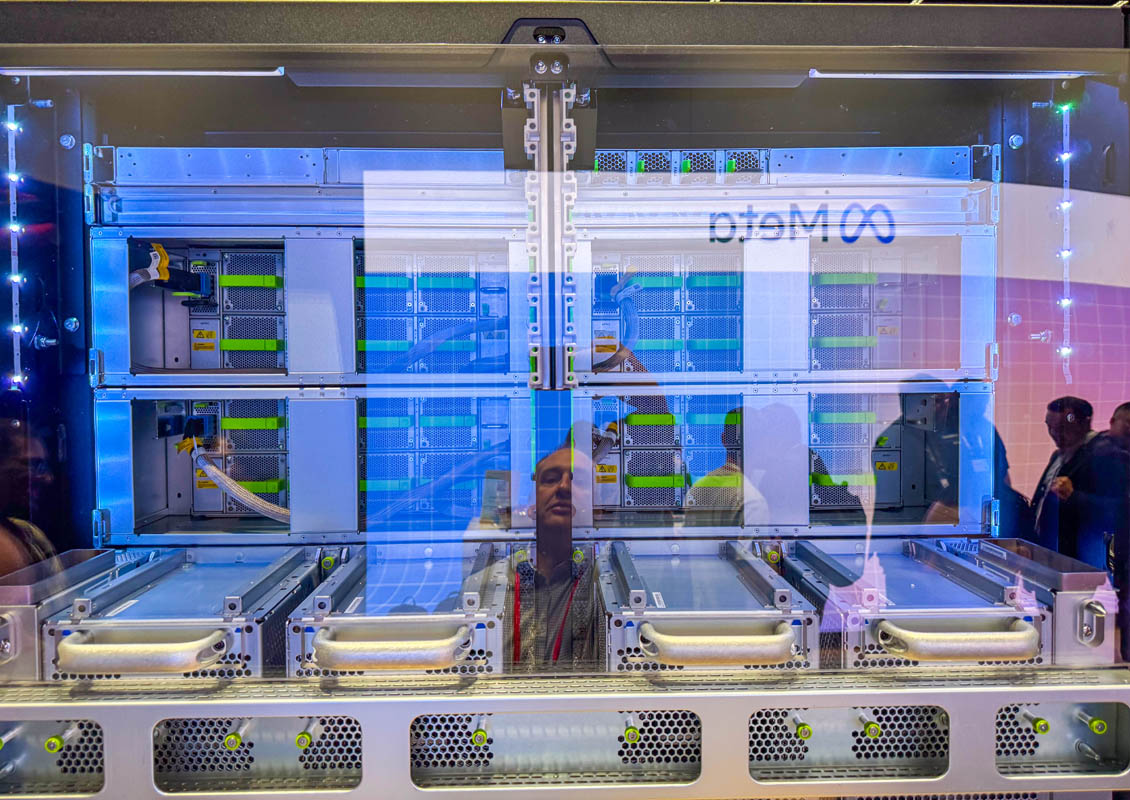
AMD and Meta Ink Major Deal for 6GW of AI Compute
Broadly, the deal covers 6GW of AI compute capacity, with the first 1GW deployment scheduled for the second half of 2026. This announcement comes on the heels of AMD’s similar deal with OpenAI, and together these agreements position AMD as a serious competitor in the AI GPU space. Meta will be deploying custom AMD Instinct GPUs based on the MI450 architecture, paired with 6th Generation AMD EPYC CPUs codenamed “Venice.”
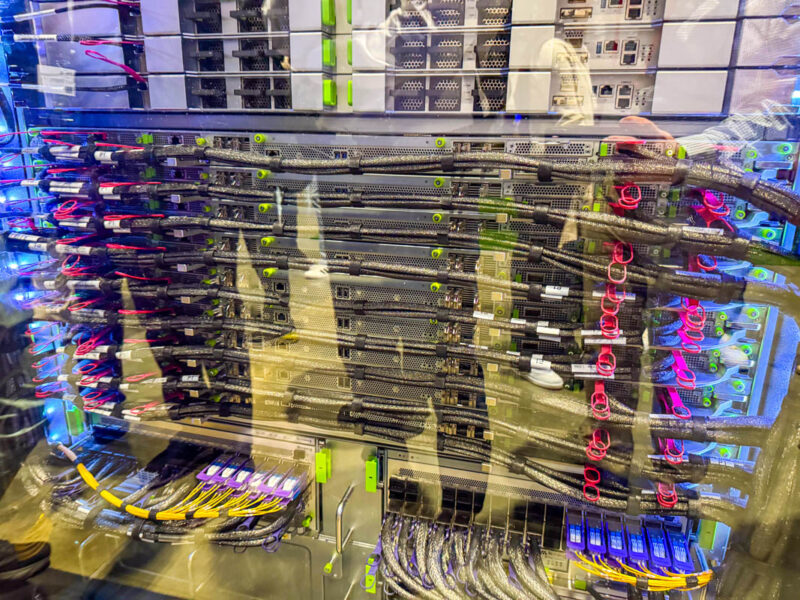
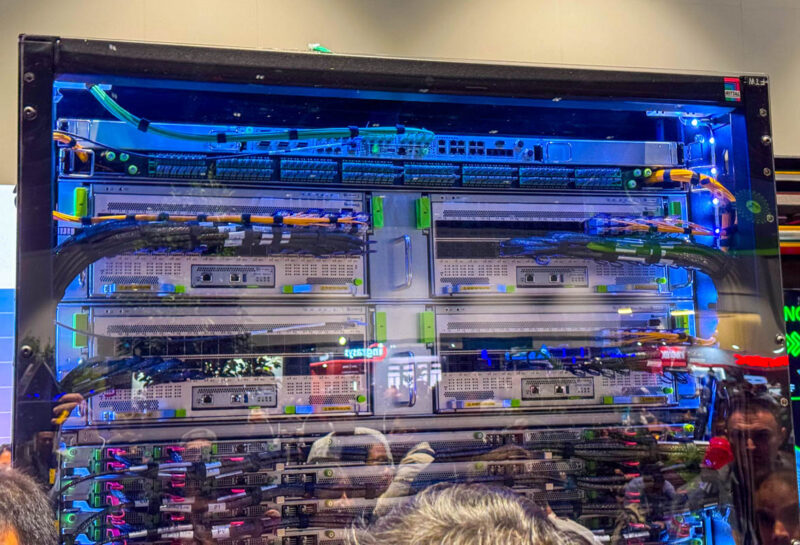
At the center of this deployment is the AMD Helios rack-scale architecture. This infrastructure was developed jointly by AMD and Meta through the Open Compute Project, designed specifically for scalable rack-level AI deployments. We showed the AMD Helios MI450 Rack at OCP Summit with a Different Version from Meta. Today, the companies were talking about rack-level customization, and that piece shows a lot of the differences. The fact that this is a custom GPU based on the MI450 architecture rather than a standard off-the-shelf part shows the depth of collaboration between these two companies. Meta is essentially getting hardware tailored to its specific workloads.
The financial structure of this deal mirrors the OpenAI agreement. AMD has issued Meta a performance-based warrant for up to 160 million shares of AMD common stock. These warrants vest in tranches tied to deployment milestones, starting with the initial 1GW deployment and scaling up to 6GW. The vesting is further tied to AMD achieving certain stock price thresholds, and exercising warrants is tied to Meta achieving key technical and commercial milestones.
During the conference call, AMD said that Meta is already a large EPYC CPU customer and it is already powering many of the core services at Meta. For those who do not know the history, even as the industry saw the AMD EPYC 7002 “Rome” generation offer much more than 2nd Gen Intel Xeon Scalable “Cascade Lake” (64 v 28 cores, more than double the PCIe I/O, more memory bandwidth), Meta would only publicly show Intel Xeon platforms until it finally shared Facebook Meta AMD EPYC North Dome CPU and Platform Details. It is a big deal that Meta is deploying AMD widely at this point.
AMD reiterated that it will ship both the standard and customized MI450 series GPUs the second half of 2026. It also said that each 1GW will generate significant double-digit billions of revenue for AMD.
On its side, Meta is getting warrants for up to 160 million shares that vest with shipping tranches of 1GW of capacity, also based on share performance, with the final tranche vesting at $600 per share. Meta also needs to achieve technical and commercial milestones as part of the agreement.
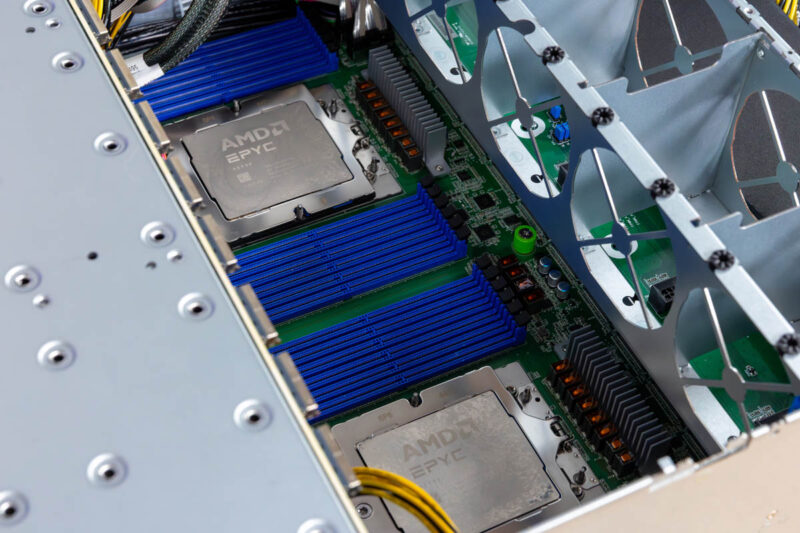
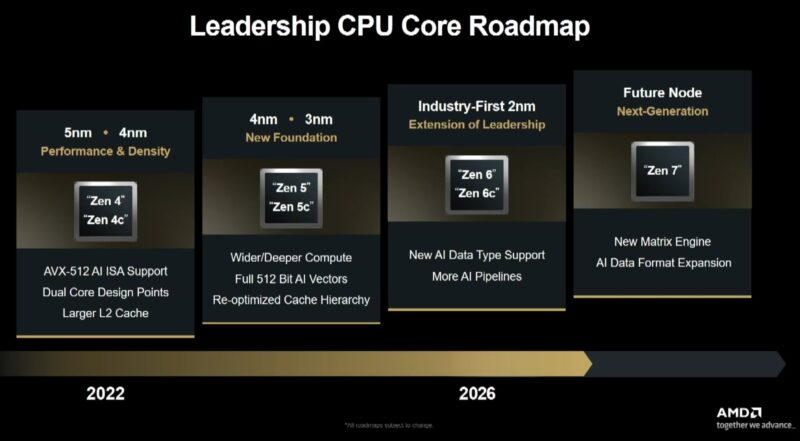
On the CPU side, Meta has been a long-time partner with AMD, having deployed millions of AMD EPYC CPUs across its global infrastructure. AMD said that Meta will be a lead customer for the 6th Generation AMD EPYC “Venice” CPUs, and also for “Verano,” the next-generation EPYC processor designed with workload-specific optimizations. One of the best nuggets from the call was Lisa saying that the CPU market is “on fire” right now.
What makes this deal particularly significant is what it says about Meta’s strategy. Mark Zuckerberg has been clear that Meta wants to build “artificial general intelligence” and needs massive compute infrastructure to do so. By partnering with AMD, Meta is diversifying its supplier base while still getting purpose-built hardware. This is a vote of confidence in AMD’s roadmap and its ability to deliver at scale across multiple generations.
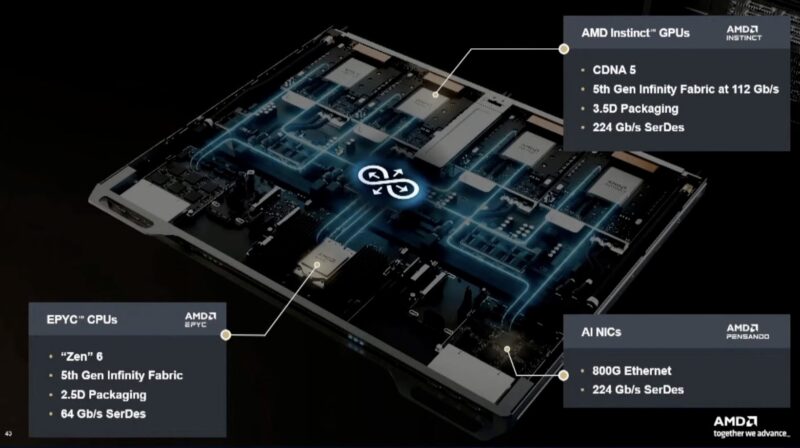
The software side matters here as well. These deployments will run ROCm software, AMD’s open-source GPU computing platform. AMD has been working hard to improve ROCm compatibility and performance, and having a customer like Meta deploying at this scale will only accelerate those improvements. Between Meta and OpenAI alone, I think we are well past the era of folks asking whether AMD’s software stack will be mature enough to use in production at scale. There is now too much money behind the hardware, across multiple generations, to have the software be a long-term bottleneck.
Final Words
Looking back, the AMD ZT Systems acquisition appears to be paying dividends. At the time of that deal, AMD said it was needed to target large-scale deployments exactly like this one. Another 6GW deal is precisely the type of engagement that justifies that acquisition.
The broader impact of this deal should not be underestimated. Meta is one of the largest operators of AI infrastructure in the world, and their endorsement of AMD Instinct GPUs carries significant weight in the market. This provides validation that AMD can compete at the highest levels of AI computing. NVIDIA will sell a ton of chips, but AMD is shaping up as a winner as well.
Congratulations to the AMD team. This is a transformational deal.
Disclosure: We do not provide investment advice. Please consult investment professionals before making investment decisions.


“Verano,” the next-generation EPYC processor
probably, “Verona”?
No it’s Verano.
So, AMD I will buy future stock warrants (performance based) and you get to make GPU’s for us.
If Meta AI financially survives. But they are circle jerking this entire deal. It could very well bankrupt AMD if Meta cannot monetize the buildout. The excuse will be, the power is not produced at a cost needed to profit from this additional buildout. Producing power will be a 100% cost.
So when did compute/r performance start being measured by the gigawatt, and why? Does this mean that AMD could produce less efficient products to meet their obligations to Meta, instead of advancing the performance per watt curve?
And, holy heck Batman, a quick Google search says that a typical nuclear power plan outputs in the neighborhood of 1 GW. Is the crap AI we have really worth the cumulative output of SIX of those things? New nuclear plants run $6billion to $15billion+ when they can get permitted, and take up to 10 years to build. Is all of this worth $60billion in new power generation for what is likely a bubble technology?
I can’t wait to see how more AI makes my life worse.
@Matthew Krebs: Compute (Operations per second) used to be THE limiting factor to progressing progress in [insert workload here].
Now, it’s not cash, it’s not availability of NAND/ DRAM, it’s not finished chips: it’s availability of reliable power.
For your last question: No, probably not. Buckle up.
Matthew Krebs made exactly the point I wanted to make!
The only thing is that you can’t build nuclear plants that quickly, so it’ll just burning lots of fossil fuels