

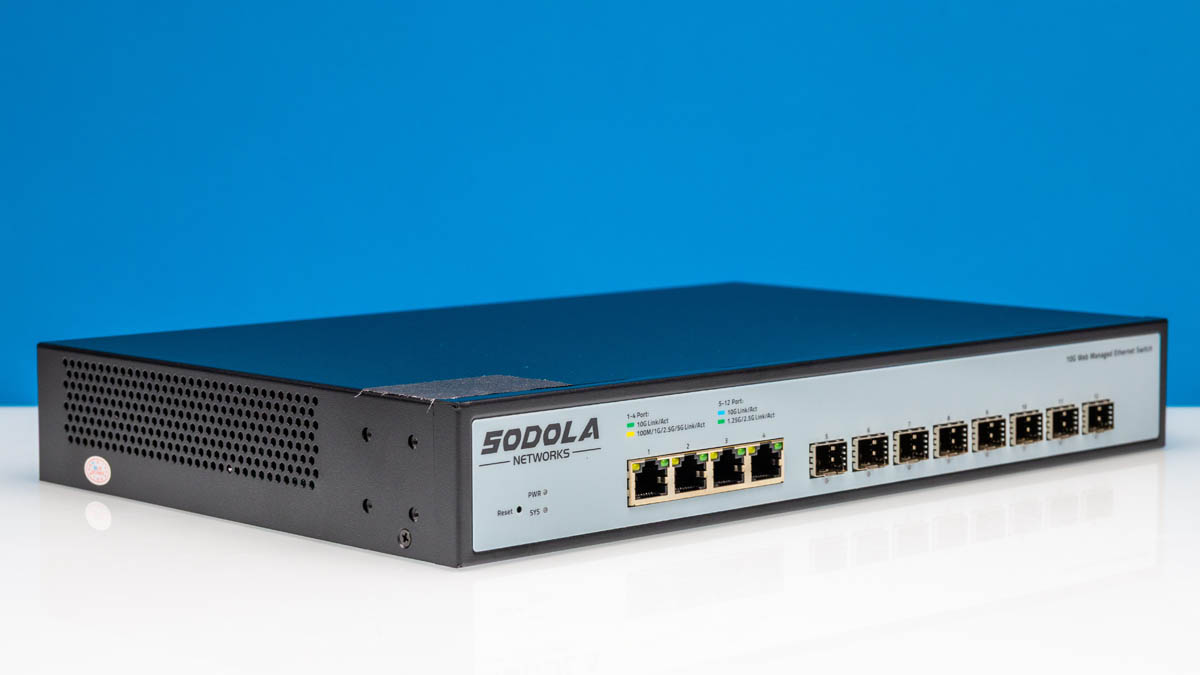
We found the 12-port 10GbE Sodola SL-SWTGW2C48NS as a low-cost option when looking for 10Gbase-T switches. What we found was something perhaps a bit better than we were expecting from a $230 switch (minus a $20 promotion at the time.) Unlike some switches that are low-cost and have a few SFP+ ports, this switch adds 10Gbase-T ports as well, and at a price almost the same as many 4-port 10Gbase-T switches on the market. Is this perfect, absolutely not. Is it much better than we thought it would be, yes. Let us get into why.
Here is an Amazon affiliate link to what we purchased.
Just as a quick preview, we are using our new IxNetwork setup where we can generate line rate 64B packets at over 1.7Tbps. Luckily, we have a 16-port dual PHY NOVUS10/1GE16DP, which allows us to test 1GbE/ 10GbE gear in 10Gbase-T or SFP+ combinations. A switch like this, we can either test using just that card, or we have the licenses enabling fan-out 4x 10G on our higher-end 8x 100GbE cards.
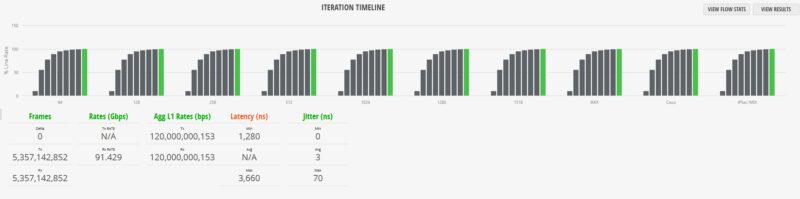
We are trying a few different views of our results, but there is a line rate 64B test just to show you what this switch is capable of.
Sodola SL-SWTGW2C48NS Hardware Overview
The switch is a 1U switch so this is is not the highest density solution out there. It could easily have been a half-width switch in size with denser port layouts.
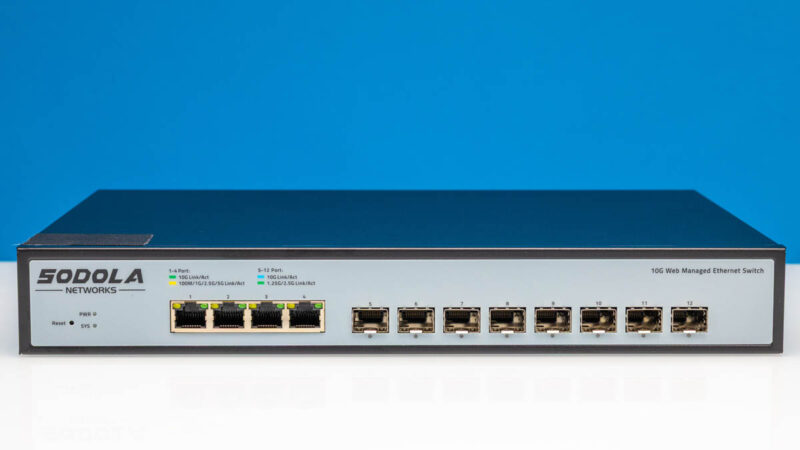
The first four ports are 10Gbase-T ports, but they can also do 2.5GbE and 5GbE speeds. Some older switches (and our test setup) can only do 1GbE and 10GbE. This is nice if you simply have one or two lower-speed devices.
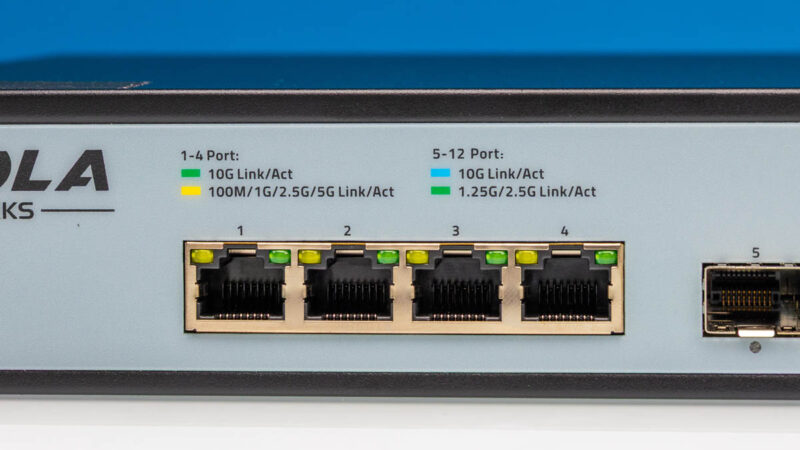
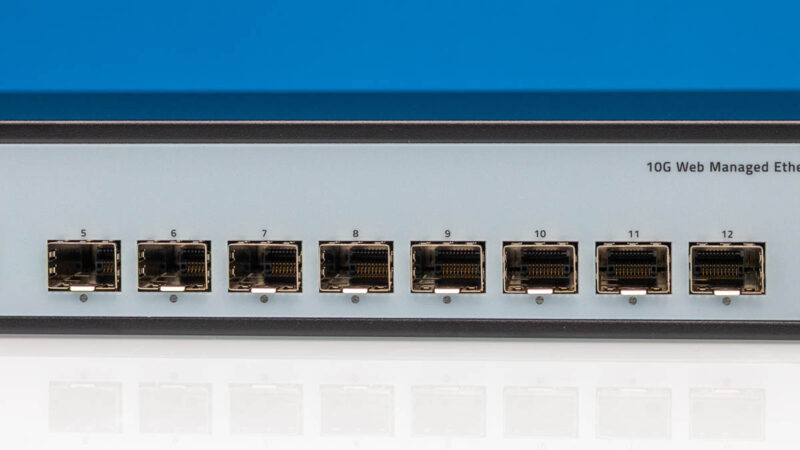
Next, there are eight SFP+ ports.
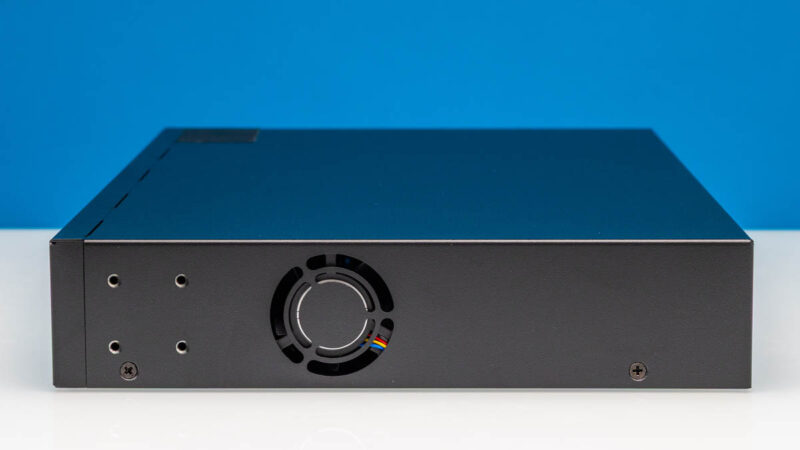
On one side, we get a fan.
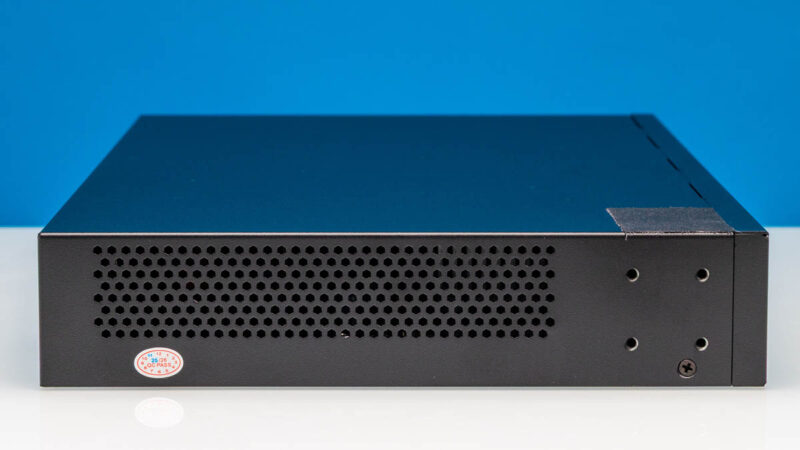
On the other side, we get vents.
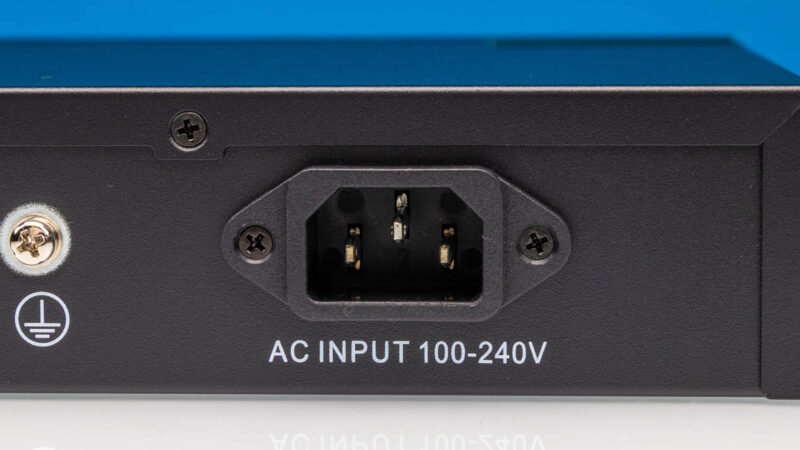
In the rear, there is not much going on.
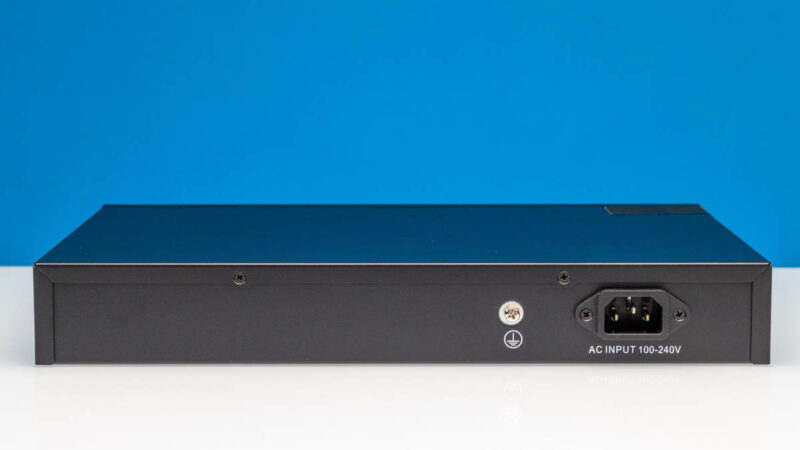
We have a grounding point and an AC input.
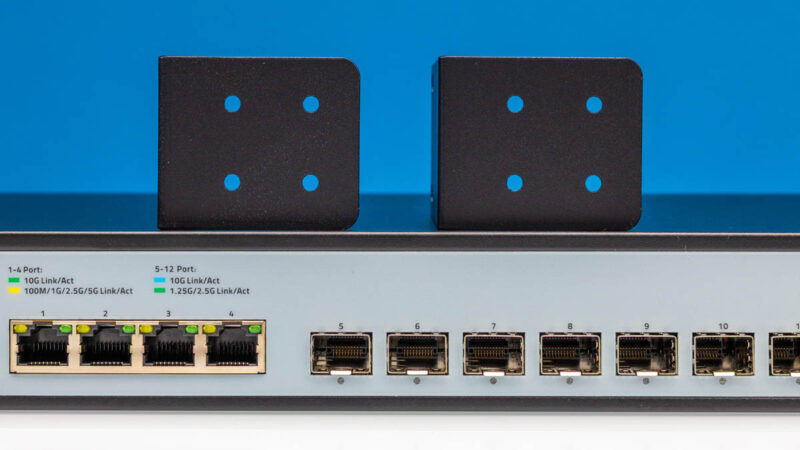
We get two small rack ears in the package as well.
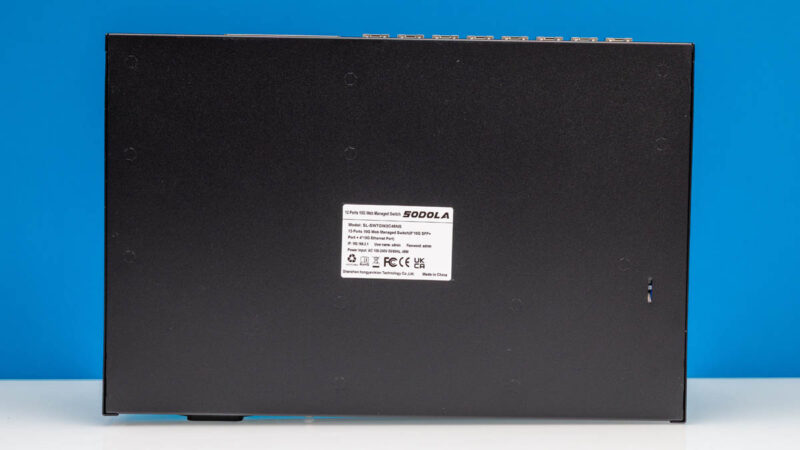
On the bottom, we get login informationbut not much else.
Getting inside the chassis, we see that there is a lot of empty room.
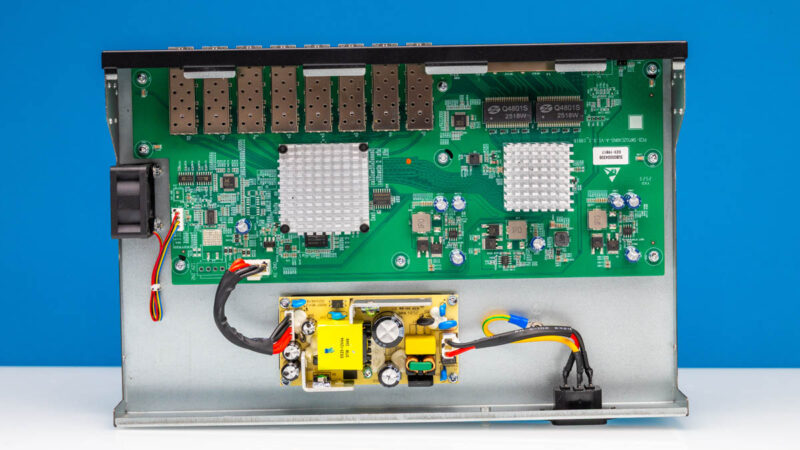
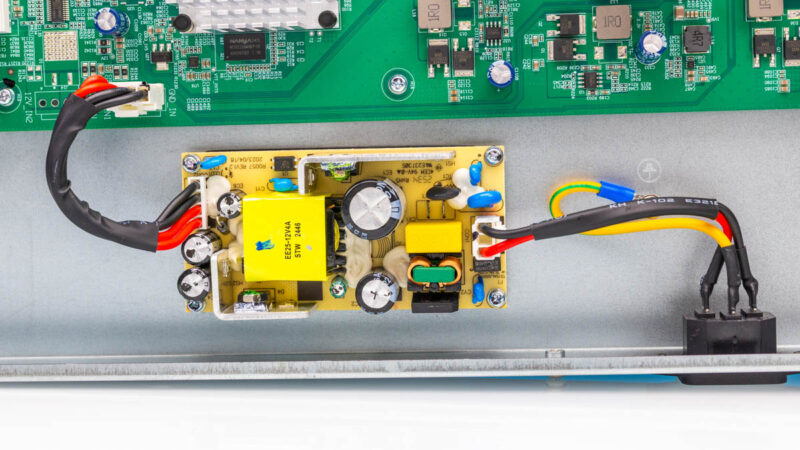
Here is a shot of the internal power supply.
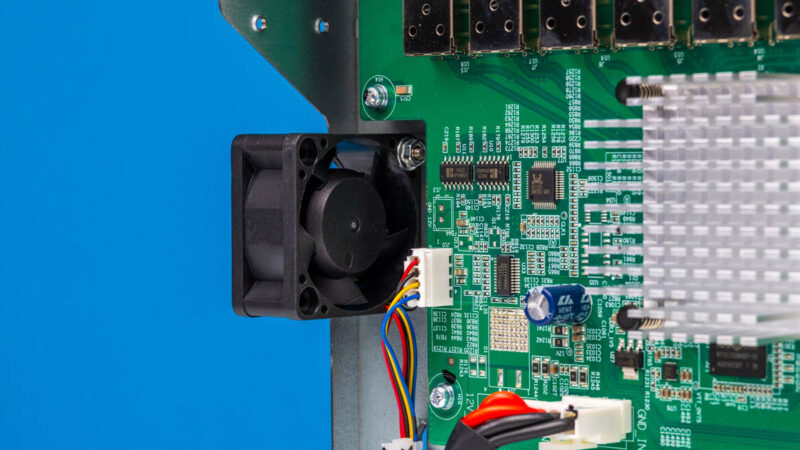
There is also a 4-pin fan on the side.
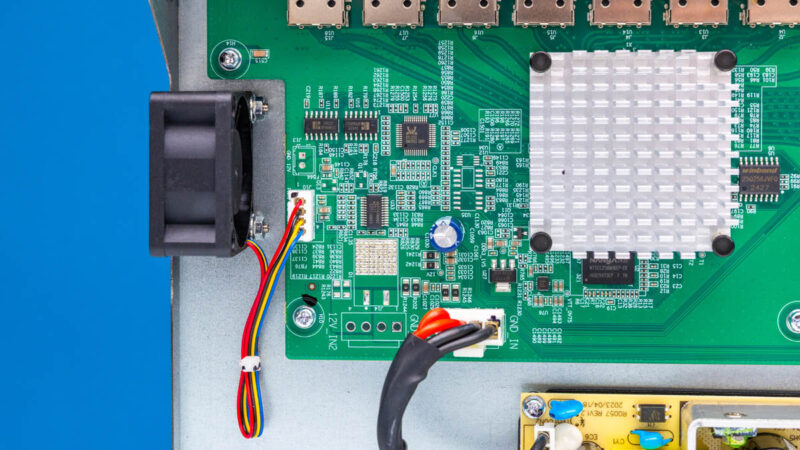
Between the fan and the main switch chip we get a Realtek RTL8231.
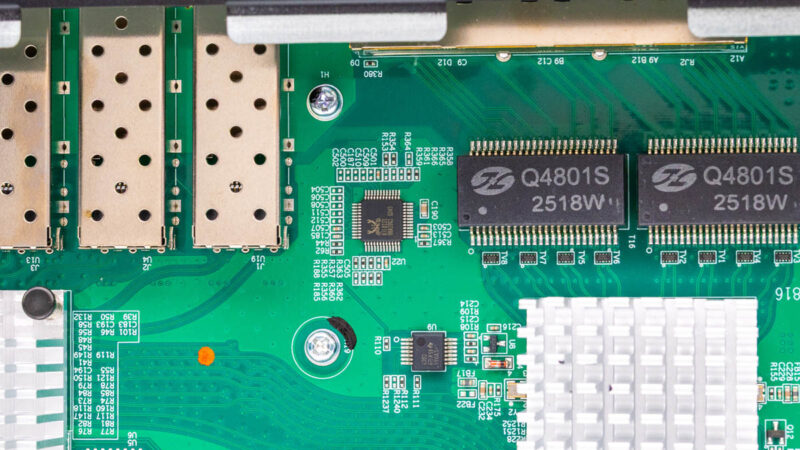
There is another Realtek RTL8231 between the SFP+ and 10Gbase-T ports. These are usually used to add more GPIO pins within switches like these.
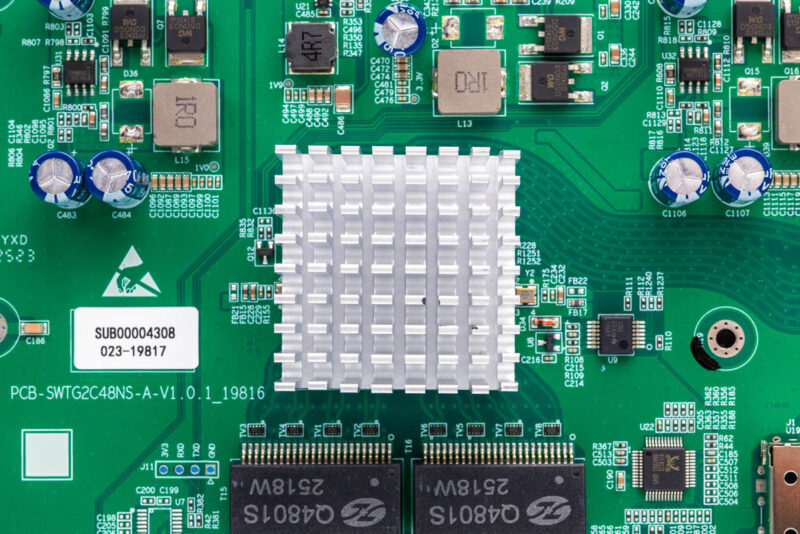
Here is the main switch heatsink surrounded by its DRAM and NAND.
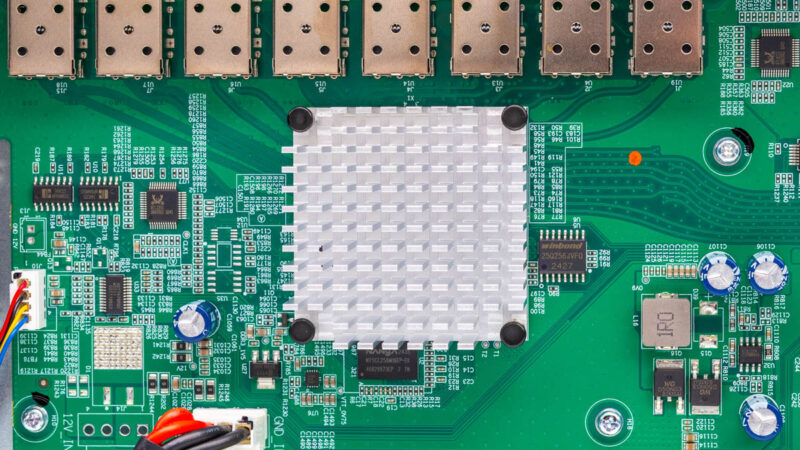
We pulled this heatsink off after a bit of coaxing. It was secured by clips and tape. Here is what it looked like.
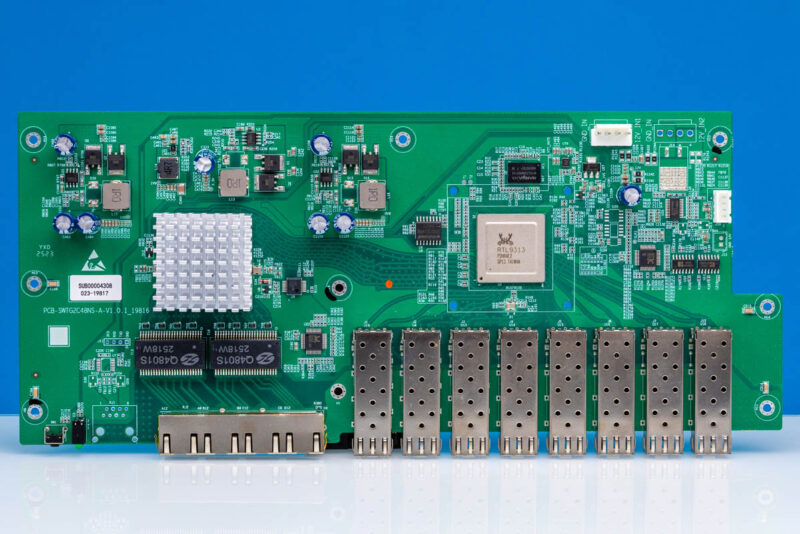
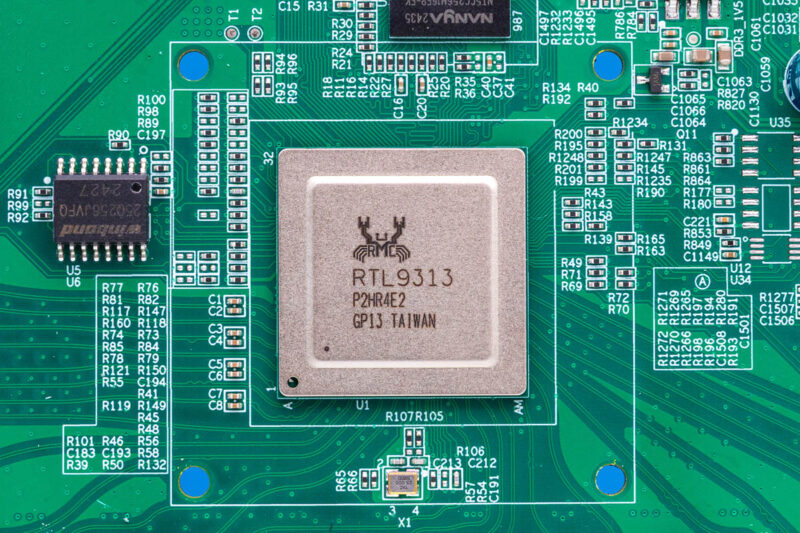
The main switch chip is a Realtek RTL9313, which we have seen in 12-port 10G switches before.
The 10Gbase-T side has another switch chip.
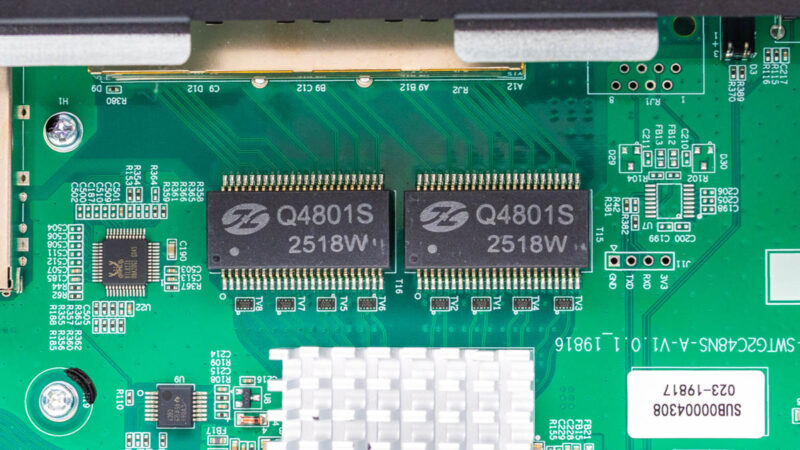
This one was stubborn enough that we did not take it off since it was affixed and we did not want to break it as we wanted to keep the switch for later testing. Readers have suggested it is the Realtek RTL8264B PHY.
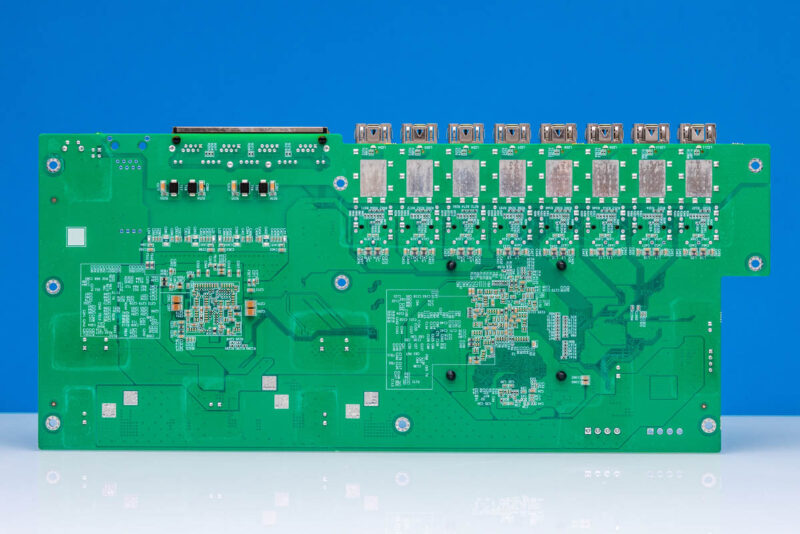
Here is te back of the switch PCB.
Next, let us get to the management interface.

Is it possible to put the management interface into a vlan or is it only reachable from pvid 1?
Is this model being distributed for sale yet? The amazon link goes to a Sodola 6 port switch, 4x10GT + 2xSFT+.
Sadly, when searching for this model, I can not find it anywhere,
Seems to be taking ages for cheap 10G ethernet only 10+ ports switches to appear, how hard can it be to revise a current switch model with the new RTL chips?
Jay, the Amazon listing was live when this article went up. So it was being distributed – though how much inventory, we couldn’t say.
I happened to see this switch before the review went up and the video dropped. When I search for the model directly it says “Currently Unavailable” so maybe it’s just low inventory
I reached out to Sodola via the support e-mail on their website. They said we sold Amazon US stock out. There is another shipment of these in transit, but the freight is something like two weeks. They also said they plan to have the same price when it goes back in stock.
We did not test them, but I added links to the Mokerlink and YuLinca versions of this switch at the end of this article.
Do not be tempted to buy direct from Sodola, their website often lists vaporware and they send you something different then refuse to refund you or even let you return it to China.
That’s actually how I ended up with one of these switches – I ordered a 16 port 10gbe switch and they sent me a 2.5gbe one, then I had to pay the difference to get this 4+8 and a few SFP+ modules.
Is there any chance there could be a change made to the site so that when an image is clicked it pops out a higher resolution version, instead of going to the gallery?
Any chance you can link to previous articles about SFP+ adapters that are compatible with this switch? (And or actually test some of them with this switch/future switches?)
This switch is intriguing to me, but not all my systems can do 10GbE. I’d like the capability to connect them at 5/2.5GbE rather than dropping all the way down to 1GbE.
I remember several of the SFP+ modules you previously reviewed support multi-GbE.
I just checked and the unit is now listed again for purchase with a back order date of week 1-2 in March. Bought one @ $229
this is not a new product, it has been around since at least october 2023 but sold under different brands, including MokerLink (PN 10G04810GSM) and goodtop (no idea what the PN on this is). during various aliexpress amazon promos, they went as low as $180, before the tariffs kicked in. i have the mokerlink and everything looks exactly the same, the PCB is identical to this.
The switch seems to be solid have one installed up and running. Yes the rampping fan needs improvement. But so far so good.